Veneer or Solid Wood? A 5-Year Cost Comparison for Singapore Homes and Garage Storage
Choosing furniture for a Singapore home often starts with a showroom finish, but the more useful question is what the piece will cost over 5 years. Veneer can deliver the visual character of timber on a controlled budget, while solid wood carries a higher material and labour cost but can be repaired differently as it ages. The answer changes when the furniture must fit a Tampines HDB flat, move through a condominium corridor, or become part of a practical garage storage system.
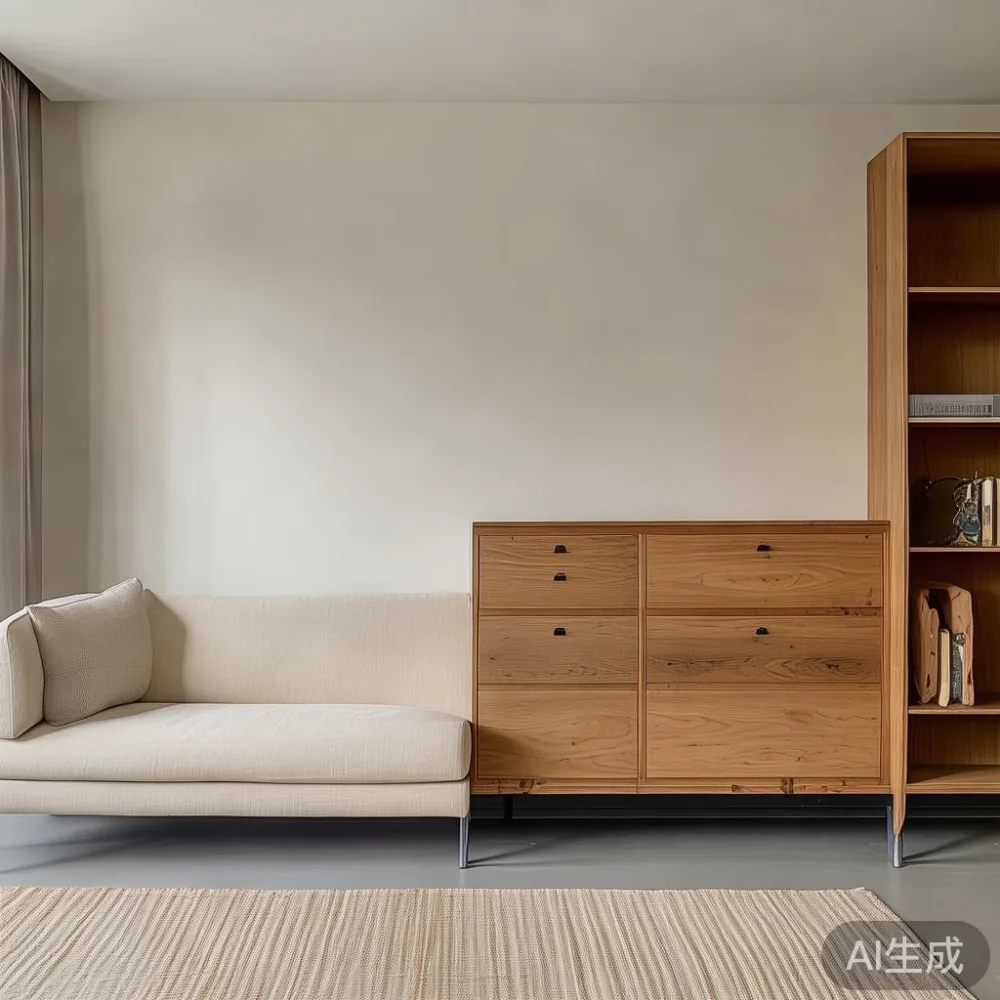
This comparison uses SGD prices, typical Singapore dimensions, and ownership patterns rather than generic overseas claims. It includes a dining table, bed frame, wardrobe, nightstand, sofa and a compact marble table, while keeping garage storage within the same material decision. GST is shown separately at 9% so that the figures remain easy to check against receipts.
What is the real difference between veneer and solid wood furniture?
Veneer is a thin layer of timber, usually about 0.6 mm to 2 mm, bonded to a particleboard, MDF or plywood core. A dining table might use 18 mm to 25 mm All told, with a veneered surface over a stable engineered core. Solid wood uses timber throughout the visible and structural sections, although a wardrobe carcass may combine solid drawer fronts with engineered internal panels. Neither description guarantees how a piece will perform; the panel design, joinery, finish and storage conditions matter.
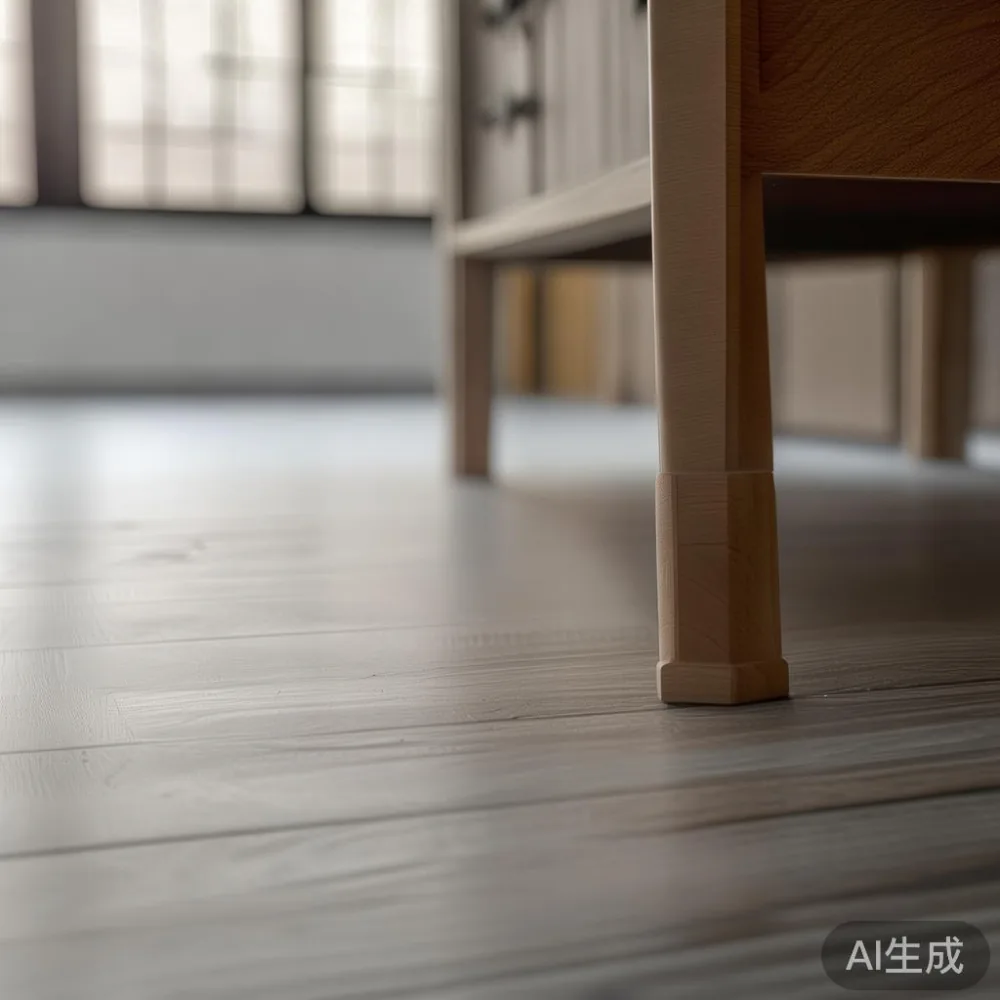
For Singapore, the price gap is meaningful. A veneered dining table in a restrained oak or walnut tone may cost SGD 1,180 before GST, while a comparable solid oak table may cost SGD 2,280 before GST. For a queen bed frame, veneer may be SGD 980, compared with SGD 1,680 for solid wood. A 120 cm wardrobe can range from SGD 1,260 to SGD 2,360, depending on construction and finish.
The long-term calculation should include purchase price, expected refinishing, repair exposure, delivery and disposal. A lower purchase price is not automatically a lower 5-year cost, especially if veneer edges are exposed to moisture or a moving family changes the room layout. Solid wood can also be unsuitable for a damp garage, so ventilation and correct material selection remain important.
How do the 5-year costs work for common furniture pieces?
The following example assumes a household buying one of each item for a 3-room or 4-room Singapore home. Prices are indicative planning figures in SGD before GST, with the final charge calculated at 9%. Delivery is estimated at 7 to 14 days inside Singapore, subject to stock and access.
A veneered dining table at SGD 1,180 may need one SGD 120 touch-up and one SGD 180 delivery charge. Over 5 years, the modelled cost is SGD 1,480 before GST, or SGD 1,613.20 after GST. A solid wood dining table at SGD 2,280 may require one SGD 220 finish renewal and delivery at SGD 180, producing SGD 2,480 before GST and SGD 2,703.20 after GST. The solid version costs SGD 1,090 more in this model.
A veneered queen bed frame at SGD 980 might require SGD 90 of minor repairs and SGD 150 delivery, for SGD 1,220 before GST and SGD 1,329.80 after GST. A solid wood frame at SGD 1,680 might receive one SGD 160 repair and SGD 150 delivery, for SGD 1,990 before GST and SGD 2,169.10 after GST. The difference is SGD 770 before GST.
A wardrobe is a larger commitment. A veneered 120 cm unit at SGD 1,260 with SGD 160 repairs and SGD 220 delivery totals SGD 1,640 before GST, or SGD 1,787.60 after GST. A solid wood wardrobe at SGD 2,360 with SGD 240 repairs and SGD 220 delivery totals SGD 2,820 before GST, or SGD 3,073.80 after GST. If the family changes rooms twice in 5 years, add an estimated SGD 250 move or reassembly cost to either option.
For a nightstand, veneer may cost SGD 240, plus SGD 40 repairs and SGD 60 delivery, giving SGD 340 before GST and SGD 370.60 after GST. Solid wood may cost SGD 460, plus SGD 70 repairs and SGD 60 delivery, giving SGD 590 before GST and SGD 643.10 after GST. A sofa can show a similar spread: a 210 cm three-seat veneered model at SGD 1,580 plus SGD 180 repairs and SGD 200 delivery totals SGD 1,960 before GST, while a solid wood frame with upholstered seating at SGD 2,880 plus SGD 260 repairs and SGD 200 delivery totals SGD 3,340 before GST.
A marble table is usually not classified as solid wood or veneer because its top is stone. A 100 cm marble coffee table with a timber or metal base might cost SGD 980 before GST, plus SGD 100 for sealing and SGD 160 delivery, for SGD 1,240 before GST and SGD 1,351.60 after GST. A heavier marble top may weigh 45 kg to 70 kg, so a lift with a 500 kg capacity and a 90 cm door opening should be checked before delivery.
Is American wardrobe worth it in a Singapore apartment?
The phrase “is American wardrobe worth it” is often used for large American-style wardrobes with deep hanging space, but scale can decide the answer in an HDB flat. A 180 cm American wardrobe may weigh 95 kg to 140 kg and require a 90 cm door width for delivery. In a Bedok or Tampines lift, the furniture must be turned through the corridor without scraping walls or blocking the fire door.
A 150 cm veneer model at SGD 1,680 before GST may suit a bedroom with 260 cm of usable wall length. A solid wood version at SGD 2,680 may be justified where the household wants drawer movement, stronger rails and a finish that can be renewed. The 5-year difference is not just the invoice; it includes whether the wardrobe is moved once or twice.
For an apartment owner comparing European light luxury sofa vs French provincial sofa, the material decision can be modest because upholstery and silhouette carry much of the visual identity. A European light luxury sofa may use a veneer base with high-density foam, while a French provincial sofa may use solid wood framing or a mixed structure. Ask for the frame specification rather than judging by the sample finish.
In a condo, delivery staging is often more expensive. A 22nd-floor Punggol unit may attract a SGD 120 service charge, while a ground-floor Tampines unit may attract SGD 40. Confirm the building’s booking window, lift dimensions and maximum protection board size at least 7 days before delivery.
Which option suits a lift, corridor and compact garage?
Veneer can be practical in narrow urban interiors because engineered panels are lighter and more stable than large solid sections. A 180 cm by 80 cm garage storage cabinet may weigh 35 kg to 55 kg in veneer construction, compared with 65 kg to 95 kg in solid wood. That difference matters when the cabinet must be carried from the service corridor to the parking bay or moved by 2 people.
Solid wood is not automatically wrong for garage storage. A cabinet made from kiln-dried solid wood, finished on all faces and fitted with sealed joints, can work in a covered garage. It should stand at least 10 cm above a wet floor, with a ventilation gap of at least 5 cm on two sides. A Singapore garage can reach 34°C and develop condensation during a rainstorm, so untreated solid wood should not be placed directly against concrete.
Veneer needs edge protection. A garage storage cabinet with plywood or sealed MDF edges may cost SGD 680 before GST and weigh 48 kg. A comparable solid wood cabinet may cost SGD 1,080 and weigh 78 kg. Over 5 years, add an assumed SGD 80 repair allowance for veneer and SGD 120 for solid wood; the modelled totals are SGD 1,548 and SGD 1,632 after GST respectively. If the cabinet is exposed to moisture, solid wood may need more refinishing, changing the result.
Measure before ordering. A 90 cm corridor can limit a cabinet to 84 cm wide, while a 100 cm lift door may allow a 95 cm diagonal. Leave 5 cm clearance on each side of a garage storage unit. Delivery should be recorded in days, not vague promises: standard Singapore delivery is usually 7 to 14 days, while made-to-order pieces may take 30 to 45 days.
How much should you budget for finishes, GST and repairs?
Budget for more than the sticker price. A veneer dining table may receive a 5-year care allowance of SGD 100 to SGD 180, while solid wood may be allocated SGD 160 to SGD 260 for sanding and refinishing. These are planning ranges, not quotations. A 5-year plan can divide the allowance by 5: SGD 20 to SGD 52 per year for veneer, and SGD 32 to SGD 52 per year for solid wood.
Use a formula: purchase price + delivery + repair allowance + percentage of furniture value reserved for future refinishing. For example, a SGD 1,260 wardrobe with SGD 220 delivery and a 5-year veneer allowance of SGD 400 totals SGD 1,880 before GST. At 9% GST, the cash requirement is SGD 2,049.20. This makes the comparison visible without pretending that every household will incur identical costs.
Solid wood often rewards careful ownership. Small scratches can sometimes be buffered and stained, while a chipped veneer edge may expose the core. Veneer often rewards stable humidity. Keep furniture between 5 cm and 8 cm away from an air-conditioning vent, wipe spills within 10 minutes and use coasters with a 10 cm diameter. A marble table needs a different routine: use a neutral cleaner and avoid acidic liquids for at least 30 minutes after wiping.
Light-luxury positioning should not hide the practical specification. French light luxury often uses pale oak, walnut tones, curved profiles and restrained hardware. American light luxury tends to favour generous proportions, clean upholstery and practical storage. Post-modern light luxury may combine a solid wood sofa frame with selected veneer panels and a marble table. The finish can be luxurious while the underlying material remains sensibly chosen.
What did I see when I tested both materials?
Last month I visited a supplier’s showroom in Foshan and tested a veneer dining table beside a solid wood version. The veneer table weighed 32 kg, while the solid wood table weighed 51 kg. I dragged a coin across both surfaces, leaving a light mark on each. The solid table could be repaired with a small sanding and wax treatment; the veneer mark required a colour touch-up kit because the thin face layer had been disturbed.
My colleague then reviewed a 120 cm wardrobe with a moving truck simulation. The veneer unit had a particleboard back panel that stayed aligned after 3 cycles, but its front edge needed protection. The solid wood unit weighed 76 kg and felt stable, although its 2 cm rails needed a second-person lift. The practical lesson was simple: the better material is the one matched to the location, handling frequency and maintenance habit.
For a bedroom, the best French provincial wardrobe for 2026 should still be checked for drawer rails, corner joints and clear measurements. A design trend does not reduce the need for a 14-day return window or a written warranty. MIDHILL offers a 10-year structural warranty and lifetime refinishing, which can be considered alongside local repair estimates rather than used as a substitute for them.
How do you choose for a real 5-year plan?
Choose veneer when the piece will remain indoors, the household values a controlled initial price and the furniture can be moved without rough handling. Choose solid wood when the piece is a long-term focal point, the owner accepts a higher starting cost and refinishing is part of the intended care. For garage storage, prioritise sealed construction, raised placement and weight that your lift and corridor can handle.
For a Punggol or Tampines family, a staged approach can work. Buy a veneer bed frame first, then a solid wood dining table if the household expects to keep it for many years. A wardrobe should be measured against the room’s usable wall length, not the room’s nominal floor plan. A nightstand should be light enough to move for cleaning, while a sofa should fit through the lift with its protective packaging removed or folded where possible.
Search terms such as top 10 Minimalist furniture, how to style American bed in apartment and Nordic for guest room can help define the visual direction, but they should not replace material checks. Ask for the panel thickness, timber species, finish type, weight, delivery route and repair policy. If a supplier cannot answer within 3 working days, keep comparing.
For a practical starting point, reserve 10% of the furniture budget for delivery and care. In Singapore, that means about SGD 100 on a SGD 1,000 piece and SGD 300 on a SGD 3,000 piece. Confirm whether GST is included, and keep the receipt for the full 5 years of ownership notes.
MIDHILL’s export experience across 15+ countries can inform packaging and hardware selection, while Singapore access rules still need to be confirmed for each address. Free shipping over US$350 applies to qualifying international orders, not to every local SGD transaction. Local delivery, lift booking and return collection should be priced separately.
After 5 years, veneer may show edge wear, colour fading or core exposure, while solid wood may show scratches, movement or a finish that needs renewal. Both can remain useful if maintained. The lower-cost route is not simply the one with the smaller invoice; it is the route that matches the room, the handling conditions and the amount of care the family will actually provide.