How to Care for Lacquered Wood Furniture in a Humid Tropical Home
A lacquered wooden surface can look beautifully precise in a Singapore home, reflecting soft daylight across a hallway or adding a clean note to an HDB living room. Yet tropical humidity, heat, airborne salt, and repeated hand contact can leave a lacquer finish dull, hazy, or marked if it receives the wrong care. The good news is that a sound lacquer can remain attractive for years when it is cleaned gently, protected from standing water, and checked every few months.
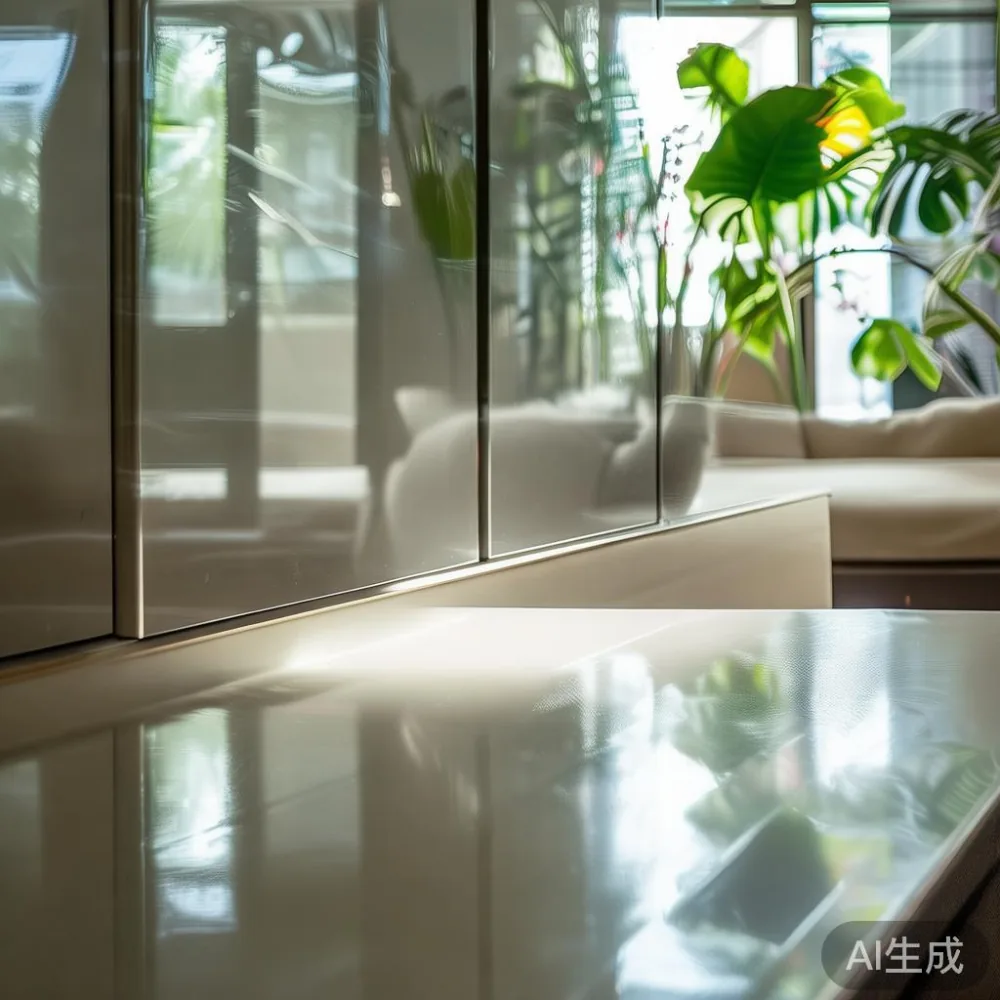
This guide applies to lacquered components used in garage storage as well as lacquered solid wood furniture such as a solid wood sofa frame, bed frame, dining table, wardrobe, nightstand, or marble table with a lacquered base. Since MIDHILL makes solid wood furniture and has served customers since 2008, the advice below focuses on practical care that suits Singapore apartments, from Tampines and Bedok HDB flats to Punggol condos with compact corridors and frequently used lifts.
Why does lacquer react differently in Singapore’s humid climate?
Singapore’s climate keeps timber surfaces under repeated humidity changes. Outdoor relative humidity commonly ranges from roughly 65% to 90%, while an air-conditioned flat may sit near 45% to 60%. A lacquered door exposed to a corridor can swell slightly during humid periods and contract when cool air arrives from the lift lobby. Movement in the timber can eventually create fine stress marks, even when the coating itself is well made.
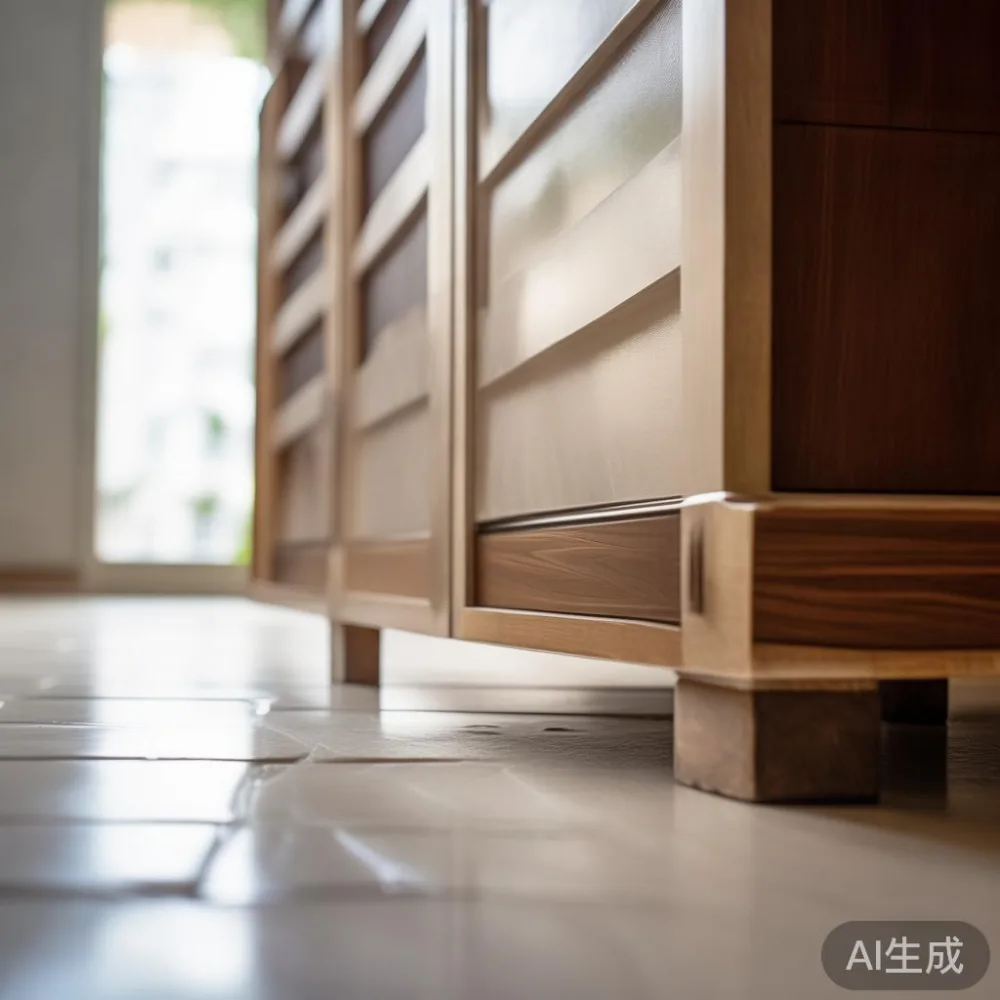
Heat accelerates chemical and physical wear. A cabinet standing near a sunlit window may reach 38°C to 42°C at its surface, compared with about 24°C to 27°C in the room. Lacquer softens under sustained heat, so luggage, boxes, and tools should not remain pressed against it. Salt carried on damp hands also matters: one salty fingerprint can become a visible haze after repeated handling.
Garage storage deserves particular attention because Singapore’s garage and bin-chute areas may be poorly ventilated and hotter than a dwelling. A lacquered storage cabinet should stand at least 10 cm away from a rear wall, 15 cm from a side wall, and 20 cm above a concrete floor. This gap allows air to move and makes inspection easier. Keep the unit away from direct sunlight, vehicle exhaust, wet umbrellas, and leaking pipes.
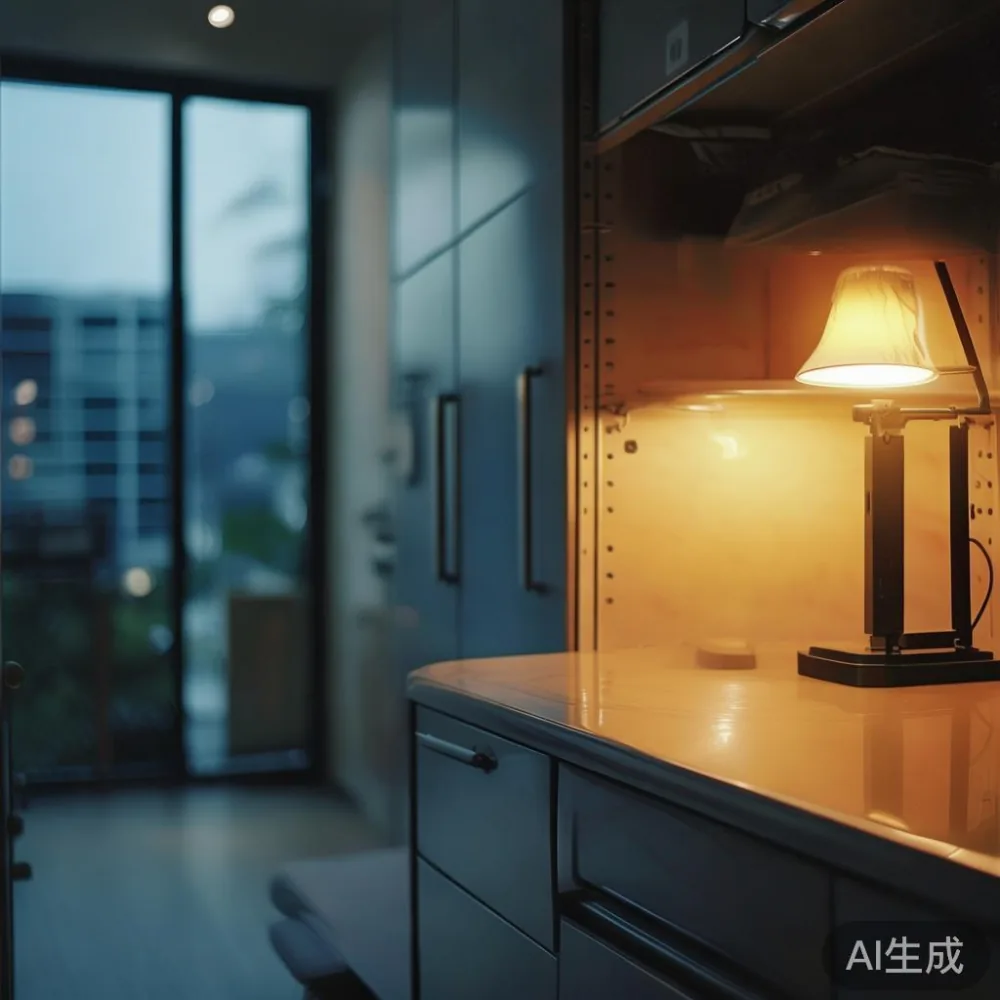
Air movement inside the home is equally useful. In a compact HDB flat, close the windows and run the air conditioner when the outside air is very humid. During drier periods, ventilate for 10 to 15 minutes to clear cooking vapour and dampness. A hygrometer placed in the living area can help; readings around 45% to 60% relative humidity are comfortable for most indoor wood furniture. A reading above 65% calls for more ventilation or dehumidification, not a stronger cleaning product.
What household products are safe for a lacquered finish?
Use a soft, lint-free microfibre cloth, a clean artist’s brush with 15 mm to 25 mm bristles, and a small bowl of lukewarm water. The cloth should be damp, not dripping. Wring or squeeze it until only a few drops remain, then test the product on a 5 cm by 5 cm concealed area. Wait 24 hours and inspect for dullness, colour change, or a tacky feeling.
For ordinary dust, wipe with the lightly damp cloth and dry immediately with a second cloth. For fingerprints, a few drops of mild dishwashing detergent in 500 ml of water can help, provided the finish has already passed the patch test. Avoid soaking the edge or allowing liquid to enter joints. Clean only 20 cm to 30 cm at a time on a large panel, because a uniformly damp section is easier to dry than a broad wet area.
Never use acetone, paint thinner, nail-polish remover, alcohol, kerosene, or household bleach. Although some appear effective on marks, they can dissolve or strip lacquer within minutes. Abrasive pads, wire wool, and scouring powders scratch the surface at a microscopic level, making it look cloudy. Avoid silicone-based furniture sprays as well; they leave a waxy film that can be difficult to remove.
For lacquered garage storage, use a pH-neutral cleaner approved by the coating manufacturer. If the original documentation is unavailable, keep the product label and seek written guidance before applying anything. Do not mix cleaners. Even when a product smells pleasant, an unlabelled mixture makes it harder to identify the cause of a mark later.
How should lacquered solid wood furniture be cleaned without damaging it?
Begin by removing loose dust with a dry microfibre cloth. Vacuum upholstered or delicate areas with a brush attachment held 3 cm away, rather than pressing the nozzle against a lacquered edge. Next, use the damp-cloth method described above. Follow the grain and avoid circular scrubbing, which can create a visibly uneven sheen.
Drying is part of the cleaning process. Buff the surface with a clean, dry cloth for 30 to 60 seconds. If condensation forms, continue drying with the cloth rather than using a fan aimed directly at the wood. In a lift lobby or corridor, move the item only after the finish is completely dry; carrying a damp cabinet leaves water lines on both the lacquer and the wall.
Be careful with everyday placement. Coasters should measure at least 8 cm across and sit under cups, while felt pads under decorative objects can reduce scratches. Trivets should fully cover hot pans and stand 5 cm above the lacquered top. Coasters can also protect a lacquered marble table, although the table itself still requires stable support and careful lifting.
For a solid wood sofa or bed frame, vacuum cushions and crevices before wiping exposed lacquer. Do not press labels or temporary price stickers directly onto the finish. Remove adhesive residue within 24 hours using a method approved for that particular lacquer; soaking or rubbing aggressively can cause a pale patch.
When repositioning furniture, use two people for pieces over 25 kg. Lift from the base rather than the top rail, and place furniture away from the corridor wall. A bed frame can be difficult to turn through a 90 cm HDB corridor, so measure the frame, doorways, stairwells, and lift car before moving it. Many newer lift cars offer a clear width of about 80 cm to 100 cm, but older blocks and service corridors may be narrower.
How often should a lacquered finish be inspected and refreshed?
Inspect visible lacquer every 3 months in humid weather and every 6 months during drier months. Look along edges, handles, exposed end grain, and places where objects rub. A good time is after a rainy afternoon, when fingerprints and damp marks are easier to notice. Use a bright light at an angle; fine scratches become visible when light crosses the surface.
Minor marks may sometimes be treated with a lacquer-safe repair product. Read the instructions carefully and confirm compatibility with the finish type: water-based, solvent-based, polyurethane, and conversion varnish are not interchangeable. Test first on a hidden 5 cm square. If the instructions call for a 24-hour cure, allow the full period before placing objects on the repaired area.
Do not attempt to polish a lacquered panel with conventional furniture wax. Wax may create a temporary shine but can trap moisture and collect dust. If the finish becomes broadly dull, contact the original supplier or a qualified refinisher. MIDHILL offers lifetime refinishing on eligible orders, and a 10-year structural warranty provides a separate layer of reassurance for the underlying solid wood construction. Customers should retain their order records and photographs because finish-related questions are easier to assess when the coating history is known.
For new furniture, allow it to acclimate before treating it aggressively. Remove packaging only after the item has rested in the room for 4 to 6 hours. Keep the product at least 30 cm from an air-conditioning vent, and avoid direct afternoon sun. In a condo, balcony doors can create a sharp humidity boundary, so lacquered pieces should remain inside rather than sit permanently against an exposed glass wall.
Can I stop humidity from ruining garage storage?
Garage storage should be planned as an environment for the contents, not simply as an extra room for boxes. The ideal internal temperature is about 20°C to 30°C, with relative humidity below 65%. Measure the space rather than relying on a general impression. A simple hygrometer placed at cabinet height provides a more useful reading than one attached to a cool wall.
Use sealed containers for papers, fabrics, and electrical parts. Choose polypropylene or polyethylene bins with close-fitting lids, and label each container with a number, such as 01 for tools and 02 for seasonal items. Metal shelving should have a load rating of at least 1.5 times the intended weight. A cabinet holding 60 kg of paint, for instance, should be rated for 90 kg or more.
Do not store water-based paint, solvents, or corrosive chemicals in an ordinary wooden garage storage cabinet unless it has been specifically designed and ventilated for that purpose. Keep chemicals in their original containers and in a separate area away from children and pets. For ordinary garage storage, sort items into clearly marked zones and avoid placing damp sports equipment against lacquered panels.
Inspect for leaks twice each year, particularly before the November-to-January monsoon period and after heavy rain. A roof leak can be difficult to see when water enters through a joint. Check beneath the top panel, around wall edges, and beneath shelves. If a garage smells musty or a hygrometer reads above 75% for several days, improve drainage or use a rated dehumidifier rather than waiting for mould to appear.
Keep garage storage at least 60 cm from a vehicle exhaust outlet. If ventilation is limited, a cabinet with closed doors will protect the contents from dust, but it will not remove trapped humidity. Leave the front slightly open only when the surrounding air is drier than the cabinet interior, a practice known as selective ventilation.
What should I do when a lacquered surface gets scratched, stained, or sticky?
First identify the mark. A water ring requires gentle drying rather than scrubbing. A greasy fingerprint can be treated with the diluted detergent method, while a deep scratch or peeled edge needs professional assessment. Sticky lacquer may indicate heat damage, a chemical exposure, or an incompatible coating product; adding more oil or wax can conceal the symptom without repairing the cause.
For a fresh water mark, place a clean, dry cloth over the area and warm it gently with a hairdryer held at least 30 cm away for 20 to 30 seconds. Move the dryer continuously to avoid concentrating heat in one spot. Test this technique only if the finish is sound and the manufacturer permits gentle heat. A burn mark, blister, or lifting edge should not be heated.
For a fresh spill, lift solid objects away and blot from the outer edge toward the centre. Do not flood the surface. If the lacquer feels sticky after cleaning, stop and call the supplier. Repeated wiping can spread the contaminant and abrade the coating.
Doors and drawers need slight seasonal adjustment as timber moves. A rubbing mark near a lock may appear after a dry spell, while a tight drawer can indicate swelling during humid weather. Test the fit with a paper slip: if it cannot slide through, do not force it. Loosen the hinge or fitting gradually by 1 mm to 2 mm where possible.
When arranging an open plan home, use lacquered furniture as a deliberate light-luxury element rather than treating every surface as a showcase. A French light luxury palette, with pale woods, restrained curves, and soft metallic details, works well in a bright Tampines flat. An Italian light luxury TV console can provide a clean focal point in a living room, provided it stands away from direct sun and has enough ventilation behind its doors.
Modern European light luxury furniture often combines clean lines with warm materials, while American light luxury tends toward generous proportions and visible timber grain. Whichever direction suits the space, the care rules remain the same. Listings that appear in top 10 French furniture guides or use terms such as French bed vs French provincial bed should still be judged by finish quality, hardware, dimensions, and after-sales support rather than style labels alone.
How do I move lacquered furniture through a lift or corridor safely?
Measure the route before ordering or moving a large item. Record the corridor width, lift door opening, lift car dimensions, turning space, and stair width. For HDB blocks, include the distance from the flat door to the lift. A cabinet that fits a 90 cm lift door but turns poorly inside a 110 cm by 140 cm car may still be impossible to move without disassembly.
Protect the lacquer during the move. Wrap finished panels individually in soft blankets or foam, with cardboard separators between pieces. Secure doors and drawers with soft straps, never adhesive tape directly on the finish. Use a furniture dolly rated above the item’s weight, and have at least 2 people control a piece over 40 kg. Plan for a delivery window of 2 to 4 hours when lift booking or parking restrictions apply.
Keep the finished item upright when the design permits, and never lift a wardrobe or bed frame by its decorative trim. For installation, check that the floor is level to within 3 mm over 1 metre. This helps doors open smoothly and reduces stress on lacquered joints. Follow the supplier’s anchoring guidance, particularly for tall wardrobes and storage cabinets in busier family areas.
Before accepting delivery in the lift lobby, inspect the lacquer under neutral light. Photograph any existing marks before the packaging is removed. If something is damaged, record it on the delivery document and notify the supplier promptly. Keep packaging for 14 days if a return may be necessary.
What is the best routine for long-term care in Singapore?
A reliable routine is simple: dust every 1 to 2 weeks, wipe the clean areas every 2 to 3 months, inspect edges every 3 to 6 months, and act quickly on spills. In an open garage, check condensation and leaks monthly. Use a hygrometer, maintain 45% to 60% relative humidity indoors, and keep direct sunlight off lacquered panels for most of the day.
Budget for occasional professional care rather than trying to polish the entire home twice a year. A single lacquered dining table may need close attention every 6 months, while a lacquered nightstand can be inspected with the rest of the bedroom furniture. A wardrobe may require a hinge and runner check every 12 months, more often if it stands near a balcony or frequently used corridor.
For residents comparing products, guidance on how to choose light luxury bed should include clear dimensions, a stable frame, good ventilation, and realistic after-sales terms. The same applies to how to choose European light luxury bed, since the visual style cannot compensate for weak joints or unsuitable clearance. Check that the bed frame fits the lift route and leaves at least 60 cm around the main access side where space permits.
MIDHILL was established in 2008 and exports to more than 15 countries, with practical support that includes a 10-year structural warranty, lifetime refinishing, free shipping above US$350, and a 14-day return window. Local prices are normally stated in SGD, with GST shown where required. The company name Wuhan Lingzhan is relevant when checking manufacturer or supplier records for suitable garage storage, but buyers should still inspect the actual finish, fittings, and delivered dimensions rather than relying on a name alone.
Singapore’s humidity does not require lacquered furniture to live in a sealed display room. It requires steady habits: controlled moisture, mild cleaning, careful placement, prompt spill response, and periodic inspection. Treat lacquer as a protective skin over living timber, not as an indestructible coating. With those habits, a solid wood sofa, dining table, bed frame, wardrobe, nightstand, marble table, and well-made garage storage can retain its clean character through years of tropical use.