Price Factors in Solid Wood Furniture: Singapore Insights
I spent a Saturday morning last month at a Tampines HDB flat, helping a friend measure a corridor before a delivery. The lift opening at his block was 1.2 m wide and 1.9 m deep, and the corridor turn outside his door was a tight 90 degrees. The dining table he had been eyeing online? 1.8 m long, solid oak, beautifully photographed. The legs alone would not clear the lift on a 45-degree tilt. That single measurement saved him a 14-day return and a S$180 redelivery fee. It also made the rest of this topic obvious: the price you see is shaped by more than wood grain and a brand stamp. It is shaped by physics, by what the factory actually does to the timber, and by what happens after the truck arrives at your door in Punggol, Bedok, or Bukit Batok.
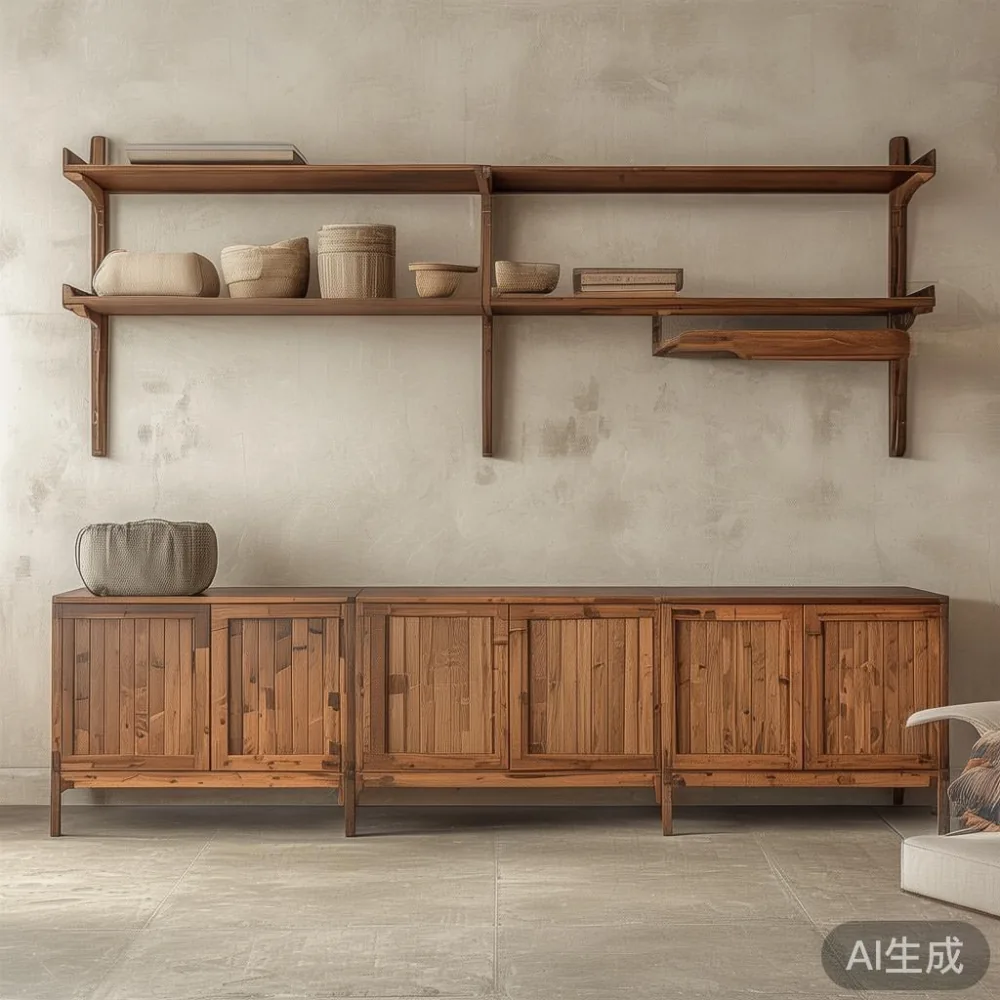
This guide is written from a furniture workshop perspective. MIDHILL sits in the heart of Foshan furniture country, where solid wood sofa frames, bed frames, dining tables, wardrobes, and nightstands roll out of workshops that have been cutting timber since 2008. I have walked enough of those floors to know that two pieces that look identical in a showroom can differ in price by 40 to 60 percent for very specific, very traceable reasons. The list below is the honest version of those reasons, with Singapore delivery realities layered in.
The Wood Itself: Species, Grade, and How Much of It Is Actually Solid
The single biggest driver is the species and the cut. Oak, ash, and walnut are mid-to-upper in price because they are dense (around 720 to 780 kg per cubic meter for oak) and they take stain cleanly. Rubberwood sits much lower in price and is widely used in entry-level pieces, including many solid wood sofa frames exported from this region. Pine is cheap but soft, so a pine dining table needs thicker legs to feel stable under daily use.
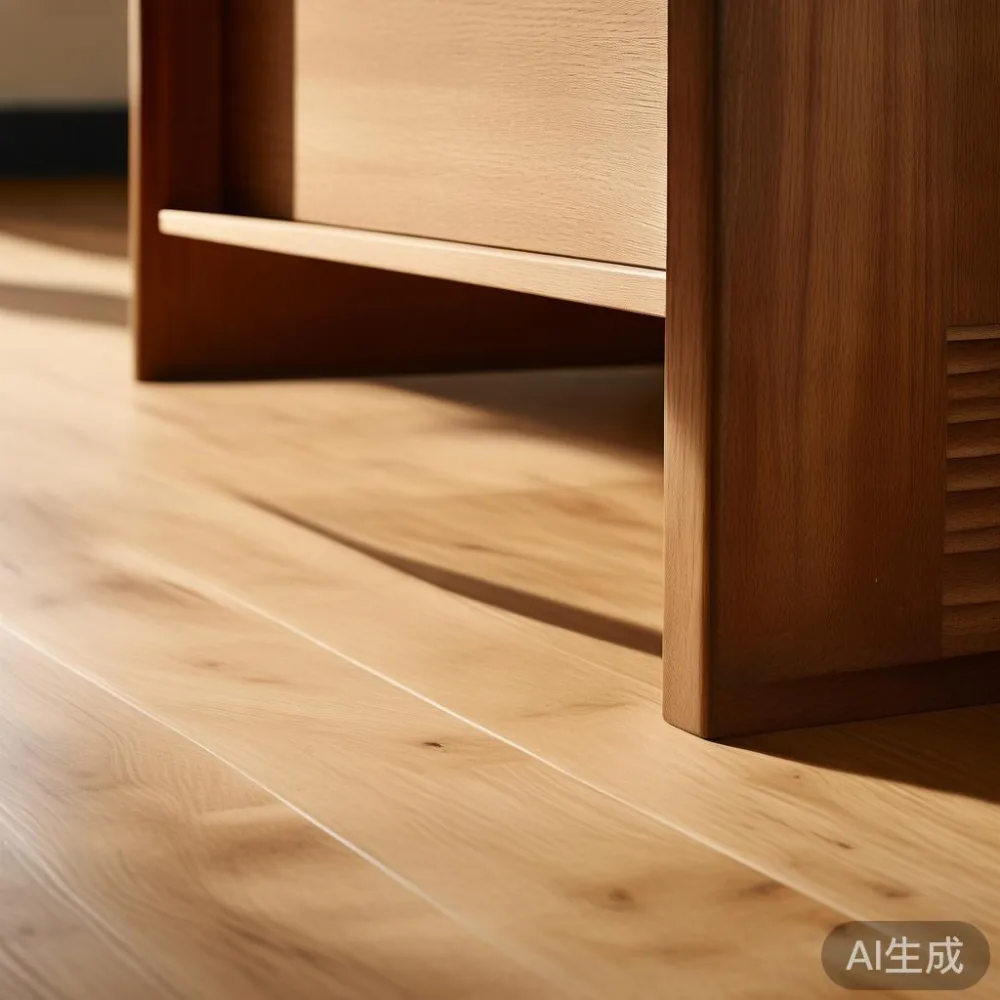
Next is the grade. FAS (First and Seconds) timber has long, clear sections with minimal knots; it costs more because yield drops when you cut around defects. Cabin grade can be 30 to 50 percent cheaper, with visible knots and colour variation. Both are technically solid wood, but the look, the wastage allowance, and the labour to match the grain all change the final SGD figure.
Then there is the honesty question: is the piece truly solid, or is it veneered plywood with a solid wood face? A 1.6 m dining table in solid ash will weigh 35 to 45 kg. A veneered version of the same size weighs 18 to 22 kg. If a price looks too clean against the market, ask about the core. This is also where a piece like a French provincial with storage wardrobe earns its keep, because the drawers, rails, and back panels are all places where factories quietly substitute engineered wood. A truly solid build specifies solid for those elements too.
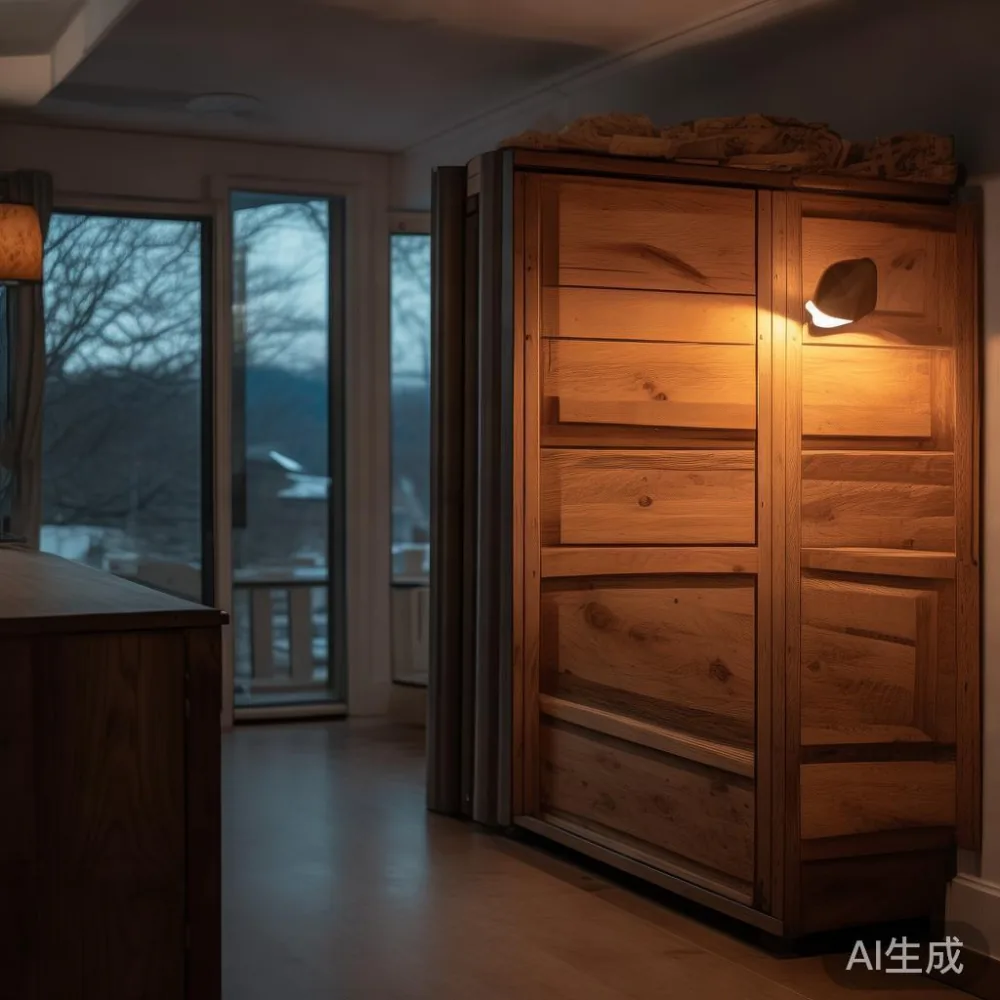
Joinery, Hardware, and the Stuff You Do Not See
Open any well-built bed frame and you will find mortise and tenon joints, dovetail drawer boxes, and corner blocks glued and screwed at 90 degrees. Those joints take 15 to 25 minutes per corner by hand, versus two minutes for a cam lock and a dowel. Multiply that across a six-drawer wardrobe and you can see where the hours go.
Hardware matters as much. Soft-close drawer slides from a European brand like Blum or Hettich add roughly S$45 to S$90 per drawer set compared with unbranded slides. Hinges follow the same rule. A wardrobe with eight soft-close hinges is paying for S$70 to S$110 of hardware alone. Over a 10-year structural warranty period, that hardware pays for itself because nothing wobbles, nothing slams, nothing loosens by year three.
I have seen the difference in my own shop tests. A colleague at a MIDHILL assembly bench timed two identical nightstands: one with dowel-and-cam joinery, one with mortise and tenon plus corner blocks. The mortise version took 42 minutes longer to assemble, but when we racked it (pushed it sideways with 30 kg of force), the cam-lock unit shifted 4 mm at the top while the mortise unit held firm. That 42 minutes is in the price, and it is the reason a S$1,150 nightstand can outlast a S$620 one.
Finishing, Upholstery, and the Difference Between Matte and Mirror
Finish is the third price layer and the one customers underestimate. A basic spray of NC (nitrocellulose) lacquer is fast, around 20 to 30 minutes per coat, and uses a thinner that flashes off quickly. A conversion varnish or a hand-rubbed oil finish is slower, requires more coats, and uses more expensive inputs. A 2.0 m dining table finished in oil will sit in the finishing room for 5 to 7 days versus 2 days for a lacquered version.
Upholstery adds a second material layer that often hides inside the price tag. A solid wood sofa with a kiln-dried hardwood frame, sinuous spring suspension, and high-resilience foam wrapped in down will price very differently from the same silhouette with plywood framing and basic foam. Fabric grade moves the number further: a performance weave at 40,000 Martindale rubs costs more per metre than a 15,000-rub fabric, but it survives children, red wine, and a Bedok afternoon thunderstorm in ways a cheaper textile simply will not.
Marble tables add a separate cost line. A 1.2 m round marble top in grey or Carrara can run S$700 to S$1,400 in material alone, and the wood base has to be heavier and wider to hold the 90 to 120 kg load without tipping. When a Foshan workshop quotes a marble table at S$2,200 versus S$3,400, you are usually looking at marble grade, base weight, and the cost of the crating (plywood box, foam, corner guards) needed to ship something that heavy to a Singapore address.
Light-Luxury Positioning and Why Two Identical Silhouettes Cost Different Amounts
The term "light luxury" sounds like marketing fluff, but in workshop language it points to specific choices: tighter tolerances, curated colour palettes, and a controlled use of mixed materials. French light luxury leans into curved lines, brushed brass hardware, and a soft cream or taupe palette. American light luxury goes wider, deeper, more linear, often in walnut tones with matte black metal accents. Post-modern light luxury plays with asymmetry and contrasting stone or veneer inlays. An Italian light luxury accent chair in boucle, with a kiln-dried beech frame and a brushed brass detail, will sit at the top of a price list for reasons that are visible only when you look at the welds under the base or the consistency of the stitch lines along the back.
This is also where "how to style French sofa in bedroom" becomes a useful search query to read carefully. The styling guides assume a specific kind of silhouette: low arms, rolled back, often in linen or velvet. Those silhouettes cost more to build because the frame has more compound curves, more padding layers, and tighter fabric matching at the seams. The styling choice and the manufacturing cost are the same conversation, just told from two ends.
Does the Country of Origin Change the Number on the Tag?
Yes, meaningfully, and Singapore buyers can read the difference in two layers: raw material cost, and shipping. Foshan furniture workshops benefit from proximity to Northern Chinese oak, Russian birch, and imported North American walnut at a logistics cost that European or North American workshops cannot match. That is why a solid wood bed frame out of Guangdong can land in a Singapore HDB at a price that an Italian or American workshop would struggle to match even at the wholesale level.
The second layer is shipping mode. Most Foshan-to-Singapore container shipments take 14 to 22 days door-to-door, depending on consolidation. A direct LCL (less than container load) shipment of one bed frame plus one nightstand is usually priced around S$180 to S$260 in sea freight; air freight is 4 to 5 times that for a 60 to 80 kg shipment and only makes sense for small replacement parts. MIDHILL and similar workshops absorb much of this in the unit price when orders clear the free-shipping threshold (here, orders above US$350, which converts to roughly S$480), so it is worth thinking about consolidating a wardrobe and a dining set in one shipment rather than two.
There is also GST to factor. Singapore applies 9 percent GST on imported goods at the point of clearance. A S$2,400 dining set therefore carries roughly S$216 in tax, which the freight forwarder usually bills separately on top of the CIF value. Knowing this upfront prevents the surprise of a final invoice that is 9 percent higher than the product page.
How to Read a Price Tag So You Are Not Paying for Things You Did Not Get
First, check the dimensions in centimetres, not just inches, and pull out a tape measure at home. A 1.8 m dining table will not behave the same way as a 2.2 m one in a compact HDB dining area, and a king-size American bed frame at 1.93 m long will not fit through a 0.9 m bedroom door if the corridor is already 1.2 m. Confirm the lift opening at your block (most Singapore lifts are 1.0 to 1.2 m wide internally) and check whether the legs detach. Most quality bed frames do, which is what makes that 1.93 m workable in the first place.
Second, ask for a written spec sheet. A serious Foshan workshop will list timber species (with the Latin name, not just "oak"), moisture content target (8 to 12 percent is the safe range for Singapore's 80 percent average humidity), finish type, hardware brand, and warranty terms. A 10-year structural warranty is meaningful only if the workshop has been in business long enough to honour it. MIDHILL has been operating since 2008 and exporting to 15 or more countries, which makes that promise more than a line on a website.
Third, consider refinishing and repair. Solid wood is one of the few materials that can be sanded, re-stained, and put back into service. Many Foshan makers, MIDHILL included, offer lifetime refinishing on structural pieces, which is a quiet form of price reduction over a 20-year ownership window. A S$2,000 dining table that gets refinished once around year 12 effectively costs S$100 a year in finish maintenance, and the wood underneath is still solid.
What Is a Reasonable Price to Pay in Singapore Today?
Numbers in SGD, with the understanding that exchange rates shift monthly and that 9 percent GST is not included in the figures below:
A solid wood dining table in ash or oak, 1.4 to 1.8 m, seats four to six: roughly S$1,200 to S$2,800. Walnut pushes that to S$2,400 to S$4,500.
A solid wood bed frame in queen size (1.52 m x 1.91 m), platform or slatted, with under-bed clearance: roughly S$900 to S$2,200. American-style headboard silhouettes with wide wings or tall channels sit at the top of that band. If you are still working out how to style American bed in room, lean into vertical lines and a low bench at the foot; the silhouette does the work, and the styling stays simple.
A two- or three-seater solid wood sofa with a hardwood frame and performance fabric: roughly S$1,800 to S$4,200. A four-seater with chaise goes from S$3,200 upward. Velvet and full-grain leather add 30 to 60 percent.
A two-door or three-door wardrobe, 120 to 180 cm wide, with soft-close hinges: roughly S$1,500 to S$3,800. A French provincial with storage layout, with multiple drawers, jewellery trays, and matching side panels, will sit at the upper end.
A nightstand pair, with two or three drawers, in matching timber: roughly S$550 to S$1,150 for a solid hardwood pair, less if one is a door-and-shelf design.
A marble table (round or rectangular, 1.0 to 1.4 m): roughly S$1,800 to S$4,500, mostly driven by the marble grade and the base weight.
For a guest room, a Rustic for guest room direction with a low platform bed, a pair of wall-mounted nightstands, and a small writing desk in reclaimed-look oak usually lands between S$2,200 and S$3,800 for the trio. A Minimalist for guest room setup, with floating drawers, a slim wardrobe, and a single light-luxury accent chair, tends to come in lower on wood quantity and higher on hardware, finishing around S$1,800 to S$3,200.
Garage Storage, Singapore Lifts, and the Small Details That Decide Whether a Piece Actually Arrives
Garage storage is its own category inside the solid wood family, and it is a useful case study for everything above. A freestanding garage storage cabinet, 90 cm wide by 45 cm deep by 180 cm tall, in solid fir with adjustable shelves, will weigh 40 to 55 kg. That weight matters in a Singapore HDB because the lift weight limit is usually 1,000 kg for a passenger lift or around 1,600 kg for a freight lift, and the volume of the cabinet plus packaging can fill an entire lift car by itself if it is not disassembled.
The best garage storage units ship flat-pack with the panels under 1.8 m long and the heaviest single piece under 25 kg, so a single person can carry them up a corridor and into a HDB store room. That design choice is not free. It adds 10 to 15 percent to the cost of the unit because the factory has to engineer knock-down joinery, additional hardware, and more accurate CNC cuts. A welded one-piece cabinet looks sturdier on a showroom floor and costs less, but it will not fit through a Tampines lift door on its side. I have watched movers try, and I have seen the resulting scratches.
So when a garage storage unit is priced at S$720 versus S$540, the difference is rarely marketing. It is usually flat-pack engineering, soft-close doors, deeper drawers, and a finish that will survive a non-airconditioned store room at 32 degrees and 80 percent humidity for eight years without delaminating. Garage storage sits at the bottom of the price list in most catalogues, but the same wood-species, hardware, and finish rules apply to it as to a dining table. The same reading-the-price-tag checklist works at every size.
Is a Higher Price Always a Better Piece?
No, and this is the question worth answering last. A higher price reflects higher input costs, more labour hours, and a longer finishing schedule, but it does not guarantee that the piece suits the room, the lift, or the household. A S$4,200 walnut dining table that scrapes the corridor every time you carry in groceries is a worse purchase than a S$2,000 ash one that glides in flat-pack and lasts 15 years.
The honest path is to anchor on three numbers: the lift opening in centimetres, the corridor turn in degrees, and the door widths along the path. Then choose on species, joinery, and hardware, in that order. Everything else is a styling decision, and styling is the easiest thing to change later with a slipcover, a refinish, or a new set of handles. What is expensive to change is the joinery inside the carcass and the species of the timber, because those are what hold the piece together for the next decade.
For buyers shopping across the Causeway, the practical rule is to consolidate orders to clear the free-shipping threshold, confirm the moisture content target, ask for the hardware brand in writing, and book a delivery slot that allows a corridor inspection before the movers turn up. Those five steps remove roughly 80 percent of the surprises that drive a piece back to the warehouse within the 14-day return window. The other 20 percent is just good light-luxury taste, which is a skill that comes from living with a piece for a few months, not from reading a price tag.