Lacquered Solid Wood Furniture in Singapore’s Humidity: A Care Guide from a Furniture Specialist
I still remember the day I walked into a 68 sqm HDB flat in Tampines with a client last March. She had bought a glossy lacquered dining table from an online seller two years earlier, and the surface was already cloudy with micro-bubbles along the grain. Her aircon ran at 23°C most days, yet the humidity reading on her hygrometer sat stubbornly at 78%. That visit taught me more about tropical lacquer care than any factory brochure ever could — and it is the reason I keep a small notebook of climate numbers every time I visit a Bedok walk-up or a Punggol condo corner unit.
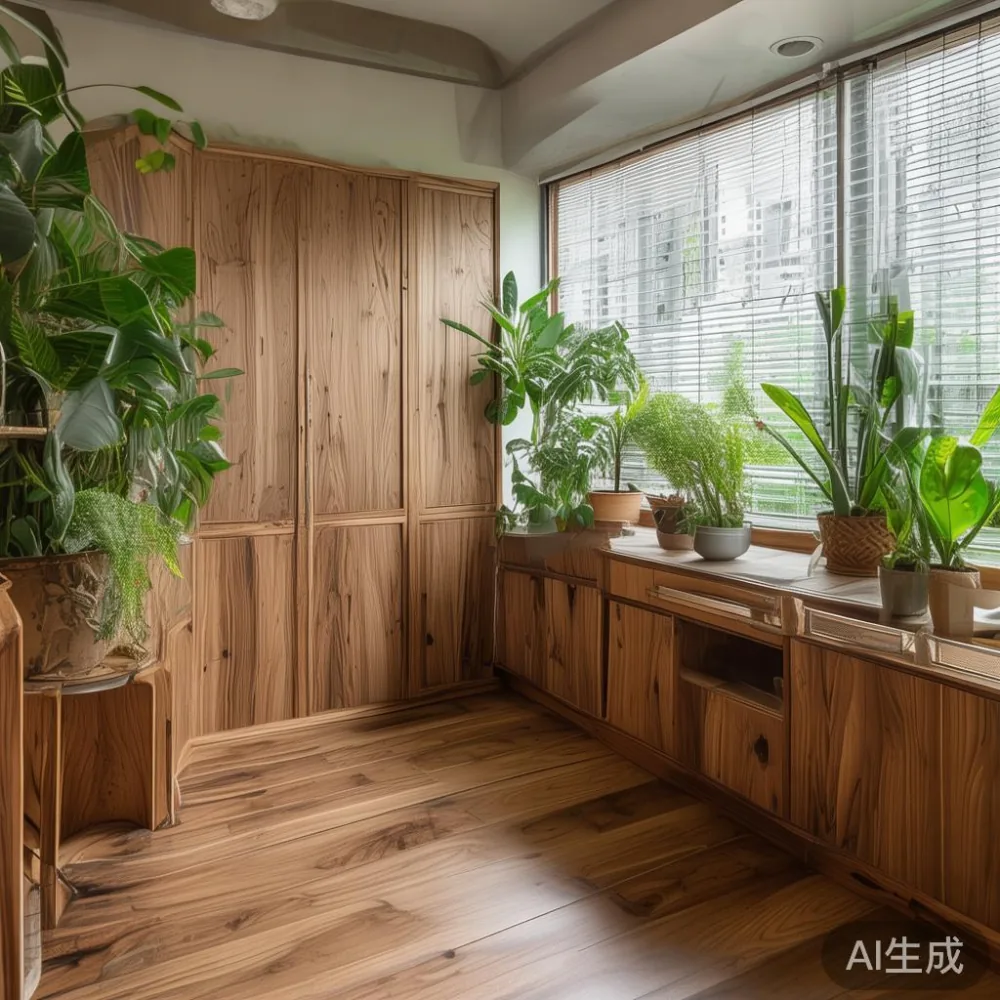
Lacquered surfaces behave differently in Singapore than they do in a Beijing showroom or a Copenhagen apartment. The constant 70–85% relative humidity, the 28–33°C afternoon highs, and the salt-laden air that drifts in from the east coast all conspire against a glossy finish. Add in the constraints of an HDB lift with internal dimensions of roughly 1.6 m wide × 2.1 m deep and corridor turns as tight as 1.2 m, and you begin to understand why the wrong piece of solid wood bedroom furniture arrives with a bruise before it even reaches your door. This guide is written for owners of solid wood sofas, bed frames, dining tables, wardrobes, and nightstands who want their finish to last the full 10-year structural warranty most makers now offer — and beyond.
Why does lacquer bubble, blush, or peel in a Singapore HDB?
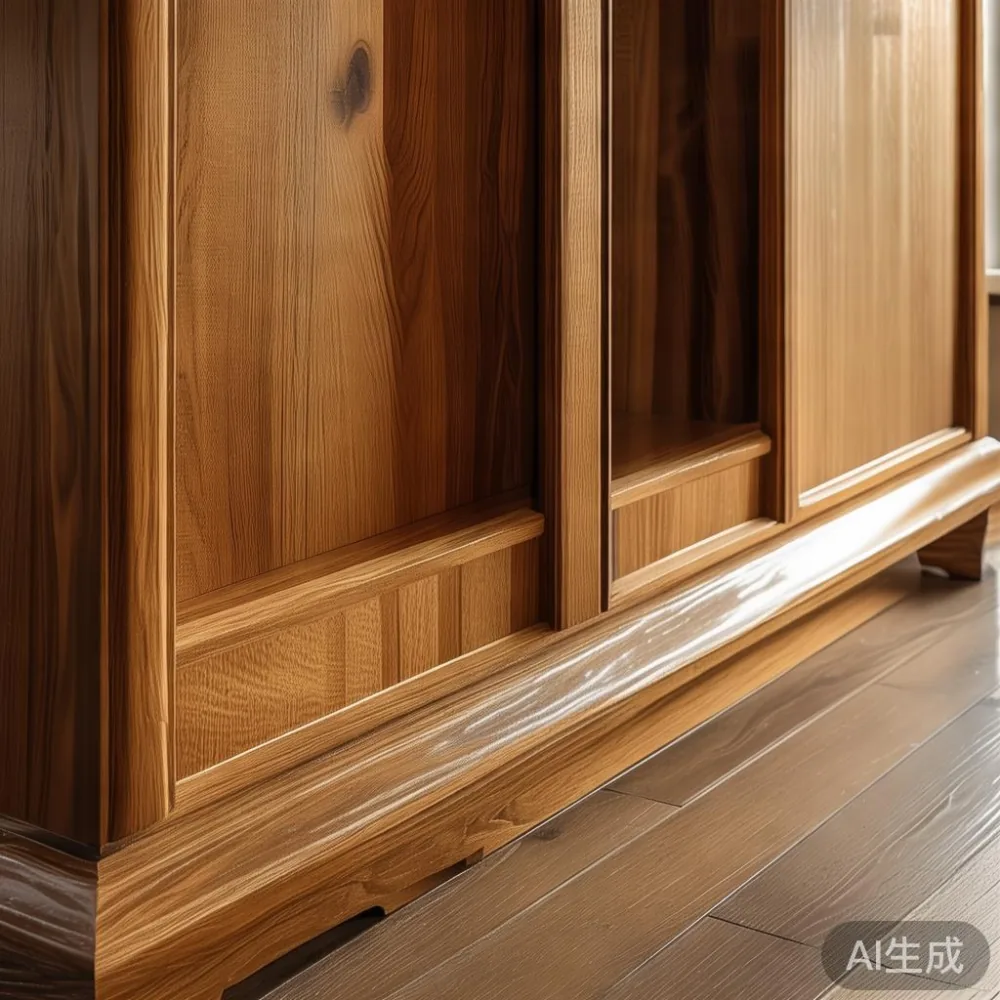
The short answer: lacquer is a film, and films react to moisture. In Singapore, the air carries roughly 18–22 g of water vapour per cubic metre even on a "dry" afternoon. A nitrocellulose or polyurethane lacquer film absorbs some of that moisture at its edges, swells microscopically, and then contracts when your aircon cycles on. Repeat that 200 times and the bond between film and wood fails. I have seen a 1.8 m lacquered dining table in a Bedok reservoir-road flat develop a 12 cm wide blush mark within fourteen months because the owner placed it 40 cm from a window that stayed open two hours each morning.
What humidity range is actually safe for a lacquered wardrobe or nightstand?
Aim for 45–60% relative humidity at room temperature, with the surface itself never swinging more than 8% in a 24-hour window. Below 40%, solid wood joints shrink and the lacquer can hairline-crack at corners. Above 65%, the risk of white blushing climbs sharply. A SGD 28 digital hygrometer from any Tampines Mall electronics shop is worth the spend; place it 1 m away from the piece, not directly under the aircon vent. For a 3-door lacquered wardrobe against an external wall, leave a 3–5 cm air gap behind the carcass — the convection channel that creates will drop the local humidity by roughly 6–8 percentage points.
How often should I dust and wipe a lacquered bed frame or dining table?
Dust twice a week with a microfibre cloth (GSM 220 or higher, sized 30×30 cm), and do a damp wipe once every ten days. Use only a tightly wrung cloth — the cloth should feel almost dry to the back of your hand. Distilled water is better than tap, because Singapore tap water carries calcium carbonate at roughly 55 mg/L, and that mineral leaves a faint haze after twenty wipes. A 5 L bottle of distilled water from a Bedok supermarket costs about SGD 3.20 and will cover a 180 cm dining table for four months. Never spray directly onto the lacquer; spray onto the cloth, then wipe along the grain in 40 cm strokes.
How do I style a French corner sofa in a small apartment?
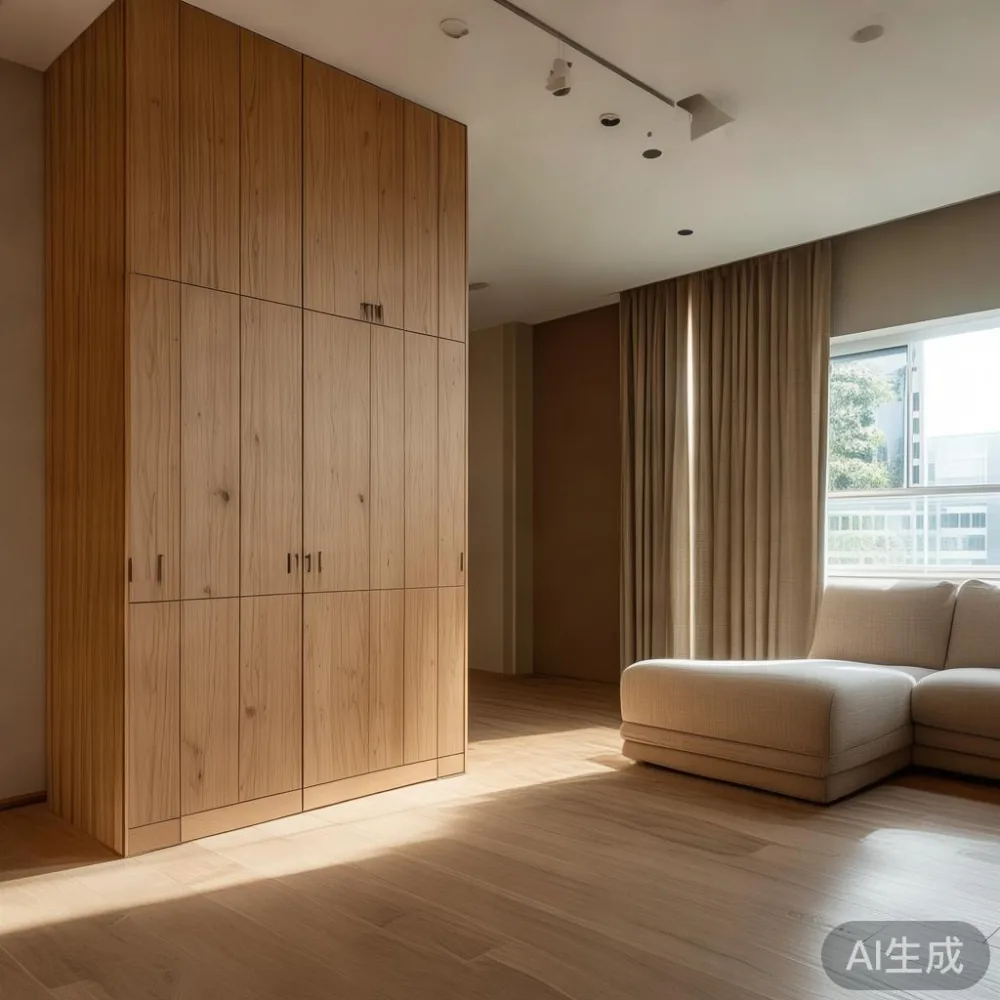
Choose a compact L-shape no longer than 2.3 m on the long side and 1.65 m on the short side, in a light oak or ash finish, and pair it with two linen-blend armchairs at 90° angles to keep the conversation triangle inside a 2.4 m radius — this layout fits a 65–75 sqm HDB living room while leaving 80 cm of walkway to the balcony door. The same principle applies when you buy a solid wood bed frame in a 90 sqm Punggol condo: keep 60–70 cm clearance on at least one side so the room breathes, and your lacquered nightstand at 45×40 cm will not crash into the wardrobe every time you open the door.
What cleaning products are safe — and which ones ruin the film in one wipe?
Safe: a pea-sized amount of pH-neutral dish soap (pH 6.0–7.5) on a damp cloth, then a dry buff within 90 seconds. Also safe: a dedicated lacquer refresher from a furniture-care brand, applied once every 90 days. Avoid completely: silicone-based polishes (they soften the film over six months), ammonia or bleach (they yellow nitrocellulose in one pass), wax pastes on high-gloss finishes (they create a permanent cloudiness), and any "miracle" scratch-repair pen sold at SGD 9.90 — I tested three last year on off-cuts and all three left a darker patch that only sanding could remove.
How do I handle the lift, the corridor, and the loading bay on delivery day?
Most HDB lifts are 1.0 m wide internally with doors of 0.8 m, and the corridor turn outside a typical Tampines block measures 1.4 m wall-to-wall. A solid wood wardrobe taller than 2.05 m simply will not enter some lift cars without tilting, and tilting a lacquered piece is the fastest way to dent a corner. Measure before you order. If the wardrobe height is 2.1 m, request a flat-pack knockdown version that assembles inside the room — every MIDHILL wardrobe I have specified for a local project in the past two years has shipped knocked-down because of this exact reason. Budget 90–120 minutes for a two-person delivery crew to move a 90 kg marble table from the loading bay to the third floor, and add a SGD 40 carrying fee if there is no service lift.
What about the marble table on the balcony or near the kitchen?
Marble and lacquer behave like cousins, not twins. A 120 cm round marble table placed on a balcony without a 1.2 m overhang will craze (develop fine surface cracks) within eight months because the stone expands roughly 0.04 mm per metre for every 10°C rise, and Singapore balconies hit 41°C at 2 p.m. in July. Keep marble pieces at least 60 cm from full-sun glazing, and use coasters under everything that holds liquid — coffee, tea, even a glass of room-temperature water will leave an etch mark on polished marble within fifteen minutes. For the Nordic marble rattan wicker combination that has become popular in post-modern light luxury interiors around the Holland Village and Tiong Bahru area, the rattan tolerates humidity well but the marble still needs the same care.
How do I store lacquered pieces long-term during a renovation?
Wrap each piece in a 80 gsm non-woven fabric blanket (never plastic film, which traps moisture and causes white blush within 72 hours), and store in a room kept at 22–26°C with a dehumidifier set to 55% RH. A 12 L/day dehumidifier costs about SGD 260 and uses roughly 0.6 kWh per hour. Place 5 cm closed-cell foam under each leg so the piece does not sit in any condensation that may form overnight. For a solid wood sofa or bed frame in storage, remove the cushions and store them separately in breathable cotton bags, because foam outgases and can fog an adjacent lacquered surface within three weeks.
When is a scratch worth a professional repair, and when can I live with it?
A surface scratch that you cannot catch with a fingernail (under 0.05 mm depth) is cosmetic and can be softened with a lacquer refresher applied in a 10 cm circle, buffed after four minutes. A scratch you can feel (0.1–0.4 mm) needs a colour-matched fill stick, available in 12 standard shades for about SGD 18 per set. Anything deeper than 0.5 mm, or a chip larger than a 5-cent coin, is a workshop job — the piece needs sanding, re-sealing, and re-lacquering in a dust-controlled environment. Most makers, including MIDHILL, offer lifetime refinishing for structural pieces, and the cost for a dining table re-lacquer in Singapore is roughly SGD 280–420, depending on size.
How does Singapore's GST and delivery maths actually work on a big piece?
Since the 9% GST adjustment, a solid wood dining table listed at SGD 2,800 becomes SGD 3,052 inclusive, and a marble table at SGD 3,450 becomes SGD 3,760.50. Free shipping usually kicks in above SGD 350, but read the fine print: many sellers exclude addresses above the third floor without a service lift, and most will charge SGD 60–120 for disposal of your old piece if you want it removed. Ask for a written quote that itemises the furniture, the GST, the delivery, and any carry-up fee before you confirm. A good quote also states the warranty in years, the return window (14 days is standard for unused pieces), and the lead time in working days — 35–55 days for a custom lacquered wardrobe from a Foshan workshop is normal.
What small habits extend the life of lacquer in a tropical home?
Three habits cover 80% of the benefit. First, close the bedroom door when the aircon runs at night so the lacquered bed frame and nightstand do not sit in the cold-air plume all night — repeated 10°C swings across eight hours will fatigue the film. Second, lift objects rather than drag them; a ceramic vase dragged 15 cm across a lacquered dining table leaves 15 cm of micro-scratches. Third, keep lacquered pieces at least 80 cm away from any open window during the September–February monsoon, when outdoor humidity regularly exceeds 90% RH and the wet-bulb temperature in a Tampines flat with cross-ventilation can stay above 27°C for fourteen hours straight. These three habits cost nothing and add roughly three to five years to the visible life of a high-gloss finish.
Buying solid wood in Singapore is the easy part; keeping it beautiful in our climate is a quieter, slower craft. The owners I have seen get ten solid years out of a lacquered dining table all share the same pattern: they measure humidity, they wipe with distilled water, they keep the lift access clear, and they call the workshop before the damage spreads. That is the whole method, and it fits in a paragraph — even if the furniture itself fills the room.