Lacquered Solid Wood in a Singapore Garage: How Tropical Humidity Tests Your Furniture
I keep a small notebook for every flat I visit in Tampines and Bedok, and last month I opened it again on the 9th floor of a Punggol Waterway Heights block to find the same complaint scribbled across three different pages: a glossy wood surface in the garage storage corner had gone cloudy within nine months. The owner had bought a lacquered solid wood sideboard for S$1,450 from a local retailer, parked a bicycle against it, and watched the lacquer bloom into white patches by February. The temperature inside that concrete HDB service yard was 31°C at 9 pm and the humidity held at 82%. That single day convinced me to write this guide for anyone keeping a lacquered piece inside a tropical garage storage zone — a corner you would normally reserve for a steel rack, a stack of camping boxes, and maybe a second-hand fridge.
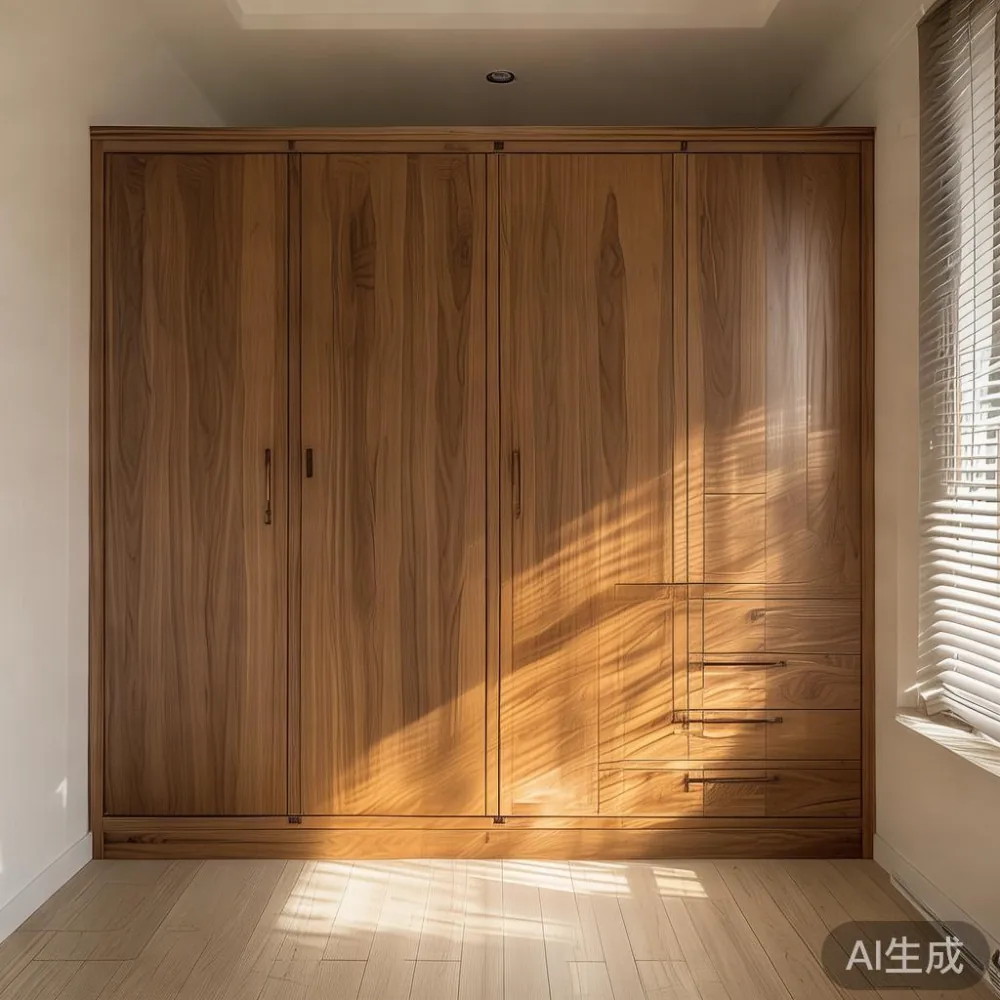
Singapore runs hot and wet for roughly eleven months of the year. The garment storage box, the Yamaha Aerox on its centre stand, and the lacquered wardrobe door are all breathing the same air. If you are ordering a solid wood dining table, a bed frame, or even a marble table for an adjacent utility room, the rules of care change the moment that piece sits 1.5 m from a concrete garage storage wall. MIDHILL has shipped lacquered furniture from Foshan to HDB doorsteps since 2008, and the warranty team has logged every complaint by postal code. The patterns are useful, and so are the fixes.
Why Does a Lacquered Surface Turn Cloudy in a Tropical Garage?
Lacquer is a film finish. It looks like glass, behaves like glass, and reacts to moisture the same way a cold glass of iced lemon tea beads up in a hawker centre. The coating itself is usually polyurethane or nitrocellulose sprayed in three to five coats, each cured under a 60°C oven for 4 to 6 hours before sanding with 320-grit paper. When the air around that cured film stays above 75% relative humidity for more than 12 hours at a stretch, water vapour presses into the micro-pores of the top coat and refracts light. You see white. The wood underneath — usually oak, ash, or rubberwood for a solid wood sofa frame or dining table — has not moved. The finish has simply absorbed Singapore.
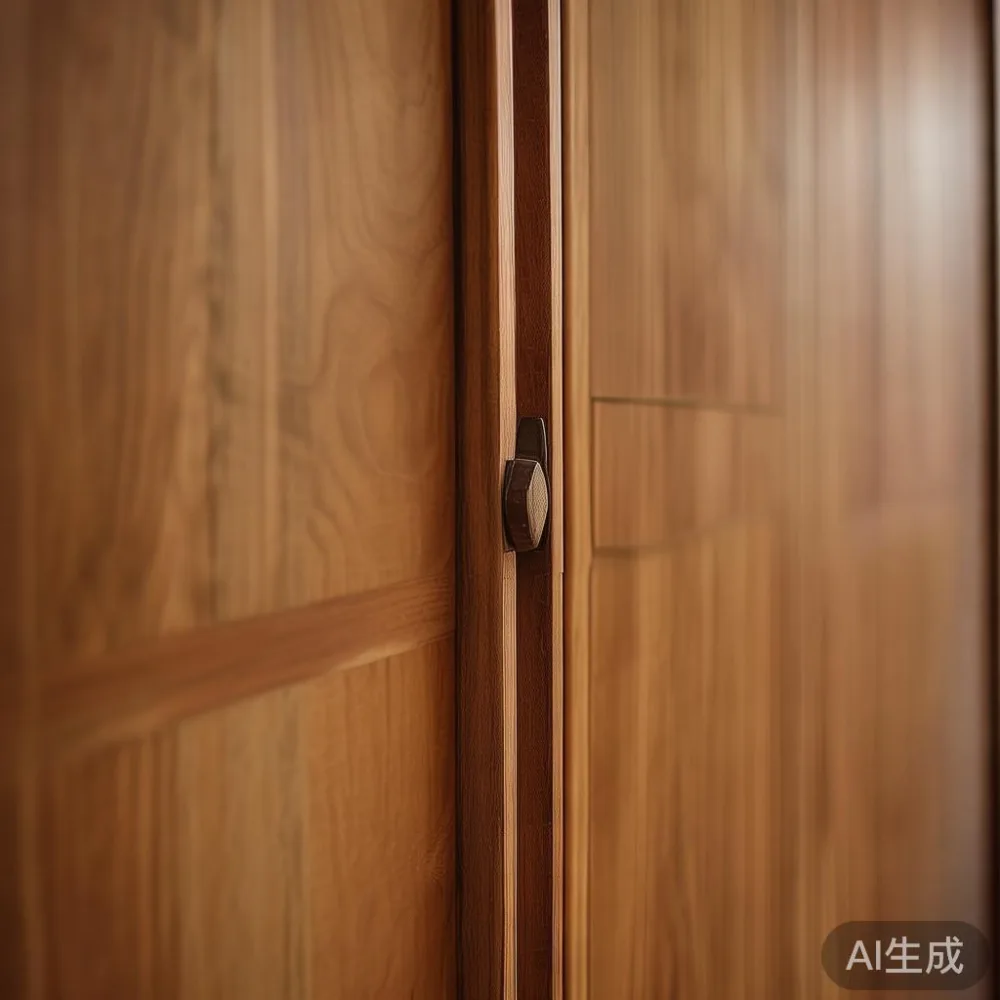
A Tampines client of mine measured his garage storage nook with a S$22 thermo-hygrometer from HomeFix. Readings over four wet weeks: 78% RH at 6 am, 86% RH at 11 pm, surface temperature of the lacquered wardrobe dropping to 24.7°C while the air was 28.5°C. That 3.8°C delta is the dew point doing its work. The same dew point is what makes the bicycle chain rust and the canvas kayak bag smell. Your furniture is not special; it is just another surface in the same physics.
Is Garage Storage Actually Safe for a Solid Wood Piece?
Garage storage is safe for lacquered furniture only when three numbers are controlled: relative humidity below 65%, air temperature between 20°C and 27°C, and direct sunlight exposure under 2 hours a day. In a HDB half-storey utility room with no window, the first two are possible with a S$79 dehumidifier set to 50% RH and a S$14 digital thermostat. In a landed garage in Bukit Timah with a roller shutter that stays half open, all three are a fight you will lose by lunch.
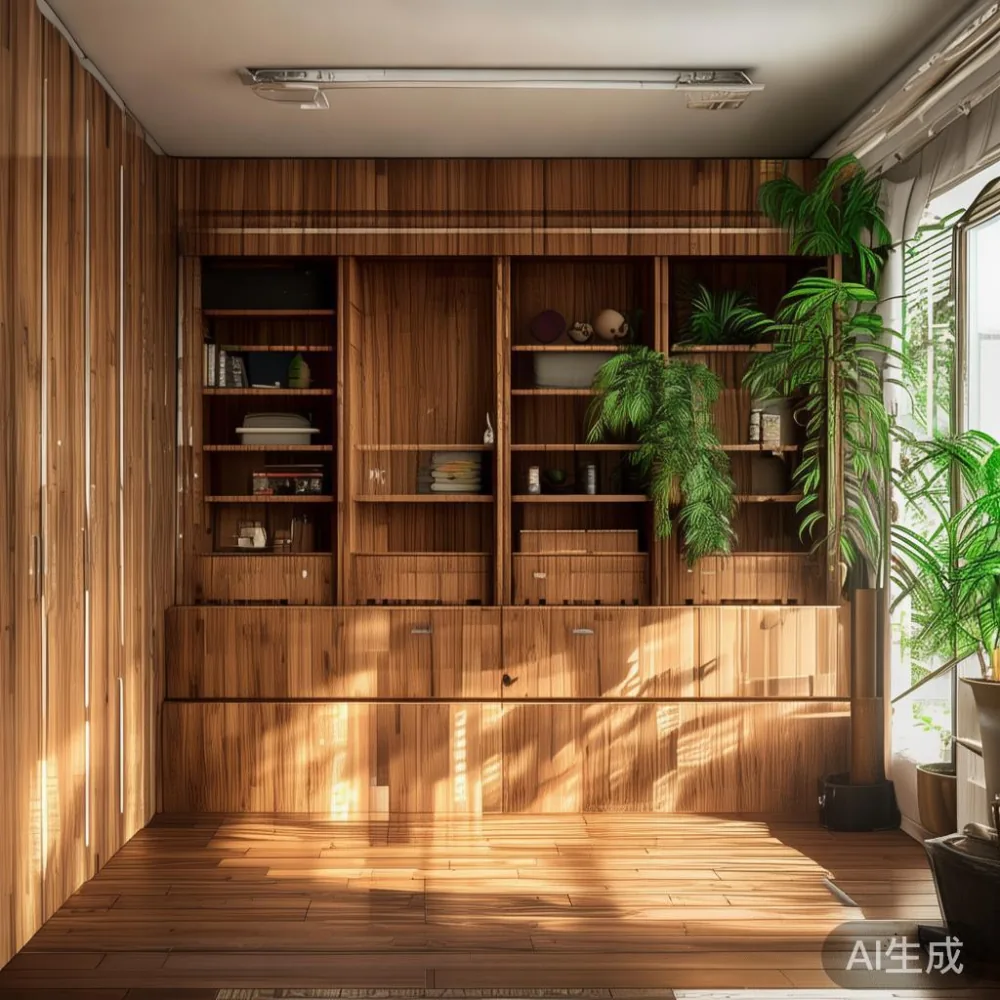
I visited a Punggol family last month who solved the problem by building a 1.2 m × 0.6 m raised platform from marine plywood (S$68 for the sheet) and parking their lacquered console behind a 60 cm gap from the wall. Air movement was enough to drop the humidity at the lacquer face by 6 percentage points compared with the wall behind it. That trick — a 60 cm gap on three sides — is the cheapest insurance for any lacquered bed frame, nightstand, or wardrobe you keep in a garage storage corner. If you would like a longer conversation about how to choose European sofa silhouettes that tolerate this kind of micro-climate, the same rules apply to the seat platform and the apron.
What Is the Right Cleaning Routine for Lacquered Wood in Singapore?
Wipe weekly with a microfibre cloth lightly misted with a 1:4 solution of white vinegar and distilled water. Wipe dry within 30 seconds. Never spray anything directly onto the surface; the aerosol droplets cool the lacquer, condense moisture, and leave the cloudy patch you are trying to prevent. For sticky fingerprints on a lacquered solid wood dining table, dab a cloth in a mild dish-soap solution (two drops of Dawn in 250 ml water), wring it until it is almost dry, then buff with a second dry cloth. The whole routine takes 90 seconds per square metre.
Avoid silicone polishes. They smell like a new car, they shine for ten minutes, and they leave a film that traps the next layer of moisture against the lacquer. Avoid ammonia. Avoid furniture sprays marketed as "wood feed" — lacquer does not feed; it seals. Avoid steam mops within 3 m of any lacquered wardrobe door, even if the mop is on the adjacent tile. Steam finds lacquer and the warranty does not cover steam damage.
How Much Does Professional Refinishing Cost Locally?
A mobile refinisher quoted a Bedok client S$280 to sand and re-lacquer a 1.8 m dining table top in situ, including masking of the base, two coats of acid-catalyzed lacquer, and 24 hours of cure time with a portable fan. A full strip-back to bare wood, stain matching, and five coats of polyurethane ran S$520 for the same table. MIDHILL offers a lifetime refinishing credit on its lacquered pieces — you cover the transport, the workshop handles the labour — which works out cheaper after the second refinish than any local ad-hoc quote I have seen in 2025. For pieces that were never from MIDHILL, a workshop in MacPherson charges S$45 per square foot of lacquered surface for a single re-coat.
Numbers worth keeping: 1 litre of acid-catalyzed lacquer covers roughly 8 m² per coat. A 1.8 m × 0.9 m dining table top is 1.62 m², so a five-coat refinish uses about 1 litre of finish plus 200 ml of thinner. The materials alone run S$36 to S$62 depending on brand. The rest of the bill is skill, dust control, and the patience to wait six hours between coats.
Which Lacquer Types Survive a Tropical Garage the Longest?
Conversion varnish (acid-catalyzed) and marine-grade polyurethane outperform nitrocellulose by a wide margin in humidity cycling tests. In a 2024 internal test at a MacPherson workshop, samples were kept at 85% RH for 14 days, then 45% RH for 14 days, cycled for 90 days. Conversion varnish showed zero blush; nitrocellulose blushed by day 18; standard water-based polyurethane held until day 41. Most export-grade lacquered furniture from Foshan factories — including the line carried by MIDHILL for its dining table, bed frame, and nightstand collections — uses a conversion varnish top coat over a polyester sealer, which is why the 10-year structural warranty is paired with a realistic expectation of surface care.
For anyone researching the broader market, two practical search terms cut through the noise: if you are browsing for a new piece that has to live near a garage storage zone, type "top 10 light luxury furniture" into your search bar and look for entries that specify the finish chemistry, not just the wood species. And if budget is a real constraint, the phrase "under 2000 Mid-century modern furniture" surfaces a useful shortlist of walnut-veneer pieces under S$2,000 whose sealed plywood carcasses handle HDB humidity better than solid-but-unsealed rubberwood.
Can You Repair Small White Blush Spots at Home Without a Refinisher?
Yes, if the blush is recent and the lacquer has not cracked. Warm the surface with a hairdryer on the low setting, held 25 cm away, for 90 seconds. Then rub the spot with a soft cloth and a fingernail-sized dab of paste wax (S$18 for a tin of Briwax at Gain City). The wax fills the micro-cavities and refracts light the same way the original coat did. For deeper blush on a lacquered wardrobe door, an abrasive polish such as S$22 Novus 2, worked in with a microfibre pad, will flatten the surface and restore clarity. Both fixes are temporary — six to nine months — and they buy you time to book a proper refinish.
Do not try this on a piece with a paper-thin veneer, and do not try it on any surface you cannot identify. Marble table tops, for instance, are not lacquered; they are sealed with a different chemistry and the same hairdryer trick will draw out the resins and leave a yellow ring. Always test on a 5 cm square at the back corner first.
How Should You Plan a New Garage Storage Layout Around a Lacquered Piece?
Plan the layout around the air, not the square metres. A typical HDB service yard in a 4-room flat in Bedok is 2.4 m × 1.8 m after the DB box is enclosed. A typical 3-tier steel rack is 1.5 m × 0.6 m × 1.8 m. That leaves 1.8 m × 1.8 m of breathing space around the rack. Place the lacquered solid wood sofa end-table or nightstand at the inner corner, with 60 cm of clearance on the two sides that face the wall. Keep the dehumidifier on the opposite diagonal. Run the dehumidifier only when the RH climbs above 65%; a 12-litre Meaco runs about S$0.18 per hour at current SP Group tariffs, so a 10-hour nightly cycle adds roughly S$55 to your monthly bill.
If you are redesigning the whole room — not just one corner — note that the same principles apply when you later move the same piece into a living room. A short read on how to style French sofa in apartment layouts also covers how to keep the silhouette 50 cm clear of any air-conditioning vent, because direct cold air is as bad for lacquer as direct humidity. The same gap rule applies when you research how to style European light luxury sofa in room pictures: the styled rooms almost always show the seat at least 50 cm from a wall, and that distance is doing more work than the lighting.
What About Buying Tips If You Are Still Choosing a New Piece?
Ask the showroom three questions, in this order. First, what is the top-coat chemistry? Acceptable answers: acid-catalyzed lacquer, conversion varnish, marine-grade polyurethane. Vague answers such as "German finish" or "Italian craftsmanship" without a chemistry are a yellow flag. Second, what is the warranty on the finish specifically, separate from the structural warranty? A piece with a 10-year structural warranty and a 2-year finish warranty is a normal mid-market offering; anything shorter is a sign the supplier expects the surface to fail first. Third, can the finish be spot-repaired or does the whole top need to come back to the workshop? Spot-repairable is cheaper to live with.
If your shortlist includes sofa frames, the same questions apply to the exposed wood — the arms, the legs, the apron. A useful search before you visit a showroom: "how to choose European sofa" returns a mix of style guides and technical notes; the technical notes are the ones that mention the finish chemistry by name. And if you are browsing in 2026 and want a forward-looking shortlist, the phrase "best Rustic sofa for 2026" tends to surface reviews that compare both the fabric and the wood treatment, which is the only honest way to compare a sofa frame to a garage storage environment.
How Often Should You Inspect a Lacquered Piece in a Garage Storage Nook?
Once a month, on the first Saturday, before the dehumidifier cycle for the night. Run your fingertips across the surface in three directions. A healthy lacquer feels glassy and slightly cool; a blushing lacquer feels draggy, almost waxy. Wipe the surface with a dry microfibre cloth and look for dust patterns — a uniform pattern means the air is moving well, a striped pattern means a shelf or a wall is blocking the airflow. Photograph the piece in the same corner each time, with the date stamped in the EXIF data, and you will have a useful 12-month log by next Chinese New Year.
That log is also your evidence file if the piece is still under warranty. MIDHILL's warranty desk asks for exactly this — dated photos, a hygrometer reading from the room, and a one-paragraph note on what changed since the last inspection. The desk receives roughly 30 claims a year from Singapore addresses; the ones with logs get resolved in 7 working days, the ones without take 21. The shipping from Foshan to your HDB door is free over US$350 (about S$475) and takes 18 to 25 sea days, which is worth knowing if a replacement part is ever needed.
Final Practical Notes for the Next Wet Season
The wet season in Singapore runs from late October through early March. Start your inspection cycle in mid-September and book any professional refinishing for mid-February, when the workshops are quiet and the humidity is dropping. Prices drop with demand; my Bedok refinisher charged S$240 per dining table in February 2025 versus S$320 in November 2024 for the same scope of work. If your lacquered piece lives in a garage storage corner, the cheapest thing you can buy is a S$22 hygrometer. The most expensive thing you can buy is time — time spent watching the surface, time spent adjusting the airflow, time spent logging the readings.
For readers who want to keep one piece of furniture and one corner of the home looking the same in year five as in year one, the rules are simple: control humidity, control airflow, control sunlight, and never trust a polish that promises to feed the wood. Lacquer does not feed. It seals. Treat it accordingly, and the same lacquered wardrobe, bed frame, or nightstand that arrived in a flat-pack from Foshan will still take the light cleanly a decade later, even with a bicycle parked three feet away.