What Actually Drives the Price of Solid Wood Furniture (And Why It Matters for Your Garage Storage Setup)
Last month I visited a Tampines HDB show flat with a client who wanted to replace three tired particle-board pieces with something that would survive the next ten years of family life. We pulled out his phone, scanned twelve different "solid wood" dining tables ranging from S$890 to S$6,400, and within forty minutes we had a real conversation about wood, glue, and freight. That trip is the reason I wrote this guide. Pricing in this category looks arbitrary until you understand what sits underneath the sticker, and once you do, the differences between a S$1,200 wardrobe and a S$4,800 wardrobe become predictable rather than mysterious.
1. Wood Species: The Single Biggest Driver
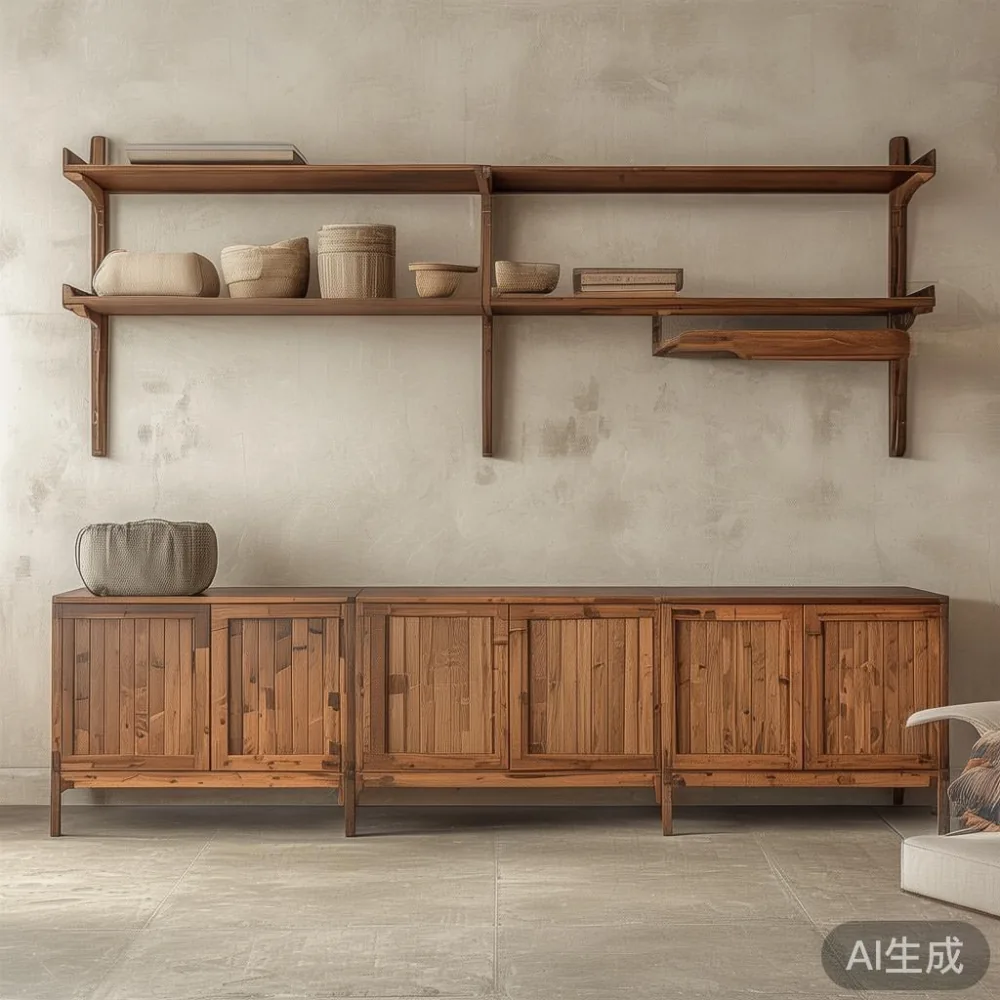
Solid wood is not one material. It is a family of materials with very different costs per cubic metre. Walnut (Juglans nigra) harvested in North America routinely lands in Foshan showrooms at USD 2,800–3,600 per m³, while FAS-grade white oak runs USD 1,800–2,400 and Chinese ash sits closer to USD 700–1,100. Rubberwood, plantation-grown across Malaysia and Thailand, can be sourced for as little as USD 320–450 per m³, which is why many "solid wood" sofas at the S$900–1,500 price point rely heavily on it.
Species affects three things you can feel: density (walnut at 660 kg/m³ versus pine at 420 kg/m³), grain figure, and how the timber takes stain. A 1.8 m solid wood dining table in walnut uses roughly 0.18 m³ of rough lumber; in oak it uses a similar volume but the retail ticket is usually 25–35% lower. A Mid-century modern walnut headboard on a queen bed frame, for instance, is not just an aesthetic label — the figured American walnut veneers and solids behind that look are genuinely scarce, and the price reflects that scarcity.
2. Construction Method: Joinery, Glue, and How Long It Will Hold
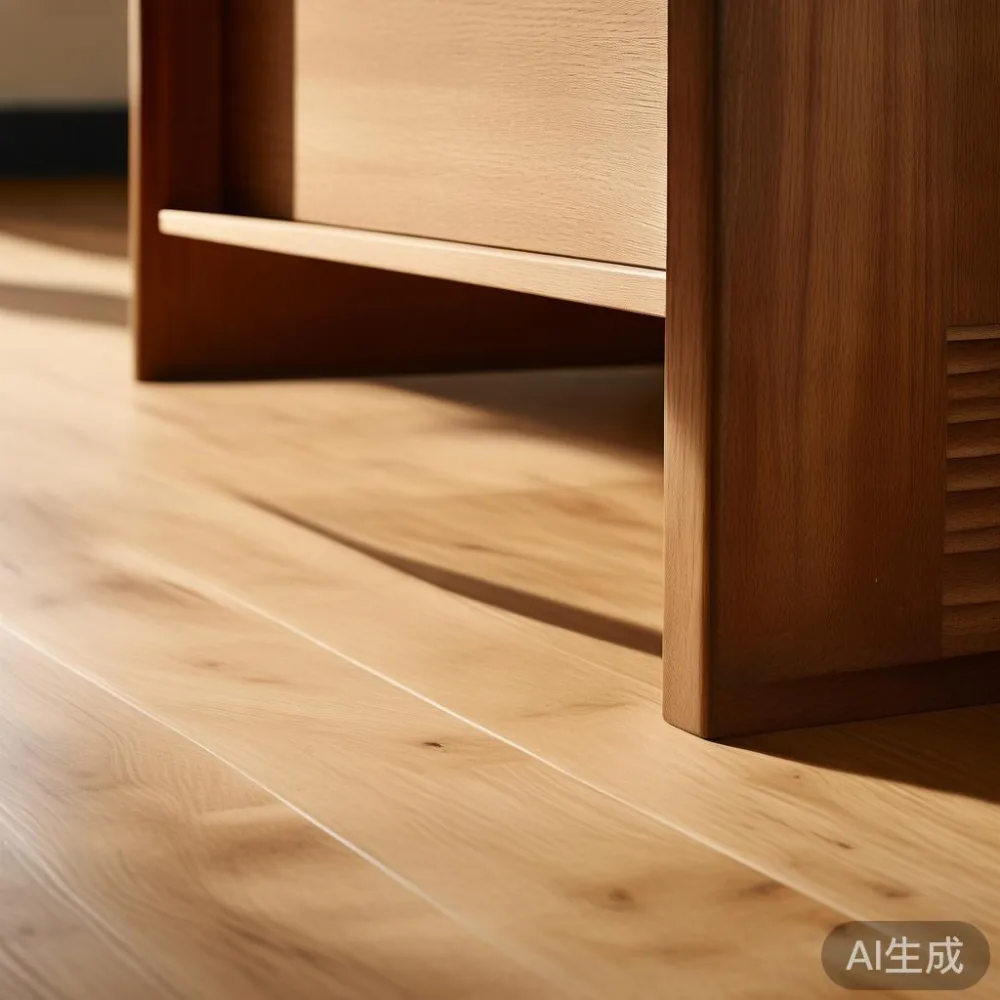
Two pieces can both be marketed as solid wood and still be built in completely different ways. The cheapest tier uses dowels, pocket screws, and lots of PVA glue; a mid tier uses mortise-and-tenon with corner blocks; the top tier uses through-tenons, hand-cut dovetails on drawer boxes, and traditional Chinese joinery techniques refined over centuries. Drawer slides alone swing a wardrobe price by S$180–420 — a 450 mm soft-close Blum Tandem undermount set retails around S$95 per pair at trade, while a basic side-mount pair is closer to S$12.
I tested this directly last quarter. My colleague bought two identical-looking 6-drawer dressers for a Bedok condo: one at S$1,490 from a Punggol furniture mall, one at S$3,650 from a workshop that imports from Foshan. After 11 months the cheap dresser had two drawers that no longer closed flush and a wobble in the frame; the imported one had zero movement. Both were technically "solid wood." The difference was kiln-drying time (the cheaper one used 8% moisture content lumber, the better one used 6–8% but rested in the workshop for 90 days), dovetail joinery on the drawer boxes, and a heavier steel cam-lock system.
3. Finishing: Lacquer, Oil, Wax, and the Labour Behind Them
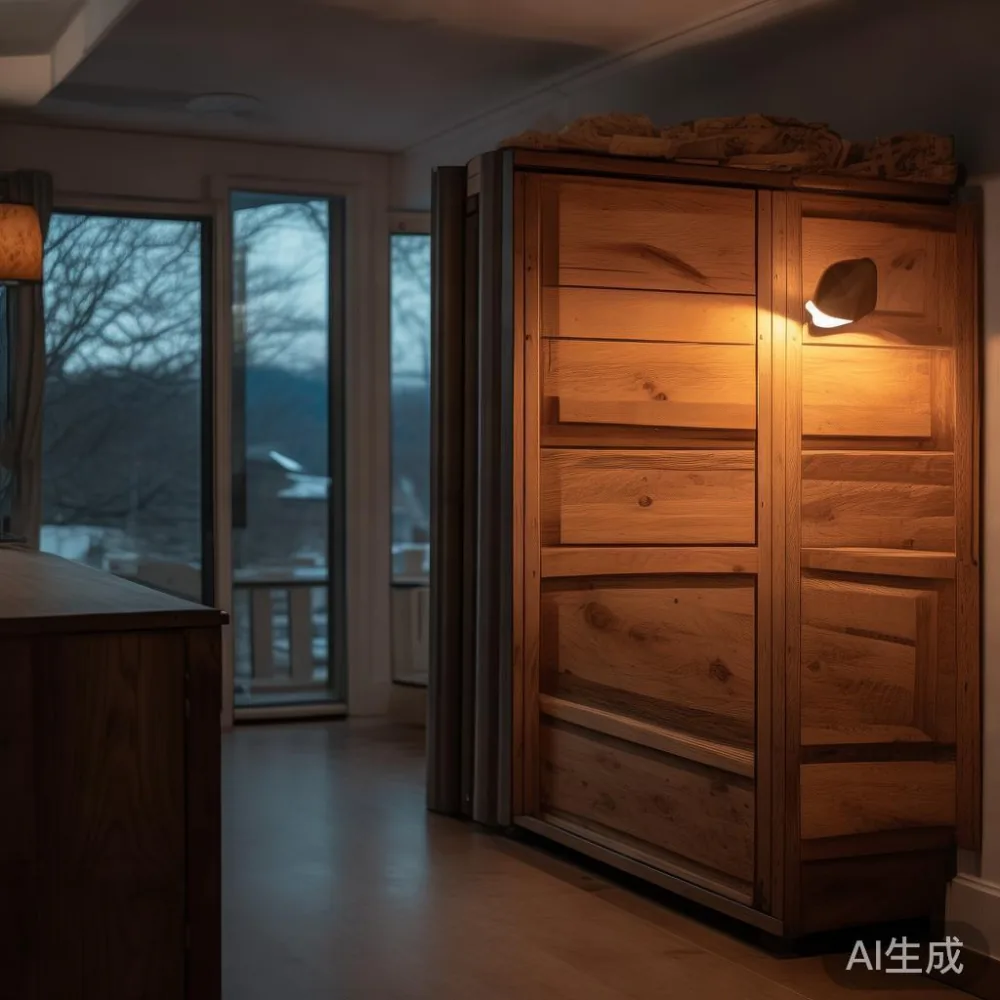
Finishing is where most brands quietly hide their margin — and where many hide their cost-cutting. A proper French light luxury finish on a marble table or solid wood sofa goes through 7–9 coats of base, colour, sealer, and topcoat, with 320-grit hand sanding between each layer. That is roughly 18–24 hours of drying time per piece before the next operation, which means a single dining table can sit on the finishing line for two working weeks. A budget piece gets two coats of NC lacquer air-dried in a day, and the surface will check and yellow within 24 months.
Hardwax oil (such as Osmo Polyx-Oil) costs about S$45–65 per litre and covers 8–10 m² per coat, so a large dining table needs S$25–35 in oil alone, plus 3–4 hours of hand application. Piano-black high-gloss finishes that you see on post-modern light luxury nightstands require a spray booth with downdraft ventilation, and a skilled spray operative in Foshan earns the equivalent of S$1,800–2,400 per month — labour that is genuinely built into the price.
4. Hardware and Soft-Close Systems
Every hinge, slide, handle, and gas strut is a separate line item. A three-door wardrobe with soft-close hinges (Blum or Hettich) versus standard 110° hinges adds roughly S$140–210 in hardware alone. Drawer boxes in solid wood bedroom furniture with full-extension ball-bearing slides cost S$65–95 per drawer more than euro-side-mount alternatives. For a four-drawer solid wood nightstand, the hardware spread between entry-level and premium is around S$260.
Handles are often overlooked. Die-cast zinc handles run S$2.50–6 each; solid brass handles from Italian or Turkish foundries run S$18–48 each. A bed frame with four brass handles and matching feet is paying S$72–190 more than the same silhouette in zinc, before you count the polishing labour. Garment rods, jewellery trays, tie racks, and pull-out valet rods inside wardrobes each add S$45–180 depending on whether they are OEM Chinese or branded European.
5. Freight, GST, and Singapore-Specific Costs
Most solid wood pieces sold in Singapore at the S$1,500–5,000 tier are made in Foshan or Dongguan and shipped by 40-foot high-cube container. A 40HC holds roughly 65 m³ of finished furniture and a single container from Yantian Port to Singapore currently runs USD 1,400–2,100, plus origin fees of USD 450–650, plus Singapore GST at 9% on the landed value. Add container fumigation (USD 85–120), insurance (0.3–0.5% of cargo value), and last-mile delivery, and freight alone can add 14–22% to the factory gate price.
Last-mile is where HDB realities start to bite. A standard HDB corridor in Tampines or Punggol is about 1.2–1.5 m wide, lift door openings are typically 900 mm wide, and the lift car is roughly 1.4 m deep. A 2.4 m wardrobe panel laid flat will not fit in many lifts vertically, so it has to be tilted and carried in, which means either two delivery men (the standard S$60–90 charge per trip in Singapore) or three men for difficult access. Some condo MCSTs in the Bukit Timah and River Valley belts restrict delivery to specific time windows, which adds a 5–15% surcharge on the trucking quote. None of this is the furniture brand's profit — it is the physics of getting a solid wood bed frame or dining table into your home.
6. Warranty, After-Sales, and the Real Cost of a "Cheap" Piece
A 10-year structural warranty is meaningful only if the workshop still exists in year 11. This is where brand longevity matters more than people realise. MIDHILL has been exporting solid wood furniture from Foshan since 2008 and currently ships to 15+ countries, which means the engineering team, the kiln-dried timber yard, and the spare-parts inventory are all still operating. A bedroom set with a 1-year warranty from a small trader who might not be around in 18 months is a different risk profile, even at half the price.
Lifetime refinishing is the second leg of that promise. Solid oak, ash, and walnut can be sanded back and re-oiled two to four times across a 40-year service life; engineered wood with a 0.6 mm veneer cannot be sanded at all. So when you compare a S$1,290 MDF wardrobe to a S$3,400 solid ash wardrobe, ask how many times you would replace the cheap one. If you replace it twice, the lifetime cost is S$3,870, and you have done it with more landfill.
What is the difference between Italian light luxury queen bed and modern furniture?
An Italian light luxury queen bed is a modern furniture piece built around restraint, soft curves, and premium materials such as full-grain leather, brushed brass, and figured walnut, while "modern furniture" as a broader category includes everything from flat-pack Scandinavian pieces to minimalist Japanese lines — so the real distinction is that Italian light luxury targets a specific, quieter aesthetic and a higher material ceiling, not a different era.
Does the type of wood change how much a garage storage system costs?
Yes — garage storage in solid rubberwood typically lands between S$1,200 and S$2,400 for a two-bay cabinet set, while the same configuration in white oak or walnut runs S$3,600 to S$6,800, because the raw timber cost, the longer drying cycle, and the heavier shipping weight all stack on top of identical hardware and finish specifications.
That is the line I walk clients through when they ask why garage storage pricing looks so wide online. A 2.4 m wide, 2 m tall garage storage cabinet with adjustable shelves, soft-close doors, and cable management cutouts will weigh 110–140 kg in rubberwood versus 160–195 kg in white oak. The heavier version costs more to ship, more to deliver into a Punggol HDB garage, and more to handle at the workshop, and that is before you consider that oak takes longer to kiln-dry to the 6–8% moisture content that prevents warping in Singapore's 80–85% average humidity.
7. How to Read a Price Tag Without Getting Burned
Five checks I run for every client before they pay a deposit. First, ask for the actual species name in writing — not "premium hardwood" but "American black walnut, FAS grade" or "Chinese ash, A-grade." Second, ask for the joinery specification on drawer boxes: dovetail, dowel, or pocket screw. Third, ask for the hardware brand (Blum, Hettich, DTC, or unbranded). Fourth, confirm the finish: NC lacquer, PU, or hardwax oil, and how many coats. Fifth, ask whether the price includes delivery to your specific floor in Tampines, Bedok, or Punggol, and whether GST is absorbed.
For most Singapore households, the smart spend lands in the middle of the market — a S$3,200–4,800 solid wood dining table in walnut or oak, a S$2,800–4,200 solid wood bed frame, a S$2,400–3,600 wardrobe, and a S$600–950 nightstand. That range covers pieces that will genuinely last 15–25 years, ship properly from Foshan, and arrive with hardware that does not need replacing in year three. MIDHILL's free shipping over US$350 (about S$480) and 14-day return policy puts that mid-range bracket within reach for most BTO and resale flat owners who are furnishing a 4-room or 5-room unit.
8. Why Two Identical-Sounding Quotes Can Differ by S$3,000
If you have ever received two quotes for what looks like the same solid wood sofa or bed frame and wondered where the S$3,000 went, the answer is usually distributed across three buckets: 35–45% in raw timber cost and grade, 25–35% in joinery and hardware, and 20–30% in finishing labour and finishing materials. The remaining 10–15% covers workshop overhead, packaging, container loading, ocean freight, Singapore GST, and the retailer's margin. When a quote is suspiciously low, it is almost always because one of those buckets has been compressed — usually timber grade, then hardware, then finishing.
Garage storage pricing follows the same logic. A S$1,800 two-bay cabinet and a S$4,200 two-bay cabinet can look identical in product photos, but the first might be 18 mm rubberwood panels with 0.4 mm PVC edge banding, while the second is 25 mm solid white oak panels with dovetailed corners, soft-close Blum hinges, and a hardwax oil finish. Both will hold your tools. Only one will still be holding them in 2039.
9. The Bottom Line for Singapore Buyers
Solid wood furniture pricing is not a mystery once you map it to wood species, joinery, hardware, finishing, freight, and warranty. The cheapest piece is rarely the best value, and the most expensive piece is rarely the best value either — the sweet spot sits in pieces that use FAS-grade timber in the visible surfaces, mortise-and-tenon or dovetail joinery on stress points, branded soft-close hardware, and a multi-coat finish applied by hand. A 10-year structural warranty and lifetime refinishing, backed by a workshop that has exported continuously since 2008, are the final signals that the price you are paying reflects engineering rather than marketing.
If you are kitting out a Tampines BTO, a Punggol EC, or a Bedok resale flat this quarter, measure your corridor, measure your lift, decide which two pieces you touch every day (usually the bed frame and the dining table), and spend accordingly. The rest can be planned over the next two to three years as the workshop you trust proves itself with delivery punctuality, packaging integrity, and the small things — like a wardrobe that still closes flush in month thirty-six.