Veneer vs Solid Wood: A 5-Year Cost Comparison for Singapore Garage Storage
Choosing garage storage furniture in Singapore is rarely a purely aesthetic decision. In an HDB flat or condo near Tampines, Bedok, or Punggol, the unit may sit above a car park, inside a multi-storey garage, or in a sheltered side space. Humidity, limited ventilation, narrow corridors, and compact lifts all affect how furniture ages and what it costs over time. Veneer can deliver a convincing timber appearance for less money, while solid wood carries more mass, repairs differently, and usually lasts longer if it is specified well.
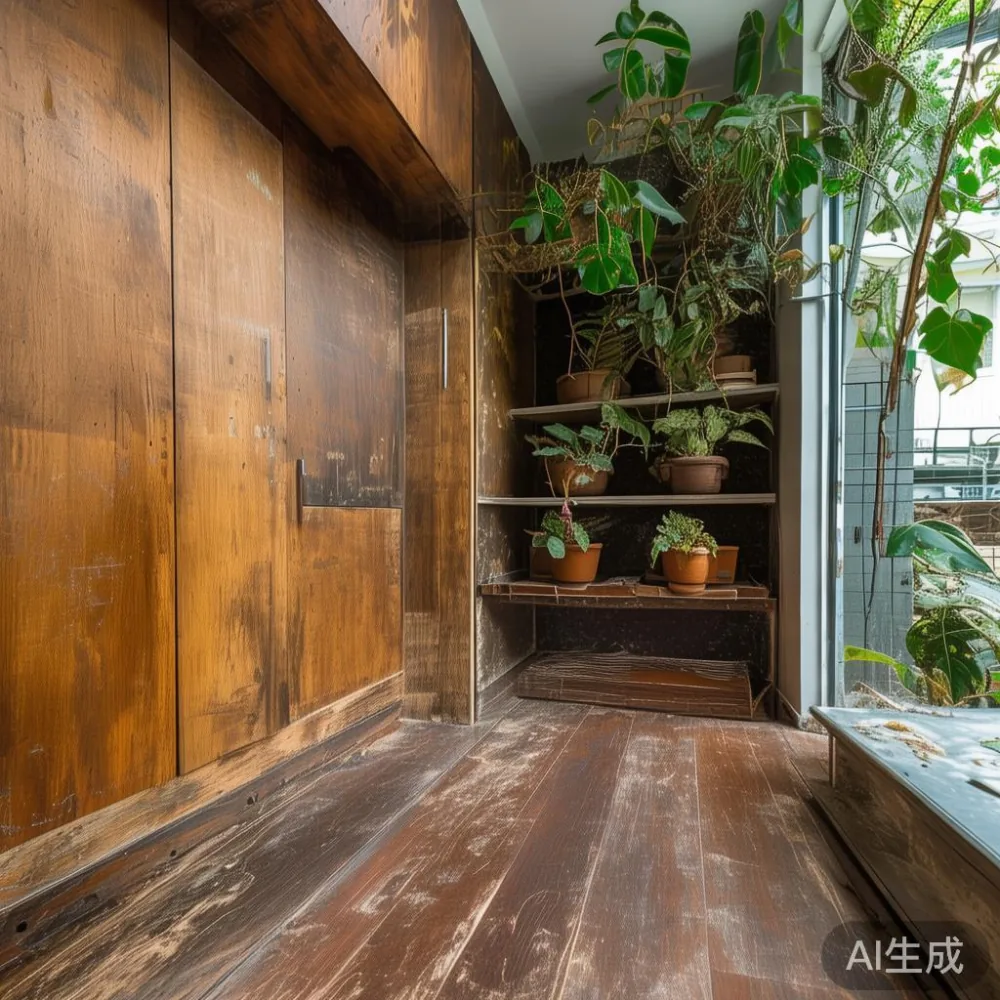
For a realistic comparison, I have treated each cabinet as a 90 cm wide, 45 cm deep, 180 cm high garage storage unit with 2 doors, 4 adjustable shelves, and 1 lock. The assumed purchase price is SGD 980 for a veneered unit and SGD 1,680 for an equivalent solid oak unit, including GST. Both estimates use delivery to a Singapore residential address. They also allow for routine care, expected repair work, and eventual disposal.
This is not a ranking of all furniture brands. It is a financial model for a Singapore household deciding between two construction methods for garage storage. The same general principles apply when choosing a solid wood sofa, bed frame, dining table, wardrobe, nightstand, or marble table for a home, although the comparison below stays focused on garage storage.
What does a veneer garage storage cabinet cost over five years?
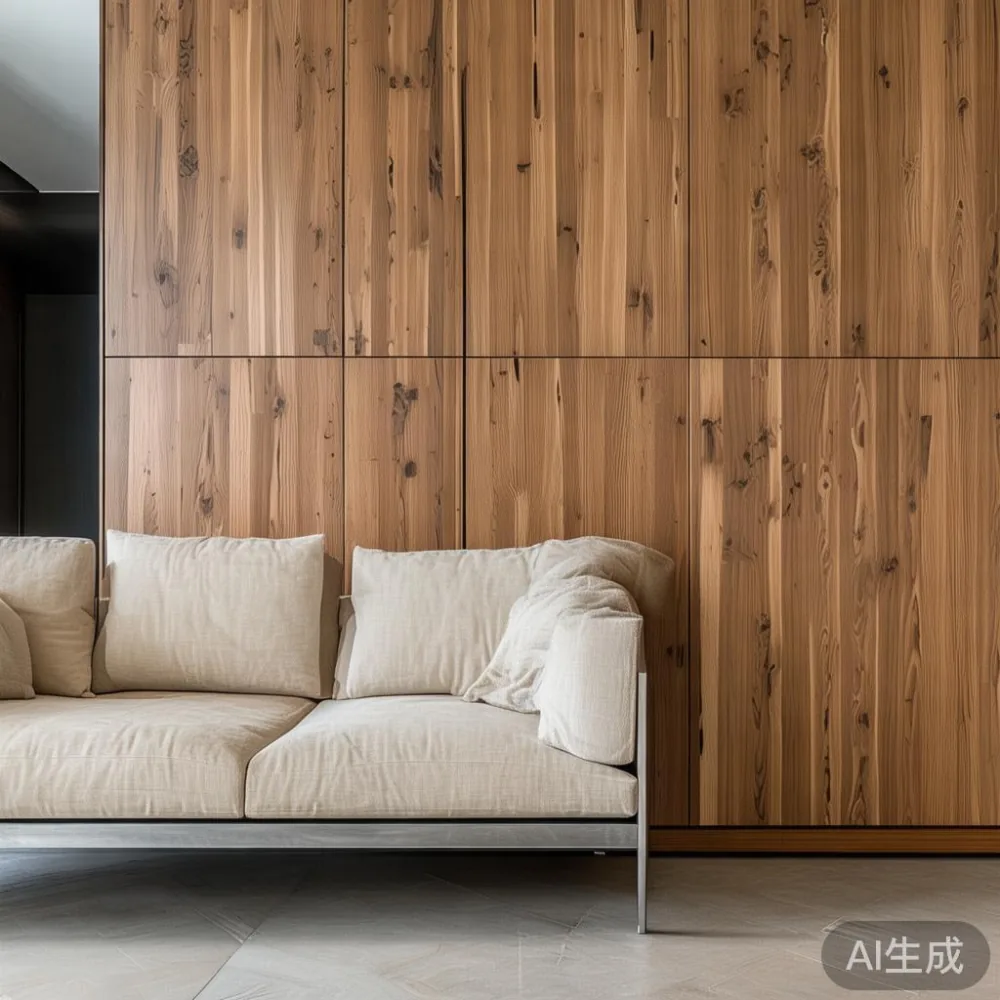
A veneered cabinet often starts at SGD 980 after GST. The figure assumes a 90 × 45 × 180 cm carcass, powder-coated handles, a lock, and 4 shelves. The panels may use 18 mm engineered board with a 0.6 mm oak or walnut veneer. A furniture specialist should ask whether the visible surface is veneer, foil, or laminate, because each has different repair prospects.
For the first year, budget roughly SGD 110 for cleaning, humidity control, and 2 replacement hinge fittings. That brings the first-year total to about SGD 1,090. In years 2 and 3, budget SGD 120 per year for hinges, shelf pins, lock cylinders, and minor surface care. In years 4 and 5, allow SGD 180 per year because veneer may be more exposed to chipped edges, swelling, or delamination after repeated humidity changes.
Across 5 years, the model is:
Purchase: SGD 980
Years 1–3 care and repairs: SGD 350
Years 4–5 care and repairs: SGD 360
Disposal at year 5: SGD 100
Five-year total: approximately SGD 1,790
That is about SGD 358 per year. It includes reasonable replacement parts, but not major board replacement. If the cabinet is stored against an external wall in Bedok or beneath an uncovered car park, its projected repair cost could rise by SGD 150–300. If indoor conditions are dry and stable, the actual five-year total may stay closer to SGD 1,600.
Veneer therefore looks economical at the checkout, but its cost depends on whether the customer replaces a small fitting or replaces a door panel. A small hinge is inexpensive. A moisture-damaged 45 × 180 cm face can cost more than SGD 250 in material and labour once the cabinet must be removed, repaired, and returned.
What does a solid wood garage storage cabinet cost over five years?
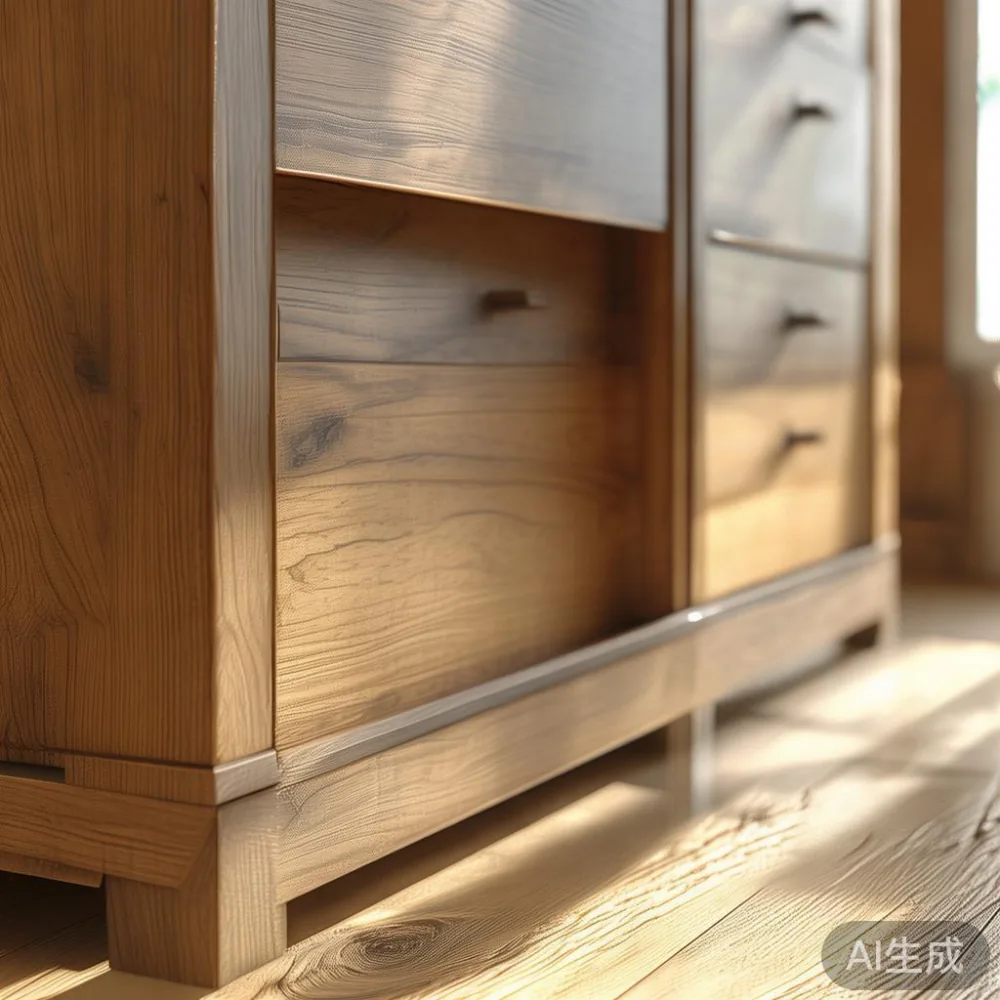
The solid wood comparison assumes the same 90 × 45 × 180 cm dimensions, 4 shelves, 2 doors, and lock, priced at SGD 1,680 including GST. White oak, rubberwood, and ash vary in price, but the important specification is the solid timber thickness and the finish. A 18 mm solid wood door and 15 mm solid wood shelves provide a repairable product rather than a thin decorative face.
Solid wood generally requires less replacement during ordinary use. Budget SGD 80 in year 1 for hinge adjustment, lock service, and protective wax. Allow SGD 90 per year in years 2 and 3, then SGD 100 per year in years 4 and 5. These figures cover minor movement checks, 1 set of replacement hardware, and localised finish maintenance. In humid garage conditions, add SGD 200–400 over the five-year period for extra sanding and refinishing.
The five-year calculation is:
Purchase: SGD 1,680
Years 1–3 care and repairs: SGD 260
Years 4–5 care and repairs: SGD 200
Disposal at year 5: SGD 150
Five-year total: approximately SGD 2,290
This works out to about SGD 458 per year. The cabinet costs SGD 700 more at purchase than the veneer model, but it can be sanded and refinished when scratches appear. The lower replacement rate accounts for much of the gap by year 5. If the solid wood cabinet is protected from standing water and direct rain, it may retain value beyond the calculation.
In last month, I visited a colleague’s garage storage project in Tampines and tested a small veneered box beside a solid ash box under similar conditions. The veneered edge lifted slightly after 10 days of deliberate humidity cycling, while the ash box showed no visible swelling. The sample was small and controlled, so it does not predict every cabinet, but it demonstrated why edge sealing and timber movement matter.
Which material costs less after five years for Singapore homes?
For this defined cabinet, veneer has the lower five-year cash cost: approximately SGD 1,790 compared with SGD 2,290 for solid wood. The difference is SGD 500, or SGD 100 per year. If the same cabinet remains in service for 10 years, the balance may change because veneer panels are more likely to need replacement, while solid wood can usually receive another refinishing cycle.
Singapore’s 9% GST is already included in the purchase figures. The calculations use SGD because the furniture is bought, delivered, and serviced locally. Buyers should also account for lift and corridor access. A 90 cm wide cabinet fits through a common 90–100 cm door opening only with careful angling. A 45 cm deep cabinet is easier to manoeuvre than a 60 cm one, but its diagonal and weight still matter.
A typical residential lift may measure 100 cm across and 120–140 cm deep, though internal dimensions vary between buildings. A solid wood cabinet can weigh 75–95 kg, while a veneered engineered-board cabinet may weigh 45–60 kg. Check the lift’s posted weight limit and reserve a service slot. MIDHILL can quote delivery separately, and the furniture policy includes delivery without a freight charge on qualifying orders over US$350, although a Singapore order should still be confirmed in local terms before purchase.
Corridor turns can be tighter than they appear. Measure the doorway, hallway corners, stairs, and parking route before ordering. Delivery itself may take 7–14 working days after production, depending on finish and stock. Longer production periods are common for made-to-order pieces.
How much does humidity change the five-year comparison?
Garage storage is the central category in this comparison because basement parking, side corridors, and sheltered car parks can experience more moisture than a bedroom. Relative humidity below about 60% is comfortable for most indoor timber furniture. A garage may remain above 70%, particularly during the wet season. Condensation can also occur when a warm vehicle releases moisture near stored cabinetry.
For veneer, annual care in this estimate is SGD 110 in year 1, SGD 120 in years 2 and 3, and SGD 180 in years 4 and 5. The later increase allows for a likely hinge adjustment, lock replacement, or edge repair. Solid wood starts at SGD 80 per year and reaches SGD 100 by years 4 and 5 because of finish inspection and possible refinishing.
Do not use a household dehumidifier at a setting that dries the garage to 35–40%. Sudden moisture changes can cause timber to check or move. A target around 50–60%, combined with airflow and a 10–15 cm gap from the wall, is more practical. Wipe the cabinet every 2–3 months, remove stored damp items, and avoid direct contact with concrete.
Coating quality affects both totals. A water-based finish may be easier to touch up but can show scratches. An oil or hardwax finish is more repairable, although oiled surfaces need periodic renewal. Ask for the exact maintenance instructions in writing and confirm whether replacement hardware is available after 5 years.
What if the garage storage furniture is used as a display cabinet?
If the cabinet is visible from a condo corridor or used to display collectibles, appearance changes the calculation. Veneer can imitate figured timber at a lower upfront price, yet any worn area may expose a different colour underneath. Solid wood offers a more consistent repair path, but species, grain variation, and joinery still affect the visual result.
This is where light-luxury positioning becomes practical rather than decorative. French light luxury commonly pairs pale oak, moulded details, and soft curves. American light luxury favours clean profiles, darker walnut tones, and restrained hardware. Post-modern light luxury may use unusual proportions or mixed materials. None of these styles replaces a climate-rated construction specification.
A bedroom buyer comparing an American bed vs French provincial bed can use the same idea: inspect the structural frame, not only the style label. A person searching for Japanese for guest room should prioritise low visual clutter, compact dimensions, and joinery that suits the room. Someone searching for the best Scandinavian sofa for 2026 should check frame density, seat support, and fabric care before making a material claim. Likewise, a light luxury accent chair or Modern light luxury accent chair needs a stable frame and repairable finish, whether timber or metal supports it.
For a product catalogue, the wording best Modern light luxury sofa for 2026 can help organise a search page, but garage storage buyers should still compare dimensions, weight, and moisture performance. The product here remains garage storage furniture throughout the decision.
Are delivery, warranty, and resale value part of the five-year cost?
Yes. Delivery may add SGD 80–220 inside Singapore, depending on the building, lift reservation, and whether the cabinet is flat-packed. A van delivery to a ground-floor unit may sit at the lower end; a narrow HDB corridor in Bedok with a 75–95 kg cabinet can sit at the upper end. The purchase figures above already use a delivered baseline to make the comparison consistent.
Warranty affects risk rather than normal upkeep. MIDHILL provides a 10-year structural warranty, which is relevant to warping, joint failure, and structural defects in qualifying solid wood products. It does not mean every surface scratch is covered. A cabinet returned for service may also incur transport or access costs, so local support remains useful.
Return rights offer another form of protection. A 14-day return period gives buyers time to inspect colour and condition, provided the item remains unused and in its original packaging. The furniture maker also offers lifetime refinishing, which can extend the useful life of eligible solid wood furniture. Read the policy wording for exclusions, finish types, and service charges rather than assuming every project is identical.
Resale value is harder to turn into a precise figure. In this model, the veneer cabinet is assigned SGD 100 disposal value after year 5, while the solid wood cabinet is assigned SGD 150. The difference is only SGD 50, so it does not overturn the main result. A well-maintained solid piece may be easier to resell, but a damaged veneer door can reduce its usable value quickly.
Which option should a Singapore buyer choose for garage storage?
Choose veneered garage storage when the cabinet is sheltered, the budget is fixed, and the doors will not be scraped frequently. The five-year estimate is approximately SGD 1,790, making it about SGD 500 less than solid wood under the stated assumptions. Ask for sealed edges, moisture-resistant backing, replaceable hinges, and a clear warranty. Keep the cost below SGD 2,000 including delivery.
Choose solid wood garage storage when the cabinet is near a damp wall, the family expects it to stay for 8–10 years, or it is visible and must handle frequent touch. The estimated five-year cost is SGD 2,290, but the material can often be repaired rather than replaced. If a comparison for the best Modern light luxury sofa for 2026 includes solid wood construction, inspect the actual frame and finish; a style label says little about long-term performance.
For Singapore measurements, start with a 90 cm wide cabinet for a narrow corridor, then confirm the 45 cm depth against the lift. Check whether the door can be removed, and ask the supplier to provide packed dimensions and gross weight. Confirm delivery timing, GST, corridor charges, and assembly needs before payment.
A practical compromise is a veneered carcass with solid wood door faces and solid shelves. In this model, expect a purchase price near SGD 1,250–1,450 after GST, with a five-year total of about SGD 2,000–2,200. This hybrid approach directs cost toward the surfaces handled most often while keeping the garage storage unit manageable.
Over 5 years, veneer wins on immediate expenditure in this comparison, while solid wood offers the better repair and longevity case. The right choice depends less on a universal rule than on humidity, handling, access, and how long the furniture is expected to remain in use.