Caring for Lacquered Garage Storage in Singapore
Lacquered garage storage needs more care in Singapore than in a cooler, drier climate. Outdoor humidity, air-conditioning changes, salt carried on shoes, and condensation can affect a cabinet or storage bench within months. Even an indoor unit placed near a HDB flat’s service yard or condominium car park may face dampness that ordinary living-room furniture avoids.
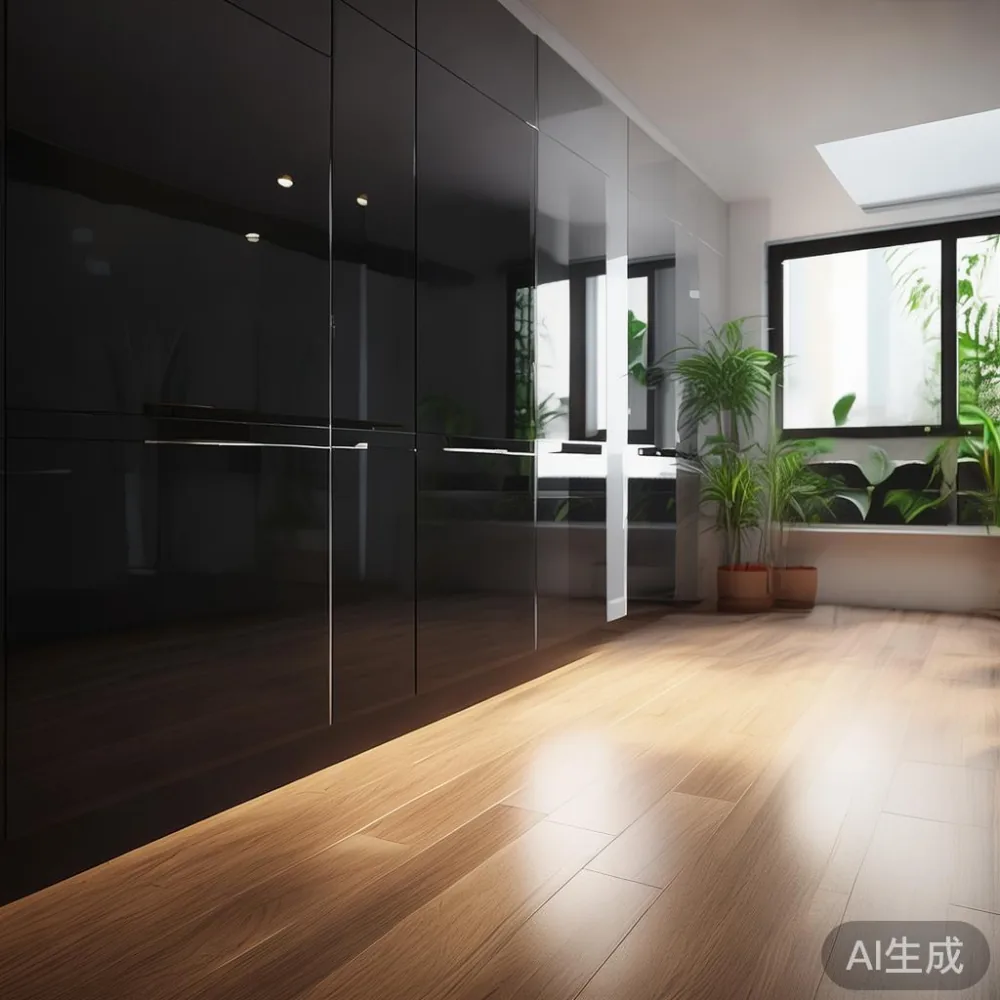
MIDHILL builds lacquered storage pieces for practical spaces, while its solid wood sofa, bed frame, dining table, wardrobe, nightstand, and marble table ranges follow a French light luxury, American light luxury, or post-modern light luxury approach. The same design discipline does not change the basic fact: lacquer is a coated surface, not a waterproof membrane.
This guide explains how to inspect lacquer, control moisture, clean it correctly, and decide when a damaged panel needs attention. Measurements, prices, and examples are expressed for Singapore use, including HDB flats and condos in Tampines, Bedok, and Punggol.
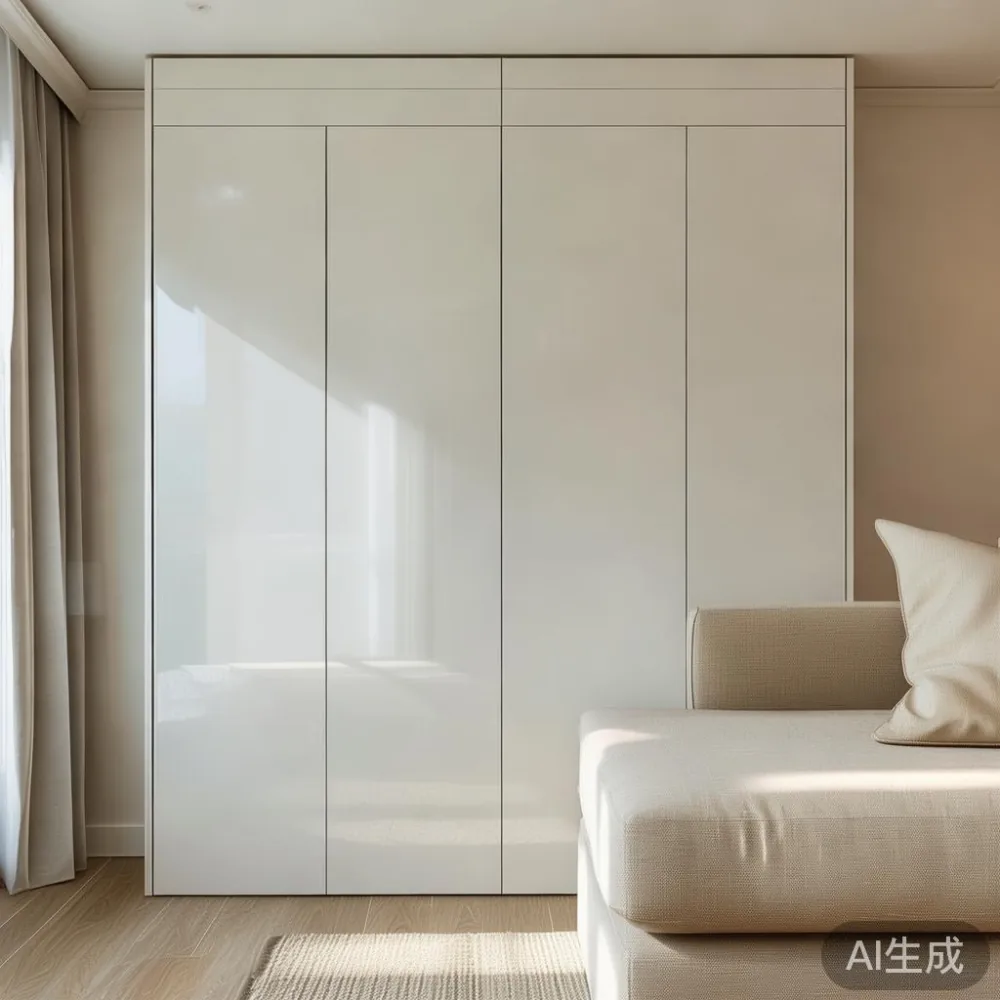
Why does lacquer fail faster in Singapore?
Heat and humidity work together. Singapore’s daytime outdoor conditions can approach 32°C, while relative humidity often reaches 75–90%. A metal cabinet stored near an open window or under a car park can develop fine condensation on its back panel. That moisture may enter a joint or remain beneath a lacquer film, where airflow is limited.
Air-conditioning changes the pattern. Moving a unit from a 26°C bedroom to a 30°C corridor can create surface-temperature differences of 4°C. Repeated expansion and contraction can make lacquer look dull, hazy, or slightly rippled. UV exposure adds another load: direct afternoon sun through a west-facing HDB window can be considerably stronger than light inside a corridor.
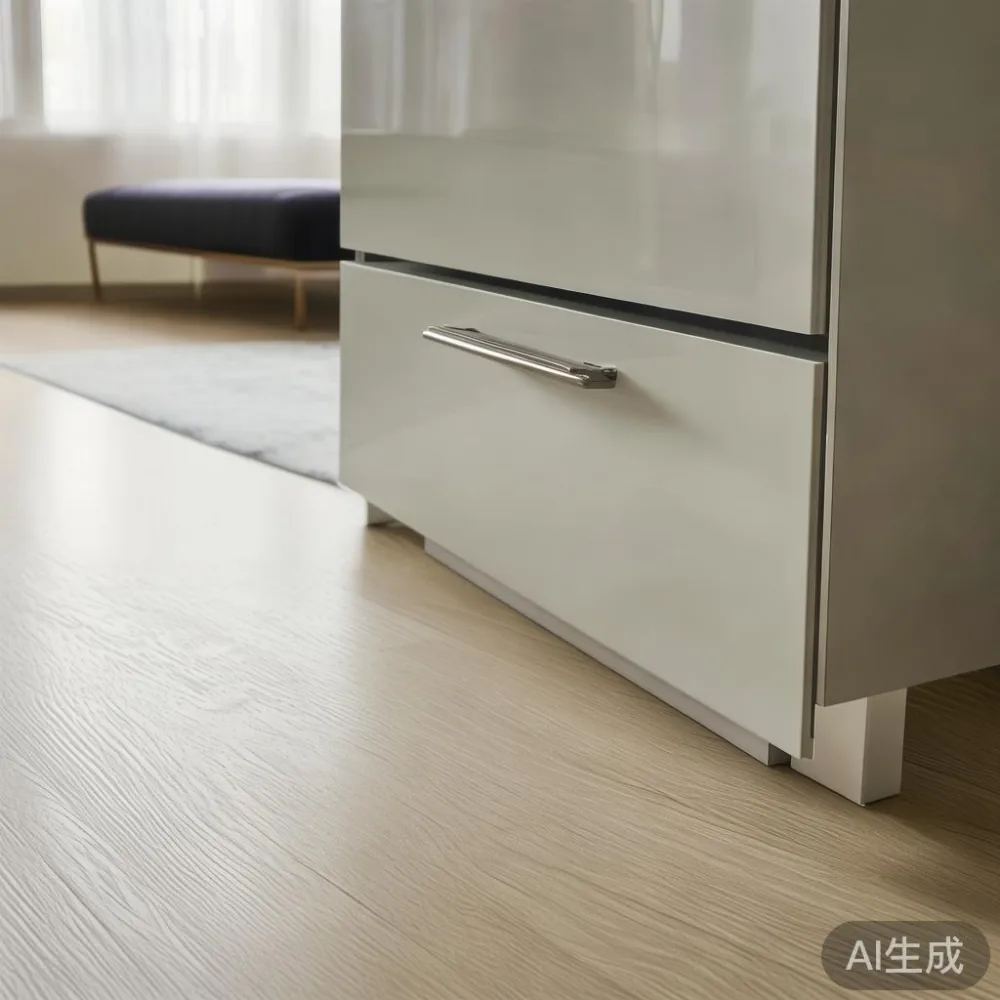
Physical damage often creates the opening that humidity exploits. A trolley wheel striking a cabinet leg, a broom scraping a door edge, or a carton pressed against a side panel can produce hairline cracks. Salt and grit then enter those defects. Garage storage should therefore be treated as furniture with a working coating, not as an indestructible metal box.
What should I check before buying or moving lacquered garage storage?
Measure the installation area before delivery. Check the lift door width, internal lift depth, corridor turns, and stair landing. A common HDB lift may have a door around 90 cm wide and an internal depth near 130 cm, but building-specific dimensions vary. A cabinet measuring 85 cm wide, 45 cm deep, and 120 cm high may fit, while a 100 cm model will not pass through a 90 cm opening without orientation checks.
For flats in Tampines, Bedok, and Punggol, request the building’s access measurements rather than relying on the block number. Confirm whether the route includes a ramp, a 90-degree turn, and a fire door. Allow 2–3 delivery days for normal Singapore orders and 5–7 days for made-to-measure lacquer work. MIDHILL provides free shipping above US$350, although the local checkout shows the payable amount in SGD, including GST where applicable.
At receipt, inspect all 6 faces under light. Look for 3 signs: colour mismatch along an edge, a cloudy patch larger than a 5 cm coin, or a crack that continues across the panel. A small mark may be correctable, but moisture bubbling or a split through multiple layers needs professional assessment.
How do I clean a lacquered surface without damaging the finish?
Use a soft, lint-free cloth, clean lukewarm water, and a pH-neutral detergent diluted to about 1 teaspoon per 500 ml. Wipe the dust away first so grit does not rub across the lacquer. Then apply the diluted solution, remove residue with a second damp cloth, and dry the panel immediately with a separate cloth.
Do not soak a hinge, edge, or joint. Keep water at least 5 cm away from any unsealed opening. Avoid acidic cleaners, bleach, ammonia-based products, alcohol on an unknown finish, abrasive pads, and silicone furniture sprays. They can change gloss, soften the coating, or leave a sticky film that attracts dust.
Clean visible surfaces every 2–4 weeks in a dusty garage. Inside a dry HDB flat, a monthly wipe is usually sufficient. Clean more often near a car park because road film combines with humidity and salt. Never use a pressure washer, even at a low setting of 20 bar; its concentrated jet can force water into joints and peel lacquer.
One real test came from my own visit to a Bedok service yard last month. I brought a lacquered sample panel measuring 60 cm by 40 cm, a soft cloth, and 3 common grime mixtures: dust, a drop of engine oil, and a dried splash of iced water. After 14 days, the oil mark required 2 gentle passes, while the iced-water spot left only a faint ring. That panel had a 3-coat finish; unknown factory finishes can behave differently.
How should I control humidity around garage storage?
Target a relative humidity of roughly 45–65% around lacquered storage, with indoor temperatures near 24–28°C. A digital hygrometer placed beside the unit is more useful than a wall unit in another room. Check it at 8 a.m., 2 p.m., and 10 p.m. for 7 days before deciding whether the location is suitable.
Keep the cabinet 10–15 cm away from an external wall and 20 cm above a floor that floods occasionally. Use a ventilated riser rather than sealing the base against the floor. If condensation appears, move the unit and address the moisture source rather than applying more polish.
A dehumidifier may help in a closed garage. A unit rated for 20–30 litres per day can maintain a moderate room, but running cost depends on electricity tariffs and loading. Use it with a drain hose and an overflow route. Do not place a domestic compressor dehumidifier inside a sealed cabinet; its heat needs room to dissipate.
For a condo parking bay with a ventilation opening, compare conditions before and after a rainstorm. If humidity rises by more than 10% within 1 hour, lacquer should not be the sole protective surface. Powder-coated steel or sealed solid wood construction may suit that location better. MIDHILL’s 10-year structural warranty covers structural integrity, not every cosmetic coating issue caused by damp storage.
What causes lacquer to peel, and how can I prevent it?
Peeling commonly begins with a weak substrate, trapped moisture, an unclean surface, or too many repair coats. It can also follow impact or continuous contact with a damp object. Watch for a crescent-shaped edge lifting by 2–3 mm, a dull halo around a spot, or tiny bubbles that appear during humid weather.
Prevent damage with sensible loading. A cabinet rated for 40 kg should not carry 80 kg of paint tins. Use 2 shelf boards rather than forcing a heavy toolbox onto one panel, and leave a 2 cm gap between stored objects and the lacquered back. Cardboard can transfer moisture and stain, so use sealed plastic bins for tools or seasonal clothing.
Do not stack items directly against the top. Two 25 kg boxes can create more than 500 kg per square metre on a small top panel. Use the mounting hardware supplied with the unit, especially in a high bay where vibration matters.
Can scratches be repaired, or must the whole panel be replaced?
A shallow scratch in a stable finish may be managed with a lacquer repair kit if the colour and sheen match. Test an inconspicuous 2 cm area and allow 24–72 hours for it to cure. Hairline scratches may disappear, but the repair remains part of the maintenance routine rather than restoring the panel to factory-new condition.
Replace a panel when the coating lifts across more than 10% of its face, cracks extend to the substrate, or the exposed area has a powdery or corroded appearance. Deep gouges can admit more water than a surface scratch. In severe cases, refinishing may cost SGD 80–180 per panel, depending on size and access. A complete cabinet refinishing service may range from SGD 350–900.
MIDHILL offers lifetime refinishing, which gives owners a path for restoring eligible furniture over its service life. The scope should be confirmed in writing, especially for garage storage exposed to salt, moisture, or impact. A new sealed top may cost around SGD 120–260 for a cabinet measuring 80 cm wide by 45 cm deep.
How do I fit lacquered garage storage into a light-luxury home?
Light-luxury storage can work well in an HDB flat when its proportions are disciplined and its finish reflects the home rather than the garage. A low cabinet with restrained hardware can hold shoes beside an entryway; a tall unit can organise deliveries in a utility corner. Avoid making the garage piece compete with a French light luxury solid wood sofa or an American light luxury bed frame.
For a bedroom arrangement, coordinate a lacquered storage bench with a bed frame and nightstand rather than matching every surface exactly. A post-modern light luxury dining table can share pale woods and dark metal details, while a marble table should not sit beside a lacquer panel that receives regular condensation; marble does not need moisture protection, but nearby moisture can still affect other furniture.
Designers searching for french sofas for sale, a Modern light luxury dressing table, or options described as American for guest room may use the same neutral palette. Keep the garage unit visually quieter: one wall colour, 2 handle finishes at most, and concealed cable routing.
A narrow flat may also be considering cheap Mid-century modern furniture for a rental property, but the low purchase price does not reduce the need for moisture control. Check dimensions before choosing. A 40 cm-deep cabinet can fit beside a dining table, while a 55 cm-deep model may crowd a corridor under 100 cm.
What are the best practices for a French provincial bed in an apartment near garage storage?
When working out how to style French provincial bed in apartment layouts, keep the lacquered storage unit outside the bedroom if damp conditions are recorded. Place the bed at least 60 cm away from an exterior wall, leave 70–90 cm beside each long side where circulation allows, and avoid pushing its headboard against a cold surface.
A French provincial bed has shaped timber details that can look plain if paired with an industrial cabinet in a random finish. Choose a warm solid wood frame, muted woven textiles, and simple storage elsewhere. A garage storage bench may serve as a laundry perch or shoe station without becoming the bedroom’s focal point.
For shoppers comparing the best European bed for 2026, test stability, dimensions, and material rather than relying on a trend label. A queen bed commonly measures 152 cm by 203 cm, so a 150 cm-wide room leaves almost no side clearance. Confirm lift and corridor measurements before the bed frame is delivered. Installation usually needs 20–30 minutes with 2 people and a hex key.
How often should lacquered garage storage be inspected?
Run a 10-minute inspection every month. Wipe the top, look behind the unit, and check the bottom 3 cm of side panels for dampness. After heavy rain, inspect within 24 hours. At least once each year, tighten visible fasteners, check door gaps, and move lightweight items so the cabinet’s back can dry.
Keep a maintenance record with dates, humidity readings, and products used. A simple 3-column sheet is enough. Photograph any scratch beside a ruler so its size can be tracked. This helps distinguish impact damage from coating failure and gives a refinishing technician useful evidence.
Let products acclimatise before assembly. Solid wood components may change dimension by 1–3% as humidity changes, while lacquered panels can react more visibly at damaged edges. Do not install a newly delivered cabinet against a wet wall or immediately below a leaking pipe.
Which lacquer finish is easier to maintain in a tropical climate?
Compare sheen, coating system, edge sealing, and substrate. A higher-solids finish with properly sealed edges usually tolerates humid use better than a thin decorative layer, but product labels do not disclose everything. Ask for a sample, test it with water and oil for 72 hours, and inspect the edges under angled light.
White and cream lacquer show yellowing less clearly than some pale shades but reveal greasy fingerprints. Dark lacquer shows scratches and dust. Satin finishes can be forgiving in a garage; high-gloss surfaces show orange peel, haze, and moisture marks. Use the same cleaning method across all panels, and avoid mixing branded polish with an incompatible solvent.
For deliveries, expect a fee of SGD 29–69 within Singapore, with larger or upstairs deliveries quoted separately. Choose a date when someone can receive the unit. The company accepts returns within 14 days under its stated policy, but outdoor use after delivery may affect return eligibility. The firm has exported to more than 15 countries since establishing in 2008, yet local climate and access still determine each installation.
What should I do if lacquer is already peeling?
Stop the source of moisture, empty the affected compartment, and dry it gradually at 26–29°C with airflow. Do not scrape the loose coating aggressively or heat the panel with a hair dryer. Put detached items on a clean tray and keep them at least 1 m from the damaged area.
If the peel covers less than 10% and the panel is stable, clean it, apply a compatible repair lacquer, and allow 72 hours before loading. For larger damage, remove loose material with fine abrasives, clean the dust, seal bare wood or metal as specified, apply primer, and add 2 thin finish coats. Each coat should dry for the maker’s stated interval rather than being hurried.
Professional treatment is sensible when the substrate is rusting, the panel bows by more than 5 mm across its width, or edges are splitting. This is also the point to contact MIDHILL about lifetime refinishing. Include photographs, dimensions, and the cabinet’s humidity history. A clear repair record protects the appearance of the garage storage and helps it remain part of a carefully planned Singapore home rather than a neglected utility object.