Lacquered Wood in a Tropical Garage: Care Without Compromise
Singapore’s humidity can make lacquered furniture look dull faster than many owners expect. In a HDB flat in Tampines, a lacquered wardrobe may face 28–32°C temperatures, 65–85% relative humidity and frequent changes caused by an open service yard or corridor. Bedok’s sea breezes, Punggol’s afternoon showers and condensation in an enclosed garage can all affect a finish over time.
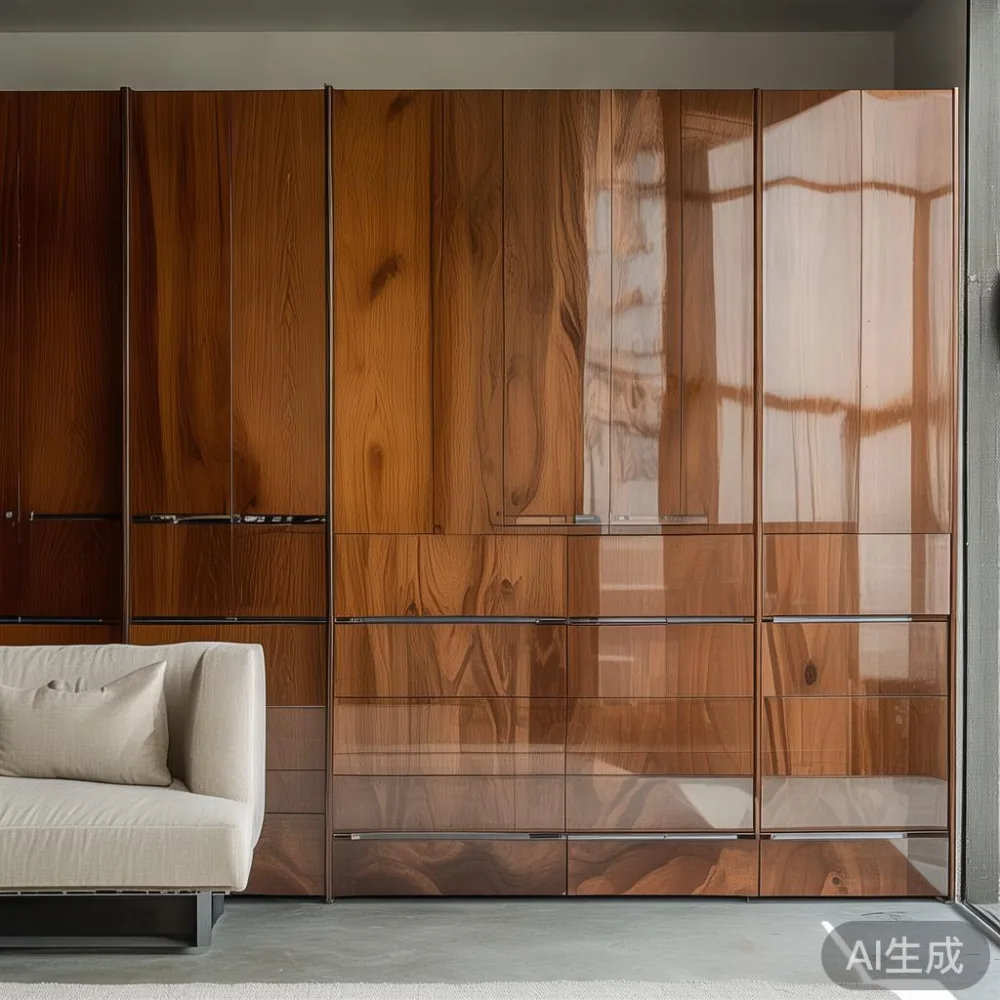
This guide explains how to care for lacquered surfaces without turning maintenance into a full-time chore. It applies to lacquered solid wood furniture and lacquered fronts on a solid wood sofa, bed frame, dining table, wardrobe or nightstand. For buyers comparing for sale Coastal furniture or for sale Japanese furniture, the finish should be treated as part of the design, not as a decorative layer that can be ignored. A marble table needs different care, but its wooden base can still be protected with the same humidity discipline.
MIDHILL makes lacquered pieces for interiors where restrained American light luxury meets practical tropical living. The care method below is designed around real homes, including the narrower lifts and common corridors found in Singapore.
Why does lacquer react to Singapore’s humidity?
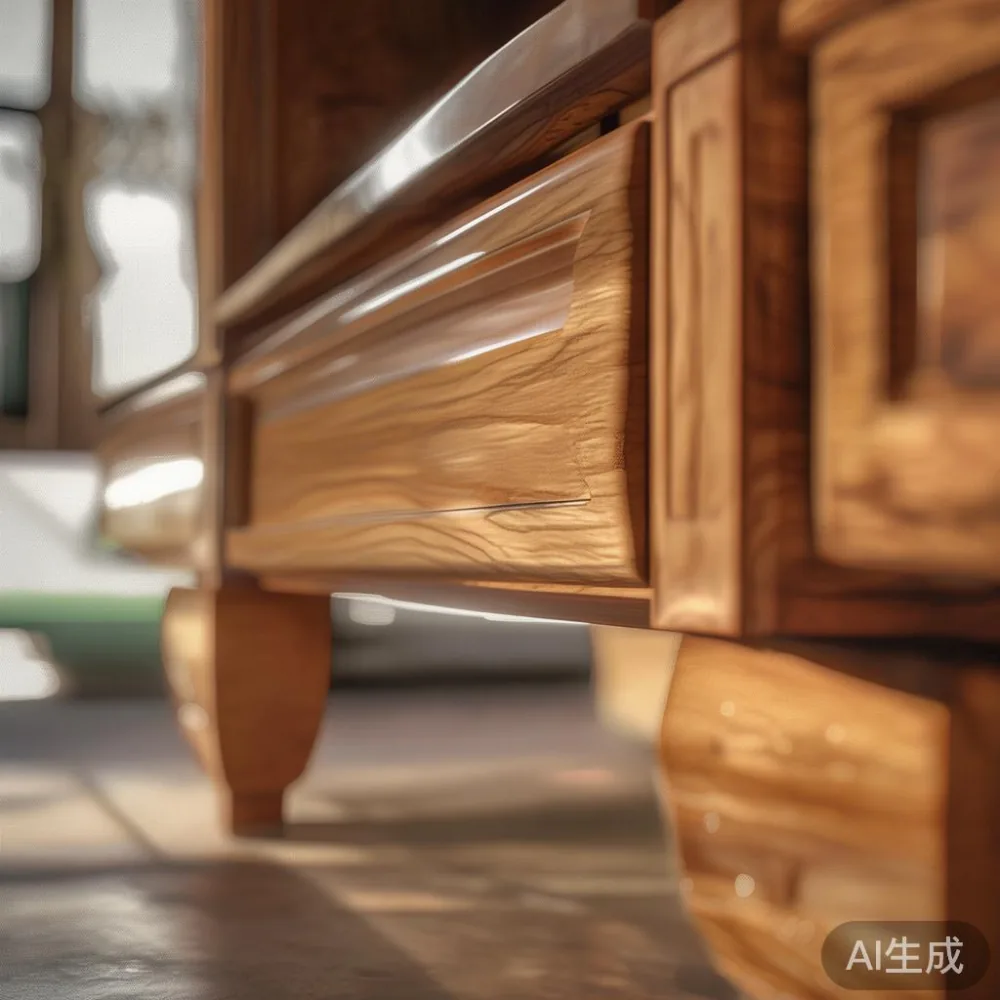
Wood naturally exchanges moisture with the surrounding air. As relative humidity rises, the surface can absorb moisture; when the air dries, it can release some of that moisture. Lacquer slows this movement, but it does not make a wooden panel immune to temperature swings, standing water or repeated pressure.
The most common problems are haze, sticky fingerprints, small scratches, water marks and fine cracking around edges. These marks are often mistaken for poor cleaning, yet a microfibre cloth dampened with too much water can create the very cloudiness the owner is trying to remove. A household aerosol may also leave a film that attracts dust in a garage-storage area.
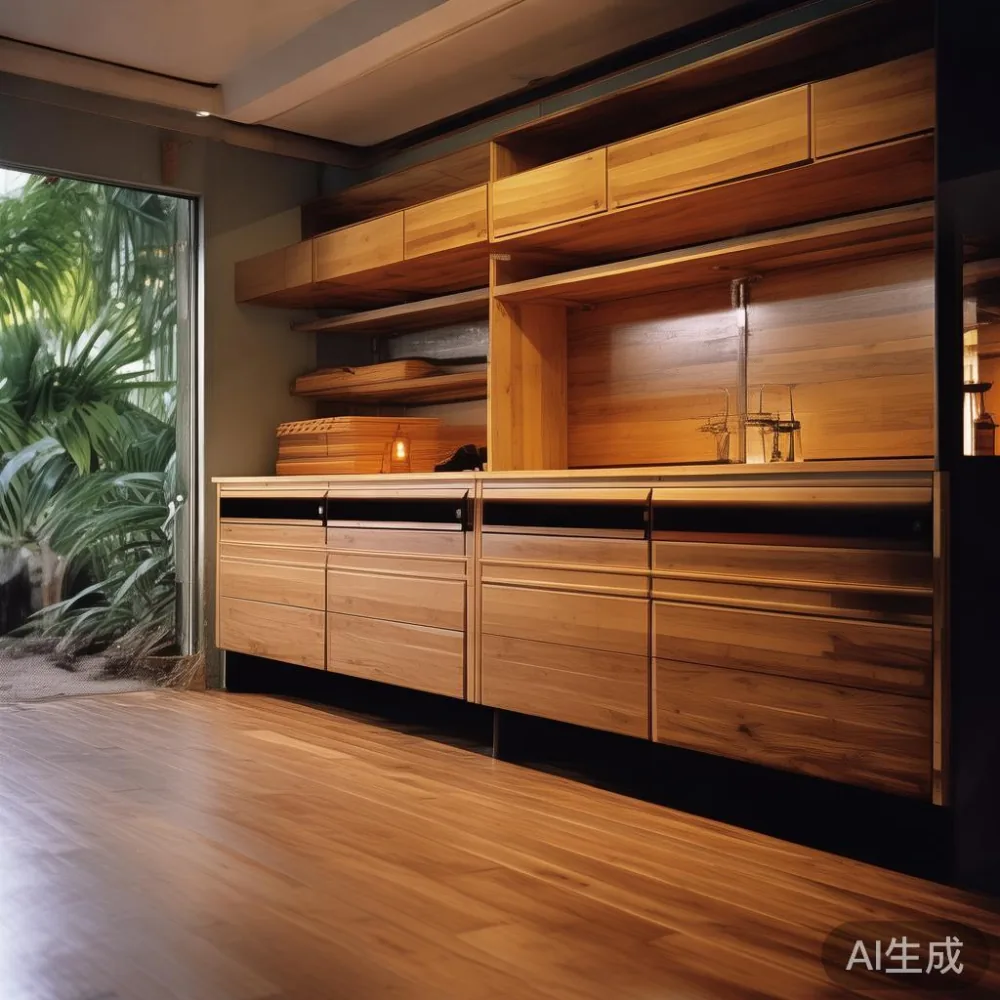
Keep the finish away from direct rain. In a typical Singapore garage-storage zone, maintain at least 30 cm between a lacquered cabinet or wardrobe and a hot wall, 60 cm from a vehicle exhaust or heat source, and 15 cm from the floor if damp air is a concern. Do not place a lacquered nightstand beneath a leaking pipe, air-conditioner drip line or open window during a thunderstorm.
Temperature alone is less damaging than rapid cycling. Try to keep the furniture within roughly 5°C of the surrounding room and avoid moving a lacquered bed frame from an air-conditioned bedroom to a hot utility corridor several times a week. A stable environment matters more than chasing a perfect reading on one afternoon.
How should I clean a lacquered surface safely?
Start with a dry, clean microfibre cloth. Wipe gently in the direction of the grain or across a flat panel, using about 5–10 kg of light pressure. More force does not improve the result and can create hairline marks on some lacquer systems.
For ordinary dust, use a lightly damp cloth. The cloth should feel cool, not wet; excess water should be able to run off before it touches the furniture. Wring it until no droplets form, then test an inconspicuous 5 cm × 5 cm area for 10 minutes. Dry immediately with a second cloth.
Clean once every 7–14 days in a visible room, and every 2–4 weeks in a sheltered garage-storage area. Dust contains grit, and grit rubbing under a cloth is a frequent source of fine scratches. Vacuum nearby floors first so particles are not drawn across the lacquer.
For fingerprints, dilute a small amount of mild dish soap in 1 litre of water. Apply only to the cloth, never pour it onto the panel. Use fewer than 5 drops for ordinary cleaning, then wipe with a clean damp cloth and finish dry. Avoid bleach, ammonia, alcohol, abrasive pads, scouring powder and furniture polish unless the lacquer manufacturer specifically approves them.
On a lacquered dining table, clean spills within 5 minutes. Blot from the outside of the mark toward the centre. Do not scrub a tea, soy-sauce or water ring. A lacquered marble table is different: use a pH-neutral stone cleaner and never mix acidic lemon juice with alkaline soap.
What should I do about scratches, haze and peeling?
Small marks should be addressed before they become broad dull areas. For a fresh fingerprint, the dry-cloth method often works. For haze, repeat the mild-soap process and allow the surface to dry for 30 minutes in a ventilated, shaded room. Do not place the item in direct sunlight while damp.
If a scratch exposes wood, resist the urge to paint over it with a household lacquer. Colour, sheen and chemical compatibility can differ. Photograph the affected area in daylight, measure the damaged section, and ask the supplier or refinisher for guidance. A scratch shorter than 2 cm may be handled with a careful touch-up; a 10 cm split, lifting edge or widespread bare wood needs professional assessment.
Peeling, bubbling or a soft patch can indicate moisture trapped beneath the finish. Stop wet cleaning, improve ventilation and keep the panel away from damp walls. Do not wrap it in plastic for 24 hours, because trapped moisture can worsen the problem. Move only a lightweight nightstand; a 40–60 kg wardrobe should remain in place unless a professional advises otherwise.
For furniture purchased from MIDHILL, use the 10-year structural warranty to discuss any genuine construction issue, while distinguishing structural movement from ordinary surface wear. The lifetime refinishing service can also help determine whether a lacquered panel needs cosmetic restoration. Confirm scope, transport and service timing before arranging work, particularly for a HDB unit where lift dimensions may affect removal.
How can I prevent humidity damage in a garage-storage area?
Garage storage should be planned around air movement. A lacquered cabinet stored against an exterior wall may see more condensation than one placed on a stable internal rack. Leave 5–8 cm between stored boxes and lacquered panels, and keep cardboard, damp towels and cleaning chemicals away from the surface.
Use a hygrometer if the area is difficult to monitor. Aim to reduce sustained readings above roughly 80% relative humidity where possible. A small fan running for 30–60 minutes after rain can remove damp air without directing dust straight onto the furniture. Avoid a heater directly beneath the wood; warmth combined with condensation can cause finish movement.
For a solid wood sofa or solid wood bed frame, do not press the mattress or cushions tightly against a lacquered headboard for long periods. Leave approximately 3 cm of clearance where the design allows it. For a wardrobe, keep doors closed during a sudden downpour, but open them briefly after ventilation improves so trapped humidity can escape.
Protect the floor too. A rubber or felt pad under each leg can prevent movement and moisture transfer, but use a pad no smaller than 4 cm × 4 cm for a stable nightstand or 6 cm × 6 cm for a heavier dining table. Replace a soaked pad within 24 hours.
Which style should I choose for a humid, compact home?
Design affects care because thicker profiles, deep frames and many polished surfaces collect more fingerprints than simple planes. A Modern light luxury bed with clean lacquered panels can suit a Punggol bedroom if the finish is protected from condensation. A French provincial sofa with carved wood and a soft upholstered body may need different humidity care, so compare materials rather than relying on a style label alone.
For shoppers asking about light luxury sofa vs French provincial sofa, compare frame depth, cushion coverage, wood exposure and maintenance access. For European light luxury sofa vs Modern sofa, consider how many lacquered surfaces are reachable and whether the base can be moved without scratching a floor. Japanese sofa vs French provincial sofa is also a practical comparison: a compact low-profile design may suit a narrow HDB living room, while a larger carved base needs more turning space.
French light luxury often works well in a condo where straight lines, pale woods and a calm finish suit the architecture. Post-modern light luxury can use controlled contrast, but avoid placing a dark lacquered dining table beside a permanently damp service yard wall. Before searching for for sale Japanese furniture, for sale Coastal furniture or a lacquered wardrobe, measure the lift door, corridor turn and room route.
A useful Singapore checklist is simple: check the lift width against the furniture width, add at least 10 cm for handling, measure the corridor turns and confirm the delivery route with the building manager. A 120 cm corridor may allow a 95 cm piece to pass straight through, but a sharp 90° turn can require a narrower angle or partial assembly. Plan for 1–3 delivery days within Singapore when stock and access are confirmed, and ask about a longer lead time during peak renovation periods.
How often should lacquer be inspected, and what should delivery include?
Inspect lacquer every 3 months in a frequently used room and every 6 months in a dry indoor storage area. Look for changes in sheen, lifting edges, water spots and new scratches under angled daylight. Do not use a phone flashlight at close range for more than 2 minutes, because heat is not a reliable test for lacquer quality.
Ask the supplier whether the lacquer is water-based, solvent-based or a factory-applied conversion finish. The answer affects approved cleaners and repair methods. Request a sample, 5 cm × 5 cm if possible, and test it on the less visible side of a piece before buying. Keep the sample for 30 days in the intended room so humidity and light can provide a fair comparison.
Confirm whether free shipping applies above US$350, because the offer is stated in US dollars while Singapore purchases are normally priced in SGD. Check the seller’s local conversion, GST treatment and final amount before payment. A product listed at SGD 1,280 may have GST added according to the seller’s documentation; ask for the total rather than estimating from an online listing.
Check delivery protection at the doorway. For a lacquered dining table, record the top, corners and base in photographs. For a wardrobe, photograph both sides, shelves and doors. Take 6–8 images before the driver leaves, then keep them for 7 days after receipt.
What is the safest way to move lacquered furniture?
Prepare the route before lifting. Measure the lift door, landing, corridor and bedroom doorway, allowing 10 cm of extra width for gloves and turning. Remove door handles only if the supplier approves it, wrap each exposed corner with foam, and protect lacquered panels with a clean blanket or cardboard—not ordinary packing tape.
Use at least 2 people for a 30–50 kg bed frame or dining table. Carry the furniture upright where practical and avoid dragging it across a tiled floor. A 1 mm felt pad under each base can reduce vibration, but remove any pad that becomes wet. Allow newly delivered furniture to acclimatise for 24–48 hours before tightening small fittings or placing heavy objects inside.
MIDHILL’s export experience across 15+ countries is useful here because packing methods must survive heat, humidity and long transport routes. The same discipline applies in Singapore: stable packing, clear measurements and careful handling protect a lacquered finish before it reaches the garage-storage area.
Set a reminder for the first inspection 90 days after delivery. If the surface remains cool to the touch, free of film and free of visible lifting, continue the 7–14 day cleaning routine. If humidity repeatedly exceeds 80%, improve air circulation before reaching for a stronger chemical. That measured approach keeps lacquered furniture attractive for years without confusing normal care with a defect.