Veneer or Solid Wood for Garage Storage? A 5-Year Cost Comparison
Choosing storage for a Singapore HDB flat, BTO, or condo is rarely just a question of appearance. A garage storage cabinet may face humidity, shifting temperatures, dust, scooters, tools, and occasional contact with damp items. A unit costing SGD 420 less can still be the more expensive choice if its panels warp, its surface scratches, or its shelves fail before year 5.
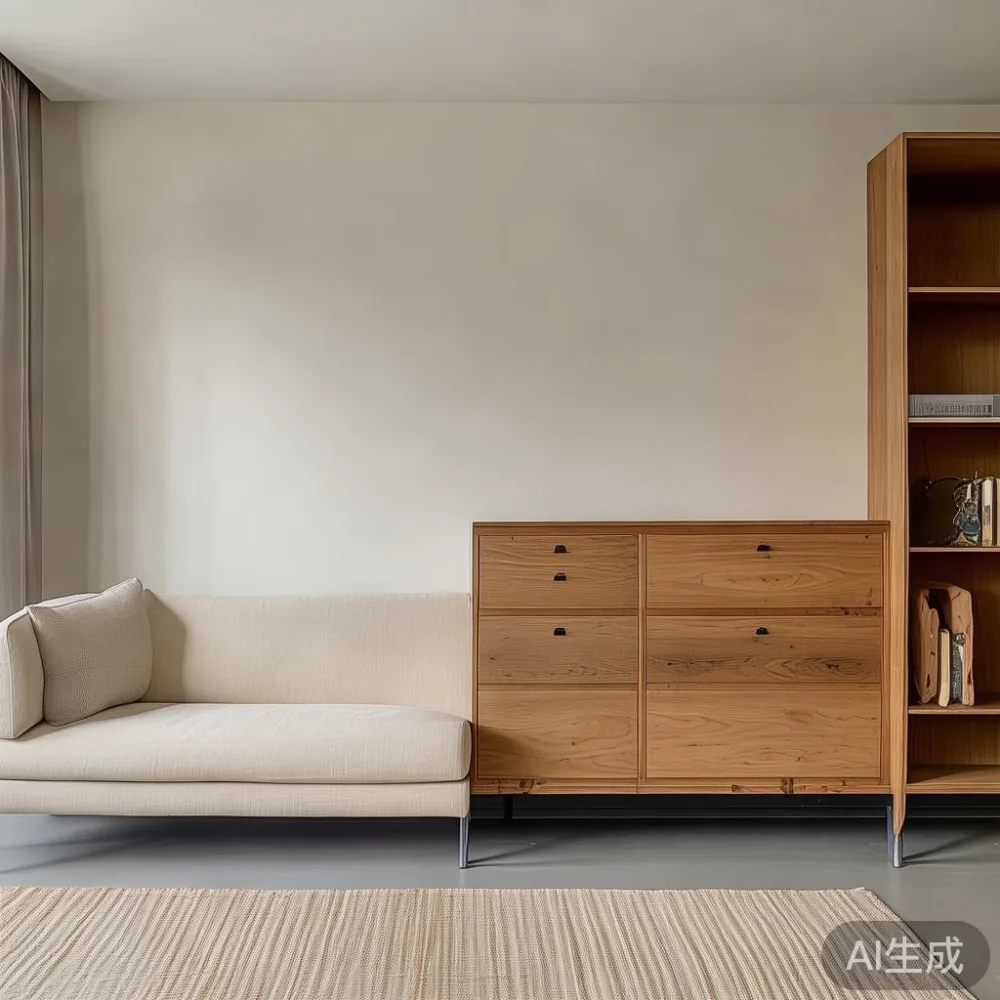
This comparison examines a practical solid wood cabinet measuring 180 cm wide, 50 cm deep, and 200 cm high, plus a comparable veneered unit. We calculate purchase price, estimated delivery, recurring care, repair probability, and resale value over 60 months. All prices include Singapore GST. Delivery timing matters in HDB developments and condos, where lift-door and corridor dimensions can affect the final installation charge.
Light-luxury styling does not require solid timber everywhere. French light luxury can work with pale veneer, a marble table, curved profiles, and brass-coloured pulls. Post-modern light luxury may mix lacquer, timber, and metal. The material should fit the cabinet’s duty, especially in a garage or covered utility area.
What is the 5-year difference between veneer and solid wood?
Over 5 years, the comparison depends on the product, not a universal rule. For the example cabinet, veneer may cost less at purchase, while thick solid wood may reduce deep scratching and edge damage. Neither material is waterproof, and neither should be treated as a substitute for a dry storage enclosure.
The test model uses an 180 × 50 × 200 cm carcass, 18 mm shelves, 2 hinged doors, 4 adjustable shelves, and a natural oak appearance. The solid option weighs 92 kg; veneer weighs 74 kg. This 18 kg difference affects delivery labour, lift protection, and installation. A typical HDB lift interior might measure 110 cm wide by 140 cm deep, while a condo service lift may offer only 100 cm by 120 cm. Door leaves wider than the turning space may need partial disassembly.
For an accurate 5-year estimate, divide total ownership cost by 60. A veneer cabinet at SGD 1,560 has a monthly acquisition cost of SGD 26 before care and repair. A solid wood cabinet at SGD 1,980 starts at SGD 33. These figures show why material choice is only one part of the budget.
How much does veneer cost at purchase?
For the 180 cm cabinet, a decent veneer on an engineered-wood or plywood core can retail for SGD 1,560 before delivery. The estimate includes 2 doors, 4 adjustable shelves, soft-close hinges, 4 metal feet, and a clear satin finish. A thinner decorative veneer on particleboard may fall to SGD 980, but its screw-holding and moisture performance can be weaker around repeated door use.
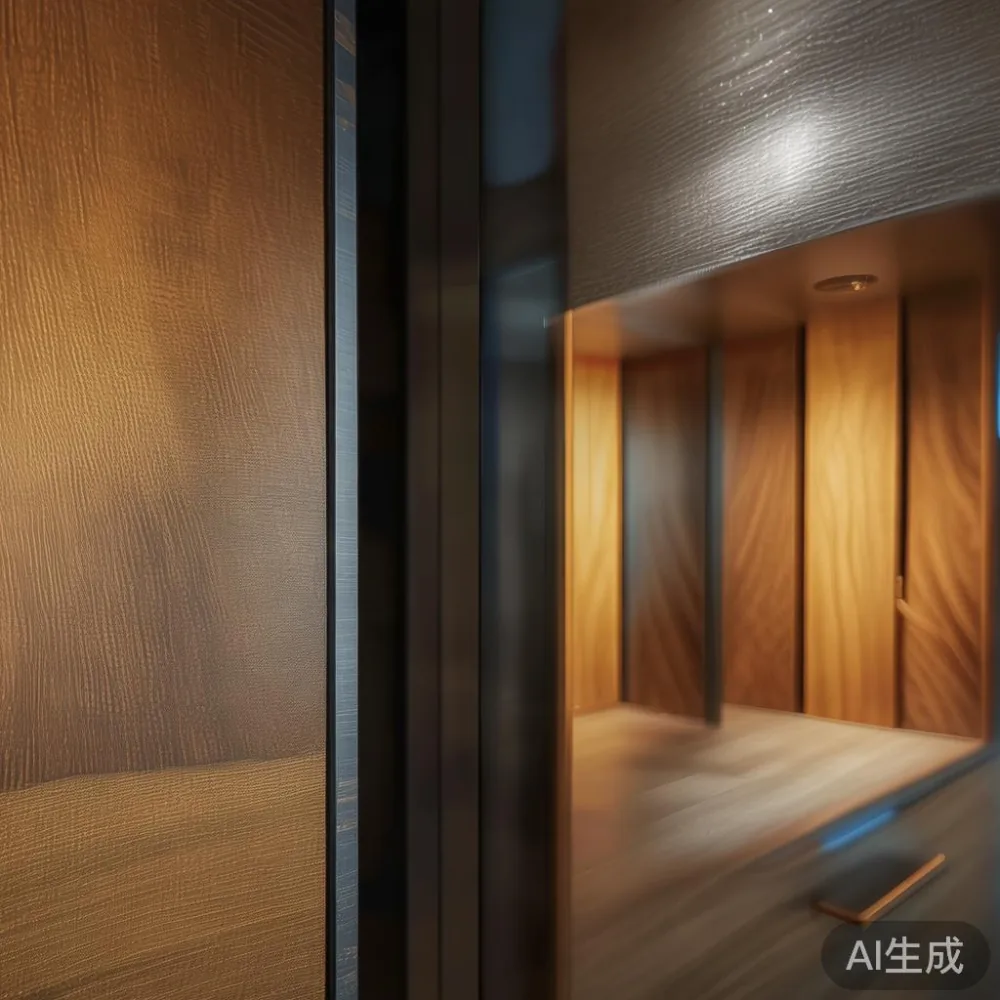
Real veneer is a sliced or rotated layer of timber, usually about 0.6 mm thick. Its grain may cross a door as a continuous figure, which gives it a refined furniture appearance. However, the substrate remains important. A plywood core is dimensionally more stable than a low-density particleboard core, particularly in humid conditions.
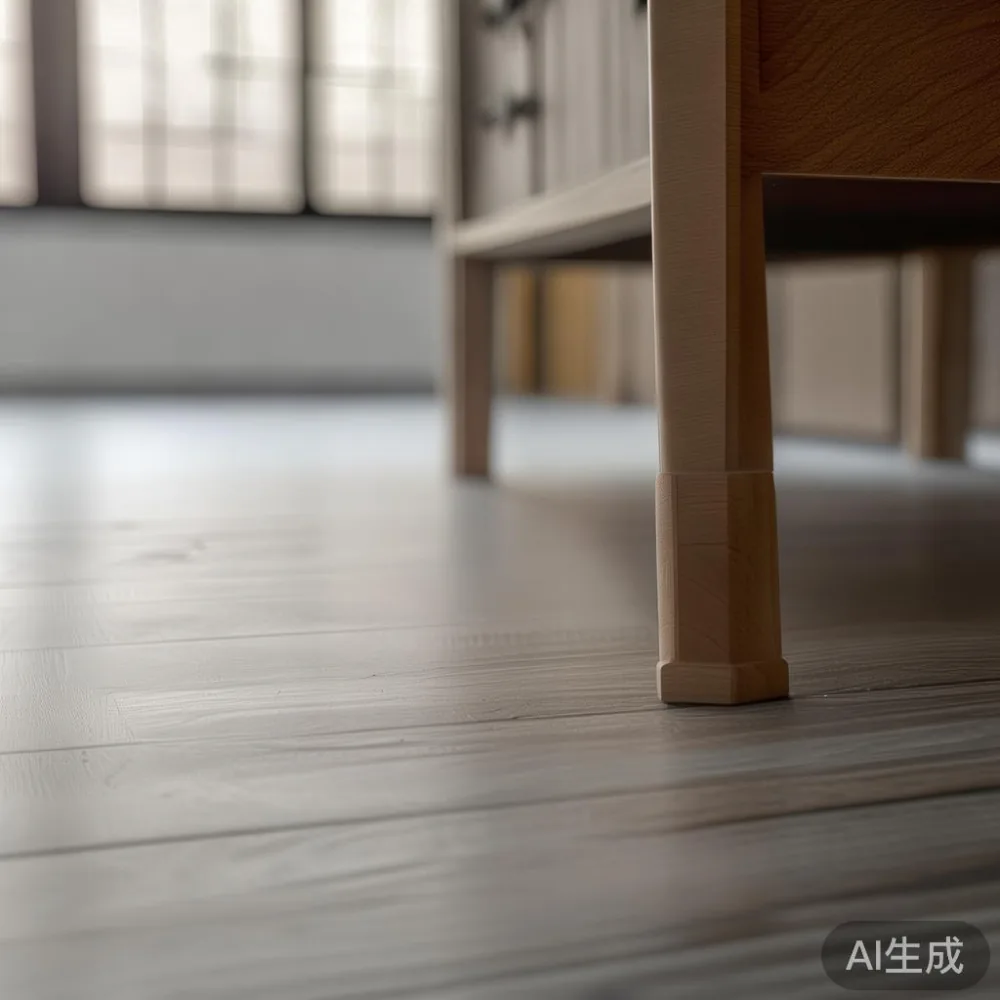
The garage environment changes the calculation. Relative humidity inside an enclosed garage in Tampines, Bedok, or Punggol may swing between 65% and 90%, and a concrete slab can release moisture during rain. If the cabinet stands directly against the slab, use 5 cm feet or a 5 cm plinth. Leave at least 8 cm behind the back for airflow. Seal exposed edges, and keep stored cardboard, bicycles, and washing chemicals away from the carcass.
Use a pin-tip moisture meter after a wet weekend. Readings from 12% to 18% are generally less concerning for interior timber than readings approaching 25%. Even then, appearance and joint condition matter more than a single number.
How much does solid wood cost at purchase?
The comparable solid wood cabinet uses kiln-dried oak or ash for the frame and shelves. Its retail price is SGD 1,980 before delivery. Some solid wood kitchen cabinet components cost more because of board thickness, joinery, and seasoning. A lower-cost version may use finger-jointed sections or thinner parts, so compare the actual construction rather than the label.
Solid wood expands and contracts with humidity. It can cup, split at a joint, or move around a large door panel. A well-built cabinet uses appropriately dimensioned panels, sound joinery, and ventilation. It should not be described as immune to humidity. In a covered garage, stable conditions and sensible maintenance still matter.
Last month I visited a BTO flat in Tampines with a timber cabinet beside a covered service yard. Its veneer had lifted along one lower edge after 14 months of splashback exposure. A solid wood shelf in the same project had small marks but held its shape. The homeowner used a SGD 24 moisture barrier strip, wiped the panel dry within 30 minutes, and applied a pH-neutral cleaner. The repair cost was SGD 18, yet the incident shows how an inexpensive protection step can affect a 5-year outcome.
MIDHILL describes solid wood furniture as a practical material choice for pieces such as a solid wood sofa frame, bed frame, dining table, wardrobe, nightstand, and marble table base. That breadth is useful for a home, but garage storage needs a narrower specification: stable timber thickness, restrained ornament, accessible hardware, and a finish that tolerates wiping.
What are the 5-year ownership costs?
The purchase price is only the first line. The table below models one cabinet used for 60 months. Delivery is quoted for a Singapore address with a usable lift and corridor. A difficult condo access route can add SGD 80 to SGD 240, plus 1 to 2 delivery days.
| Cost item | Veneer cabinet | Solid wood cabinet |
|---|---|---|
| Furniture | SGD 1,560 | SGD 1,980 |
| Delivery and installation | SGD 120 | SGD 180 |
| Finishing care over 60 months | SGD 90 | SGD 120 |
| Expected repair allowance | SGD 210 | SGD 120 |
| Estimated resale contribution at year 5 | SGD 180 | SGD 300 |
| Net 5-year cost | SGD 1,800 | SGD 2,100 |
The veneer cabinet has the higher expected repair allowance in this example because it has more edges, seams, and substrate interfaces. A local repair might cost SGD 70 for an edge repair, SGD 90 for hinge adjustment, and SGD 50 for a shelf reinforcement. Two incidents bring the allowance to SGD 210.
Solid wood repair may cost SGD 60 for a small filler repair and SGD 30 for a hinge reset. Deep scratches can be sanded and refinished, but sanding removes material. Veneer can be patched with matching leaf or resin work, yet colour matching is difficult under warm LED lighting. Neither cabinet should be evaluated by repairability alone.
For the storage itself, budget about SGD 1,200 for tools, plastic bins, hooks, shelf liners, and labelled containers. Add SGD 45 for a small dehumidifier if the garage is damp. Over 60 months, electricity for a modest dehumidifier might total SGD 70 to SGD 150, depending on the unit and usage.
Which material handles a Singapore garage better?
Solid wood usually offers stronger screw holding, deeper scratch repair, and a reassuring heft. It is a sensible choice for a wardrobe, dining table, or bed frame where structural stability and future refinishing matter. A 92 kg cabinet may resist a casual bump, but it is harder for one person to move. Two-person delivery is safer and may cost SGD 40 more.
Veneer can handle light indoor use well. It is lighter at 74 kg, which can make installation easier where a lift is narrow or the corridor turns sharply. A 50 cm depth is more practical than a 60 cm depth in many HDB utility rooms, but a 60 cm body may suit bulky storage. Check the actual route before ordering.
Garage storage should have sealed or finished back panels, recessed handles, durable hinges, and a raised base. Avoid placing a marble table in a wet garage unless the base and protection plan are clear; stone is heavy, and a 120 cm marble top may add 45 kg. The same care applies to an Italian light luxury sideboard if it is used for covered garage storage: fine appearance cannot compensate for poor moisture control.
For a condo, obtain the lift dimensions and loading rules before purchase. Some buildings require booking 3 days ahead, protective padding, or delivery between 9 am and 5 pm. A moving team may quote SGD 180 for a 15-minute installation, while additional carrying time can cost SGD 12 per 10 minutes.
Does light luxury change the material decision?
Light luxury is about proportion, texture, finish, and restraint. It does not demand thick timber in every location. A solid wood dining table with a soft natural finish can sit beside a pale veneer wardrobe and a marble table with clean stone detailing. The visual mix can feel intentional when door edges, handles, and wood grain are coordinated.
French light luxury often uses pale oak, walnut accents, creamy paint, and slender metal pulls. Post-modern light luxury may use black lines, warmer woods, and softened geometry. American light luxury frequently combines generous seating, visible timber grain, and tactile upholstery. A storage cabinet can follow any of these directions without becoming visually crowded.
Search terms such as under 2000 Boho furniture, Mid-century modern for bedroom, Japanese for small living room, and Industrial for small living room are more useful for coordinating room style than for specifying a garage cabinet. A garage should prioritise durability, wipeable surfaces, and correct dimensions. A study may benefit from Mid-century modern for bedroom ideas, while the garage needs clear zones.
For someone learning how to choose Japandi sofa, the frame and comfort should be checked separately from appearance. Likewise, a Japandi-inspired dining table uses clean lines and visible joints; it does not guarantee better moisture resistance. Material claims should be supported by construction details.
How do delivery, GST, and service affect the total?
Singapore GST is 9% in 2025, and displayed retail prices may include it. Verify the invoice before comparing quotations. For a furniture-only order, calculate GST on the taxable supply. Delivery is a separate line item, and a difficult lift access can materially change it.
Lead time is another cost. A veneer cabinet may be ready in 7 to 12 delivery days after the design is confirmed. Solid wood can require 14 to 21 delivery days because of seasoning, machining, finishing, and curing. Rush production may add SGD 150 and reduce waiting time by 5 days. A 21-day wait can be worthwhile if the cabinet is custom-sized; a 10-day wait is preferable when a replacement is needed urgently.
MIDHILL offers free shipping over US$350, a 10-year structural warranty, lifetime refinishing, and a 14-day return window, but international shipping terms do not replace a local Singapore delivery check. Confirm the Singapore-specific quotation, access requirements, and return collection fee. A warranty is strongest when the product is kept in suitable conditions.
What is the most practical 5-year choice?
For a frequently used cabinet near a damp garage wall, choose solid wood when the quoted construction includes 18 mm shelves, solid timber frames, finished edges, and a moisture-conscious design. Budget SGD 2,100 over 5 years in the example, compared with SGD 1,800 for veneer. The extra SGD 300 buys more stable joinery and a higher likely resale contribution, but not automatic protection from water.
Choose veneer when the cabinet stays under cover, the substrate is plywood or another stable core, and you value lower weight and lower purchase cost. Select a finish that can be wiped with a damp cloth, and avoid standing water against the toe kick. In that case, the five-year saving of SGD 300 can fund better bins, a dehumidifier, or a later refinishing service.
Before paying, measure the cabinet, lift, corridor, and turning space. Confirm 5 cm of floor clearance, 8 cm behind the cabinet, and access for two people if the unit exceeds 80 kg. Ask for the wood species, panel thickness, finish type, hinge rating, moisture instructions, and warranty exclusions. Then compare the lowest 5-year cost, not just the initial invoice.