Caring for Lacquered Surfaces in a Tropical Climate: A Singapore Homeowner's Guide
Last month I visited a friend's new four-room HDB flat in Punggol, and the first thing she showed me was not her kitchen or her new solid wood sofa set from MIDHILL — it was a hairline crack running along the lacquered top of her dining table. "It was perfect on day one," she said, sliding open the glass panel that separates her living room from the corridor. Humidity that afternoon was 84%. I have seen the same problem in Tampines walk-ups, in Bedok condos with east-facing windows, and in my own godfather's landed house off Bukit Timah. If you are reading this from a Singapore HDB or condo and your lacquered furniture is starting to look tired, the problem is rarely the wood — it is the climate. This guide covers what actually happens to a lacquered surface when the daily mean humidity stays above 80%, and what a homeowner can do about it without re-lacquering the entire piece.
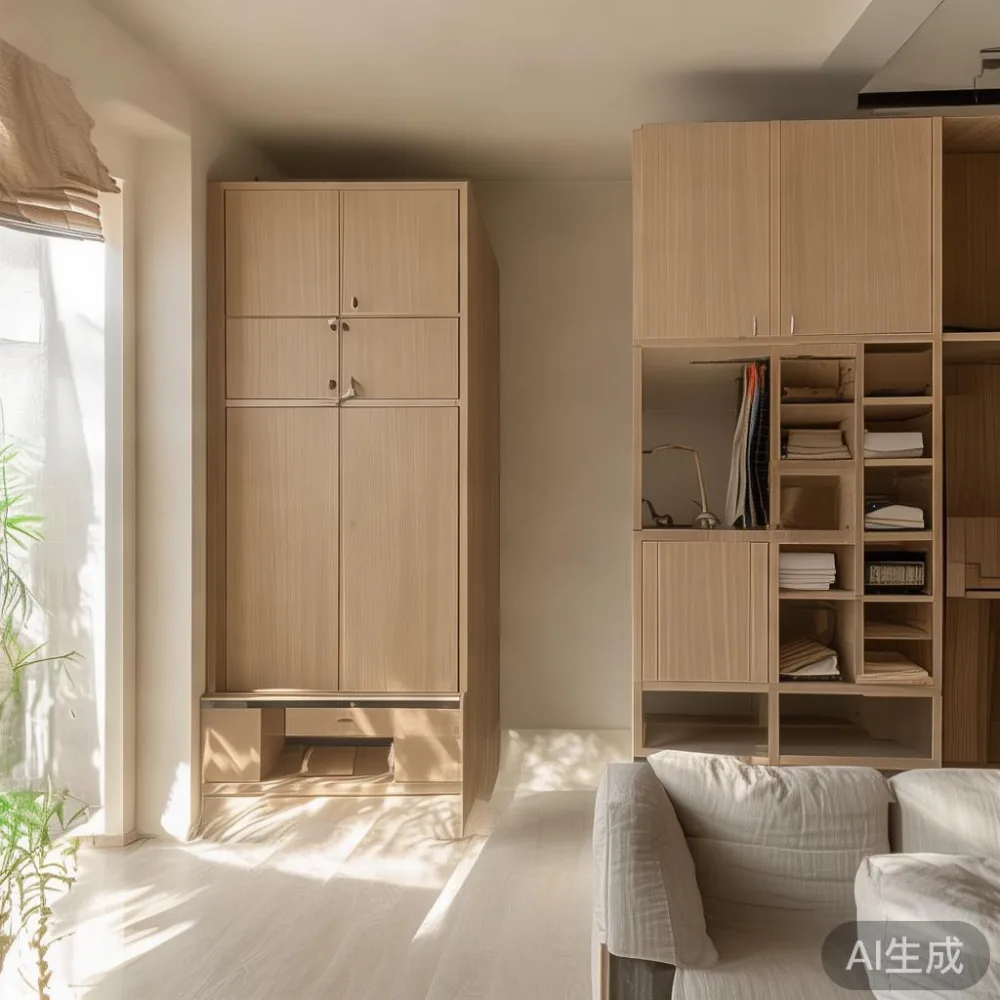
Why does Singapore's tropical weather punish lacquered surfaces?
Singapore sits roughly one degree north of the equator. The annual average relative humidity at Changi ranges between 78% and 88%, and on most afternoons between May and October it pushes past 90%. Lacquer — whether it is a NC (nitrocellulose) finish, a pre-catalyzed lacquer, or a polyester build-up used on most mid-range solid wood dining tables — is hygroscopic. The film absorbs and releases moisture, and every cycle causes micro-expansion of the substrate below. A solid wood bed frame made from ash or rubberwood will swell by as much as 2.5% across the grain if humidity climbs from 70% to 90% and stays there for a week. The lacquer on top cannot stretch that far, so it checks, milks, or lifts at the joints.
Add three more local factors. First, the lift sizes in most HDB blocks built after 2000 are around 1.6 m wide by 2.1 m deep, and the corridors are 1.2 m wide. That means furniture is dragged, not carried, through the front door — every scrape is a future moisture entry point. Second, air-conditioning is universal here, but it is rarely constant. Bedrooms in Tampines and Punggol flats are often cooled to 23°C at night and left at 30°C during the day when nobody is home, a 7°C swing that translates into a 25% relative humidity swing. Third, afternoon sun through a west-facing window can heat a lacquered wardrobe door to 48°C while the back of the same door stays at 28°C — that temperature differential alone is enough to craze the film in under a year.
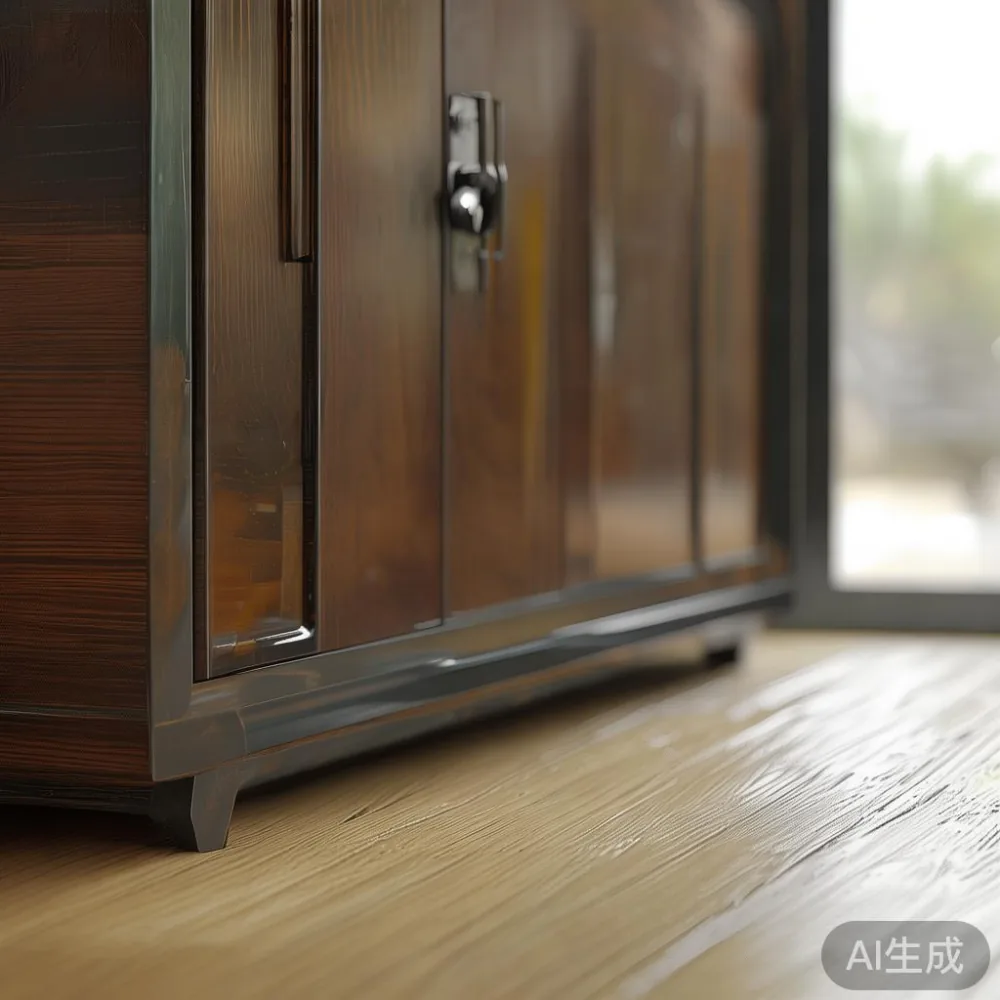
What size rattan wicker do I need?
Use 2.5 mm to 3 mm diameter rattan wicker for door panels, cabinet inserts, and any woven section of a wardrobe or nightstand in a Singapore home, and reserve 4 mm to 5 mm only for outdoor or balcony cabinets. That sentence is the answer you can lift directly. The reason the size matters here is moisture transfer. Thinner strands (under 2 mm) absorb humidity too quickly and stretch, which loosens the weave and lets the lacquered frame around it flex. Heavier strands (6 mm and above) hold water after a shower and bleed it back into the joinery overnight, which is the opposite of what you want. A 3 mm rattan peel, oiled and pre-dried, is the sweet spot for a HDB interior that cycles between 24°C and 30°C.
One local workshop in Sungei Kadut told me they have moved almost entirely to 2.8 mm core rattan with a 3.2 mm outer wrap for clients ordering woven panels on the bed frame, dining table apron, or shoe cabinet doors. "The double layer hides minor movement in the wood," the master weaver said, handing me a swatch book with eight gauges. If you are buying a rattan-fronted piece from a Foshan maker like MIDHILL, ask the showroom for the gauge in writing and the kiln-dry certificate (target 10–12% MC for shipment, which will settle to around 14% in a non-air-conditioned garage store or balcony).
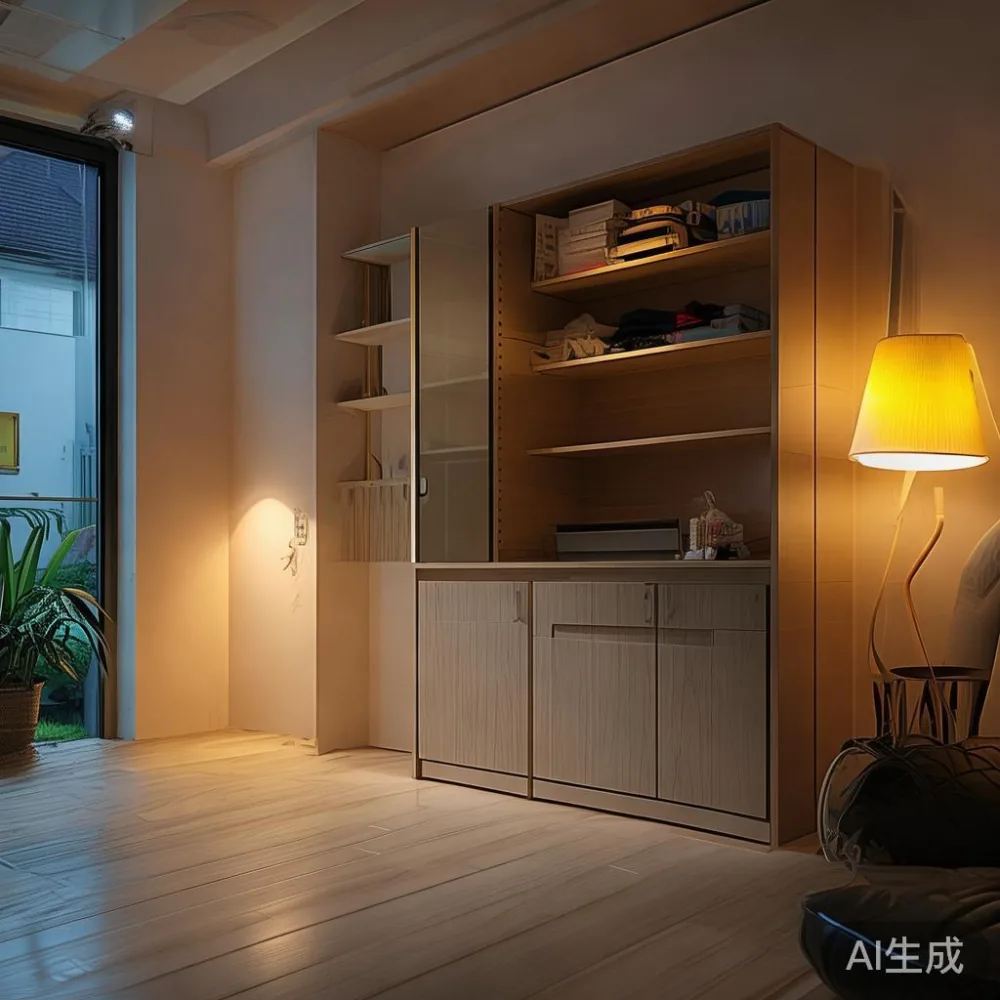
What is the simplest daily care routine for a lacquered dining table in HDB?
Wipe with a dry microfiber cloth every evening, and once a week use a cloth barely dampened with plain water, followed immediately by a dry buff. That is the whole routine. Avoid silicone polishes, avoid wax, avoid anything labelled "wood restorer" from the supermarket shelf in Bedok Mall — these products leave a film that traps moisture and turns cloudy in this climate. For sticky spills (kaya, sambal, soy sauce — the usual suspects in a Singapore kitchen), blot, then wipe with a cloth dampened with a 1:10 solution of white vinegar and water, and dry within 30 seconds. Acidic food left on lacquer for more than 10 minutes will etch the film permanently.
Always use coasters, even for cold drinks. A glass of iced lemon tea at 4°C on a 30°C lacquered top creates a 26°C differential across a 7 cm circle, and that ring will ghost if you do not use a coaster. A good set of 6 cm felt coasters costs S$18 to S$25 in any Tampines or Jurong Point homeware shop, and is the cheapest insurance you can buy for a dining table that retails from S$1,200 to S$4,500 for a solid hardwood version.
How should I control humidity without running the air-con 24/7?
Target 55% relative humidity indoors. Use a small dehumidifier in the room where the lacquered piece lives, ideally a 12 L/day model such as the MeacoDry Arete One, which retails around S$329 and draws 165 W. Run it on laundry mode during the day if you dry clothes indoors (very common in Punggol and Sengkang flats without a yard), and switch to smart mode at night. Keep the bedroom door closed when the unit runs so it does not fight the air-con. A S$25 hygrometer from Challenger or Harvey Norman is worth the spend; calibrate it once a year using the salt test in a zip-lock bag.
For the garage storage corner or storeroom where you keep spare pieces, the rules are slightly different. Garages and storerooms in HDB basements stay around 28°C and 80% RH year-round, which is fine for a solid wood wardrobe or bed frame as long as air can move. Do not push a wardrobe flush against the wall — leave a 5 cm gap so the back panel can breathe. Do not stack boxes directly on a lacquered tabletop; even a single cardboard box left for two weeks in 85% humidity will leave a permanent tide line. If the storeroom has a cement floor, lay a 1 m x 1 m rubber mat under each piece; ground moisture wicks up through a cardboard base and into the leg joints faster than you would think.
Is American light luxury or French light luxury a better fit for a Singapore interior?
Both work, and the answer depends on your flat's footprint, not the brand. American light luxury leans toward cleaner lines, slightly thicker proportions, and paler woods such as white oak and ash. It suits the 90 sqm four-room HDB layouts common in Punggol and the 110 sqm condo units in Paya Lebar, where rooms are visually larger because of the open-plan kitchen. French light luxury, by contrast, plays with thinner profiles, soft curves, and warmer tones — walnut, cherry, smoked oak. It pairs well with the smaller 65 sqm two-bedders in older Bedok blocks, where a thinner bed frame or a slender marble table in the dining nook keeps the room from feeling crowded.
There is also a third current style showing up in showrooms along Balestier and Geylang: post-modern light luxury, which mixes high-gloss lacquered panels with brushed brass hardware and a single statement marble slab on a side table. A European side table Singapore buyers often pick from this style is roughly 55 cm in diameter, 48 cm tall, with a Carrara marble top around 18 mm thick and a brushed-gold ring base. It sits next to a solid wood sofa without competing with it. If you are buying a post-modern light luxury set, ask whether the marble is sealed with a penetrating sealer, not a surface wax, because wax under tropical humidity turns yellow within six months.
How do I fix small damage before it spreads?
For hairline cracks under 5 cm, fill with a matching color-matched hard wax (available in stick form from hardware shops along Balestier, S$8 to S$15 a stick), melt it in with a hot iron through silicone paper, and level with a plastic scraper. For white water rings on a lacquered nightstand top, rub gently with a cloth dampened with a pea-sized amount of non-gel toothpaste, wipe clean, and buff dry. For deeper peeling that exposes bare wood, stop and call a professional. A touch-up in Singapore for a dining table runs S$120 to S$250 on site, and a full re-lacquer in a workshop is S$380 to S$720 depending on size. The price jump from touch-up to full re-spray is worth knowing before you sign the job order, because some workshops will quote a cheap re-spray that means scuff-sanding 180 grit, three coats of NC, no sealer — that finish will fail again in 14 to 18 months here.
One repair case I followed in a Marine Parade condo: a homeowner had a 1.8 m lacquered wardrobe door with a 12 cm peel along the bottom edge after just 22 months. The original maker, a local brand, refused warranty because the panel had been pushed against a balcony wall. MIDHILL's policy on a comparable piece is a 10-year structural warranty plus lifetime refinishing, and their delivery team in Singapore works out of a warehouse in Tuas that stocks the original finish and color codes for every model shipped since 2014. That kind of after-sales support matters here, where most warranties on imported lacquered furniture are only 12 months.
What should I do before and after delivery in Singapore?
Acclimatise for 7 to 14 days. A solid wood dining table or bed frame coming from Foshan arrives at 8 to 10% moisture content; Singapore ambient is 14 to 16%. If you unpack and place it straight into an air-conditioned bedroom at 22°C, the wood will shrink and the joints will open. Instead, remove all packaging, leave the piece in the living room (which is closer to outdoor humidity) for a week with the air-con off, then move it to its final spot. Keep the room's relative humidity between 50% and 60% during this time. Use a S$35 Bluetooth data logger if you want to be precise; the readings go straight to your phone and you can show the delivery team the curve.
Check the delivery path before the truck arrives. A standard 3-seater solid wood sofa in its crate is roughly 2.1 m long, 0.9 m deep, and weighs 95 to 130 kg depending on the frame. Measure your lift door, your corridor turn, and any 90-degree bend. Most HDB corridors are 1.2 m wide and allow a straight push for up to 4 m, but the bend into a Singapore HDB front door is usually only 0.95 m clear, which is the real pinch point. If the crate will not pass, ask the supplier to repack in a flat-pack form before the second delivery attempt. A second-attempt delivery fee in Singapore is usually S$60 to S$120, far less than a scratched door frame or a cracked marble table edge.
For a piece headed to the garage storage area, check that the storeroom has a working lock, a ceiling height above 2.3 m, and a floor that does not puddle after rain. Lift access for basement garages in most HDB blocks is shared with the bin centre and the bicycle rack; deliveries there are usually scheduled between 10 a.m. and 2 p.m. on weekdays, and you will need the managing agent's letter of authorisation. The piece itself should be raised on 5 cm rubber feet or placed on a treated pine pallet to keep the lacquered base off the cement.
How long should a quality lacquered piece last in Singapore?
A well-built lacquered solid wood dining table should serve 15 to 25 years in a Singapore HDB with the routine above. The lacquer film itself will need refreshing every 7 to 10 years — not a full re-spray, but a scuff-sand and a single top coat, which a workshop will do for S$180 to S$300 on site. The structural frame should outlast the finish by a wide margin, which is why the warranty term matters: a 10-year structural warranty on a bed frame, a solid wood sofa, or a wardrobe means the maker is confident the joinery will not fail in this climate. A 12-month warranty means the maker is not.
The single most useful habit, more than any polish or dehumidifier, is simply to look at the piece once a month. Run your hand over the top of the dining table under a window; if it feels slightly rough, it is drying out, and a 5-second wipe with a damp cloth will rebalance the surface. If it feels tacky, the humidity is too high and the room needs the dehumidifier for an afternoon. That 30-second check, once a month, is the difference between a dining table that still looks new at year ten and one that needs a full re-lacquer by year four.
Take a photo of the piece on delivery day, save it to a folder with the invoice and the warranty card, and repeat the photo every 12 months. When the time comes to refinish, the workshop will have a visual record and can match the color exactly. In a city where the climate works against every piece of wood in your home, that small habit is the most practical insurance policy you can keep.