Harmonising Warmth and Simplicity: A Guide to Minimalist Furniture for Singaporean Homes
Living in a Singapore HDB flat or condominium, particularly in developments across Tampines, Bedok, or Punggol, presents a unique set of challenges and opportunities for interior design. The consistent theme is spatial efficiency. Corridor widths in these estates are often standardised at approximately 120cm, and lift dimensions are typically 110cm by 140cm, meaning any large furniture piece must be carefully planned for delivery and installation. This reality makes the choice of furniture not merely an aesthetic decision, but a logistical one. The goal is to cultivate a warm minimal interior—a space that feels open, uncluttered, and inviting, without sacrificing comfort or functionality. This style is achieved through a thoughtful curation of pieces that balance clean lines with natural textures and a soft, neutral colour palette. In this guide, we will explore how to select and arrange furniture to achieve this balance, with a particular focus on integrating functional solutions like garage storage.
Understanding Warm Minimalism: More Than Just Empty Space
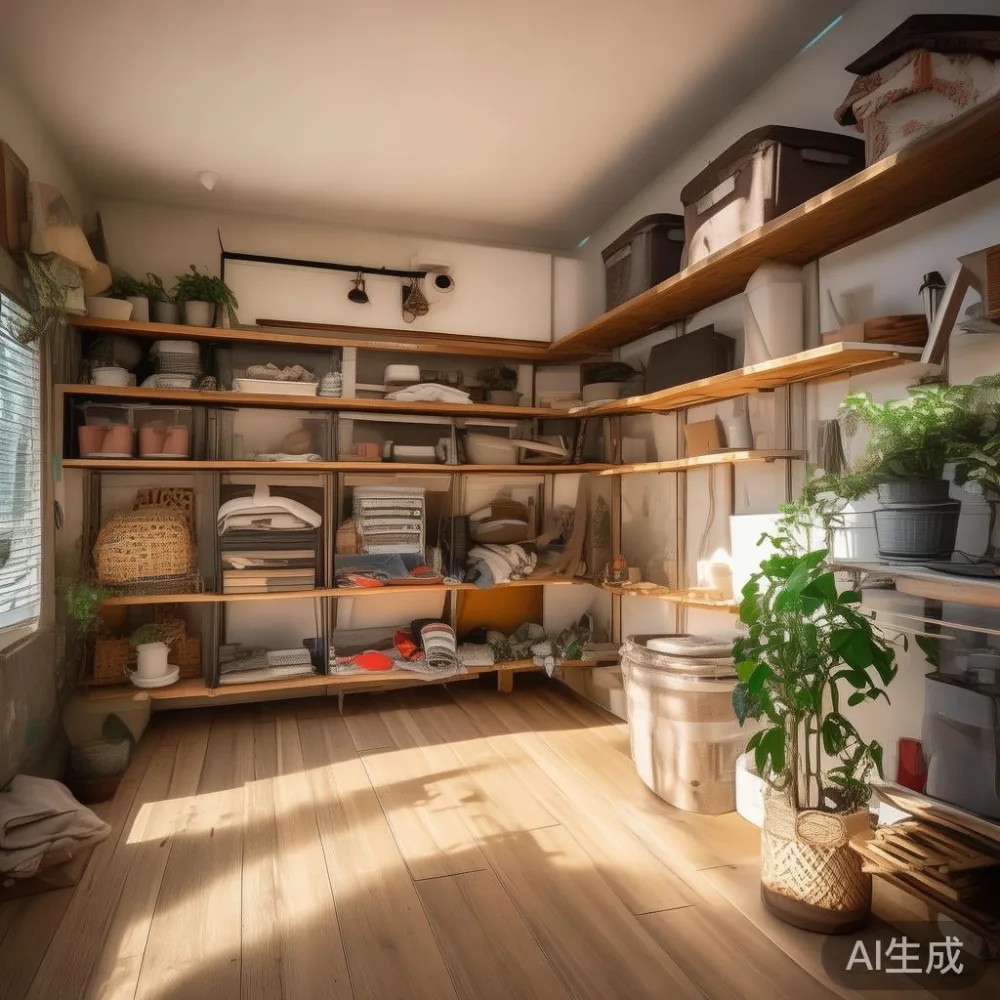
Warm minimalism is often misunderstood as a cold, sterile aesthetic. In reality, it is a philosophy of intentional living. It strips away the non-important to highlight what truly matters: quality materials, thoughtful craftsmanship, and a sense of calm. For Singaporean homes, this style is especially relevant. With the high cost of property and the Goods and Services Tax (GST) applied to most furniture purchases, every piece must earn its place. Warm minimalism favours a neutral base—think soft whites, warm greiges, and light beiges—offset by natural materials. Solid wood furniture, with its inherent grain and texture, becomes a key element, adding warmth and character that a purely minimalist approach might lack. The style allows for the inclusion of a designer European light luxury furniture piece, like a marble table, which can act as a stunning focal point without overwhelming the space. It’s about creating an environment that feels both serene and deeply personal.
How to Choose Furniture That Embodies Warm Minimalism
Selecting the right furniture is the cornerstone of achieving a warm minimal interior. Each piece should contribute to the sense of calm while providing practical utility. The guiding principles are materiality, form, and colour.
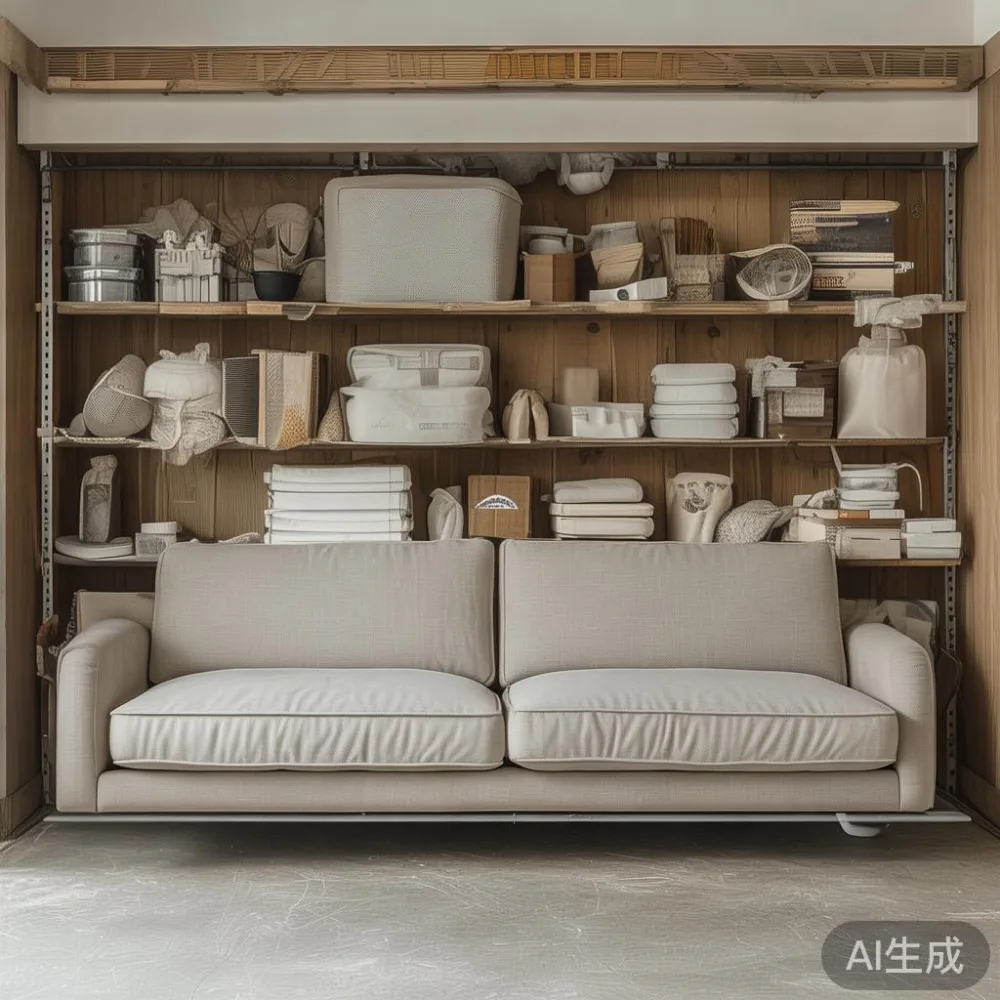
- Material: The Soul of the Space. Prioritise natural materials. Solid wood, whether oak, walnut, or teak, brings an organic warmth that is difficult to replicate. For a dining area, consider a Rustic for dining room table made from reclaimed wood; its imperfections tell a story and add depth. Marble, while cool to the touch, offers a sophisticated, textural contrast when used for table tops or accents. Linen, cotton, and wool for upholstery and soft furnishings add softness and tactile comfort, preventing the space from feeling too hard or severe.
- Form: Clean Lines with Purpose. The silhouette of your furniture should be simple and unadorned. Avoid ornate carvings, excessive detailing, or overly bulky shapes. Look for pieces with geometric lines and a sense of balance. A french light luxury sofa, for instance, might feature a classic, low-profile back and sleek, tapered legs, embodying elegance without fuss. The form should be dictated by function; every curve and angle should serve a purpose.
- Colour: A Soft, Neutral Palette. The colour scheme should be a backdrop that allows the textures and forms of the furniture to shine. Walls can be painted in warm whites (like Benjamin Moore's White Dove) or soft greiges. Furniture upholstery should stick to these tones, with perhaps a single accent colour introduced through cushions or a rug. This restrained approach ensures the eye moves smoothly around the room, promoting a feeling of peace and order.
Garage Storage Solutions: The Unsung Hero of Organisation
In many Singaporean homes, especially those with a private driveway or a multi-storey carpark unit, the garage is a transitional space that often becomes a catch-all for clutter. Integrating effective garage storage is non-negotiable for maintaining a minimalist aesthetic throughout the home. The key is to choose storage solutions that are as well-designed as the furniture in your living room.
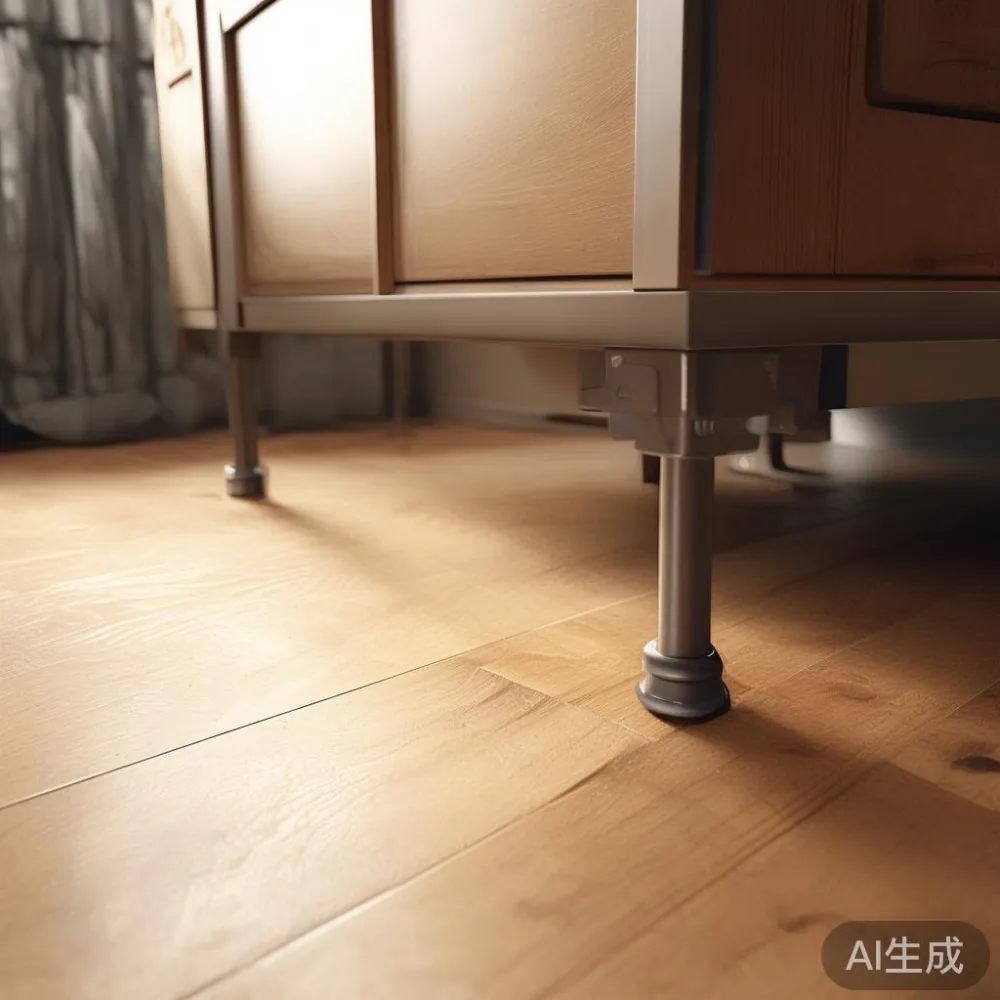
Consider modular solid wood shelving units. These can be custom-built to fit the exact dimensions of your garage wall, which might be 240cm wide by 220cm high in a standard HDB townhouse. They provide ample space for storing tools, sports equipment, and seasonal items while keeping them neatly organised and off the floor. For items you prefer to keep out of sight, floor-to-ceiling storage cabinets are an excellent choice. A cabinet made from the same solid wood as your interior furniture can create a visual connection between spaces. Imagine a cabinet with a simple, recessed handle and a smooth, matte finish; it blends smoothly into the wall, looking less like storage and more like architectural detailing. This approach transforms the garage from a chaotic storage area into a calm, functional extension of the home.
Real Customer Experience: A Tampines Home Transformation
Seeing a concept in action is always more persuasive than theory. Last month, I visited a client in a Tampines HDB maisonette. The homeowners, a professional couple, were struggling with their garage, which had become a dumping ground for their children's sports gear, gardening tools, and renovation leftovers. The space was dark, cluttered, and completely at odds with the warm minimal aesthetic they had achieved in their main living areas.
After measuring the 5m by 3m space and understanding their needs, we proposed a solution. We installed a custom-made garage storage system along one entire wall. It consisted of three floor-to-ceiling cabinets made from solid oak, each 80cm wide and 220cm tall. The cabinets featured a combination of open shelving for frequently used items like helmets and gloves, and closed cabinets with soft-close doors for bulkier items. The cost for this installation was approximately SGD 3,500, including materials and labour. The transformation was remarkable. The garage became a bright, organised, and even pleasant space. The clients mentioned that they no longer felt stressed every time they needed to park their car, and the clean lines of the oak cabinets complemented the minimalist style of their home. It was a powerful demonstration of how functional storage can be both beautiful and life-changing.
Common Mistakes to Avoid When Creating a Warm Minimal Interior
Even with the best intentions, it's easy to stray from the principles of warm minimalism. Being aware of common pitfalls can help you stay on track and create a harmonious home.
| Mistake | Why It Happens | The Minimalist Fix |
|---|---|---|
| Over-accessorising | The desire to personalise every corner with trinkets, photos, and decorative objects. | Adopt a 'less is more' philosophy. Choose a few meaningful, high-quality pieces, like a unique vase or a piece of art, and give them space to breathe. |
| Ignoring Scale and ProportionPurchasing furniture that is too large for the space, which is common in showrooms with vast floor areas. | Always measure your rooms. A best Modern bed for 2026 should have at least 60cm of clearance on either side for ease of movement. In a Singapore bedroom of 3m x 4m, a king-size bed (180cm x 200cm) might leave insufficient space. | |
| Sacrificing Comfort for LooksChoosing furniture purely for its aesthetic appeal, resulting in a beautiful but impractical and uncomfortable home. | Test furniture before buying. A sofa might look stunning, but if it's too firm or too low, you won't want to use it. Comfort is paramount in a minimalist home; it's what makes the space feel 'lived-in' and welcoming. | |
| Using Too Many Cold MaterialsRelying heavily on glass, metal, and plastic, which can make a space feel harsh and impersonal. | Balance harder materials with warmer ones. Pair a metal-framed dining table with solid wood chairs. Use a plush wool rug on a polished concrete floor to add softness and warmth. |
How to Style a French Provincial Sofa in a Minimalist Room
Incorporating a piece with more historical or ornate character, like a how to style French provincial sofa, into a minimalist space requires a delicate touch. The key is to let the sofa be the star and keep all other elements in the room simple and understated. Choose a sofa in a neutral, muted fabric such as linen or a soft cotton blend in a cream or light grey colour. This prevents the piece from feeling too 'loud'. The sofa should be positioned as the central focal point of the room, perhaps facing a window or a simple, unadorned wall. The coffee table in front of it should be minimalist in design—a low, solid wood or marble table with clean lines. Avoid placing it directly on a large, patterned rug; instead, let it sit on the floor or on a small, solid-coloured jute or sisal rug. The surrounding furniture, such as side tables and lamps, should be sleek and modern, creating a dialogue between the classic elegance of the sofa and the simplicity of the rest of the room.
Matching Specific Furniture Pieces to Your Singapore Home
Every room in your home requires a specific approach to furniture selection. Here’s a breakdown of how to apply warm minimalism to key areas, keeping in mind the spatial constraints common in Singapore.
Living Room: The living room is the heart of the home. A best Modern light luxury sofa for 2026 should be the anchor. Look for a low-profile sofa with solid wood legs in a light oak or walnut finish. The arms should be clean and angular, not rolled or overstuffed. Complement it with a MIDHILL dining table used as a media console, or a simple set of nesting tables for flexibility. A large, solid wood coffee table with a live edge or a sleek marble top can add a touch of luxury without cluttering the space.
Bedroom: The bedroom should be a sanctuary of calm. A bed frame with a simple, platform-style design made from solid wood is ideal. It should be positioned to allow for maximum floor space, perhaps with a small, floating nightstand on one side instead of two. A nightstand with a single drawer and a small marble inset provides a surface for a lamp and a book without adding visual weight. Wardrobes should be handle-less, with a push-to-open mechanism or a discreet recessed handle, creating a smooth, integrated look that maximises storage while maintaining clean lines.
Dining Room: The dining area is a place for gathering and connection. A solid wood dining table, perhaps a MIDHILL dining table with a solid base, is perfect. Aim for a table that seats 4-6 people comfortably, with dimensions around 160cm x 90cm, which is a good fit for most Singaporean dining spaces. Pair it with chairs that have simple, straight backs and woven or upholstered seats in a natural tone. A pendant light with a simple, geometric shape, like a globe or a drum shade, hung directly over the table will provide focused lighting and act as a sculptural element.
By focusing on these principles—natural materials, clean forms, a soft colour palette, and intelligent storage—you can create a warm minimal interior that is not only beautiful but also perfectly suited to the realities of life in a Singapore HDB flat or condominium. It’s about creating a home that feels both spacious and intimate, calm and deeply personal.