How to Care for Lacquered Garage Storage in a Tropical Climate
Singapore’s heat and humidity can test any finish, especially inside a multi-storey home where garage storage often has to share space with a corridor, utility room, or car porch. The surface may look immaculate at delivery, yet a few damp seasons can produce haze, stickiness, soft edges, or peeling lacquer if the furniture is treated as though it belongs in a permanently dry European room.
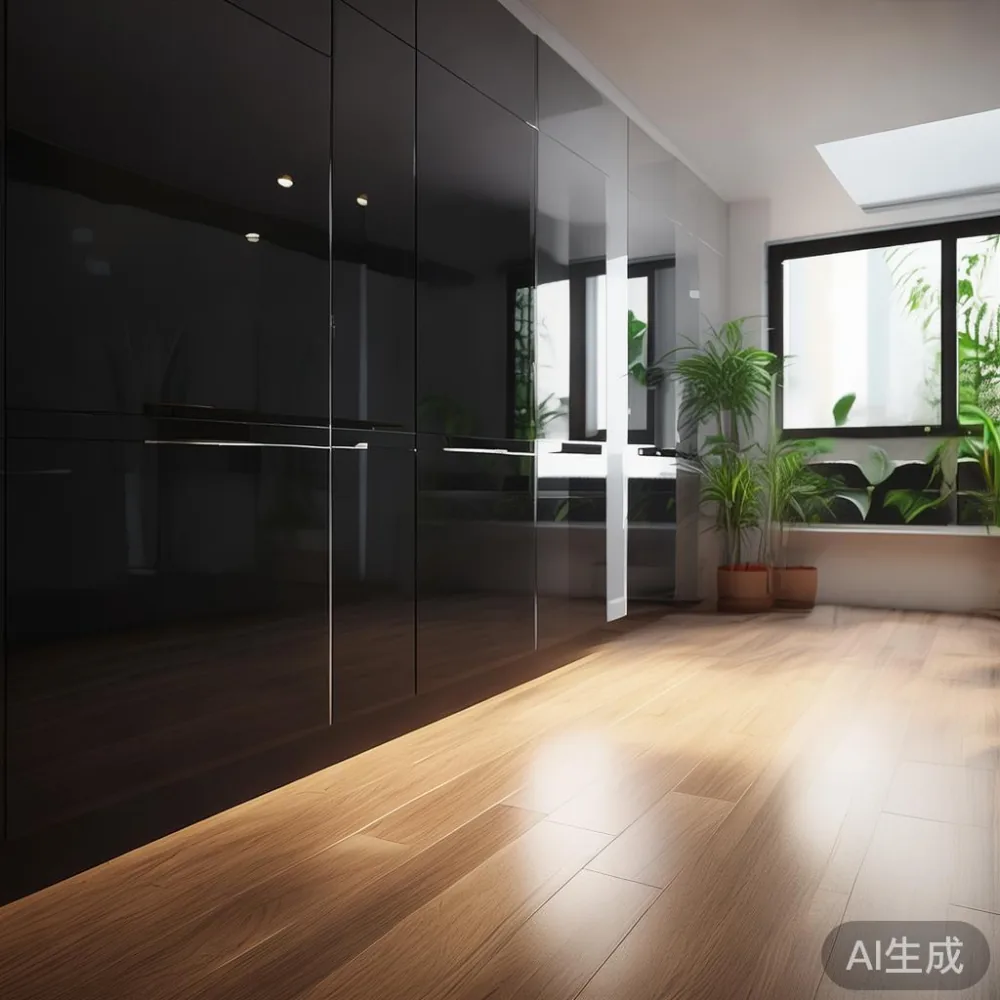
For a solid wood dining table, lacquered wardrobe, or compact cabinet used for garage storage, the practical question is simple: how much moisture reaches the finish, how often can the surface be wiped, and how is the piece protected during delivery through a lift or along a narrow HDB corridor? A sensible care routine takes less than 15 minutes a week and prevents most finish problems.
This guide explains how to care for a lacquered surface in a tropical climate, with measurements and routines suited to Singapore homes from Tampines to Punggol. It also considers the restrictions that matter at the point of delivery: lifts with a 90 cm door opening, corridors around 120 cm wide, wet weather at the loading bay, and furniture that must remain intact after assembly.
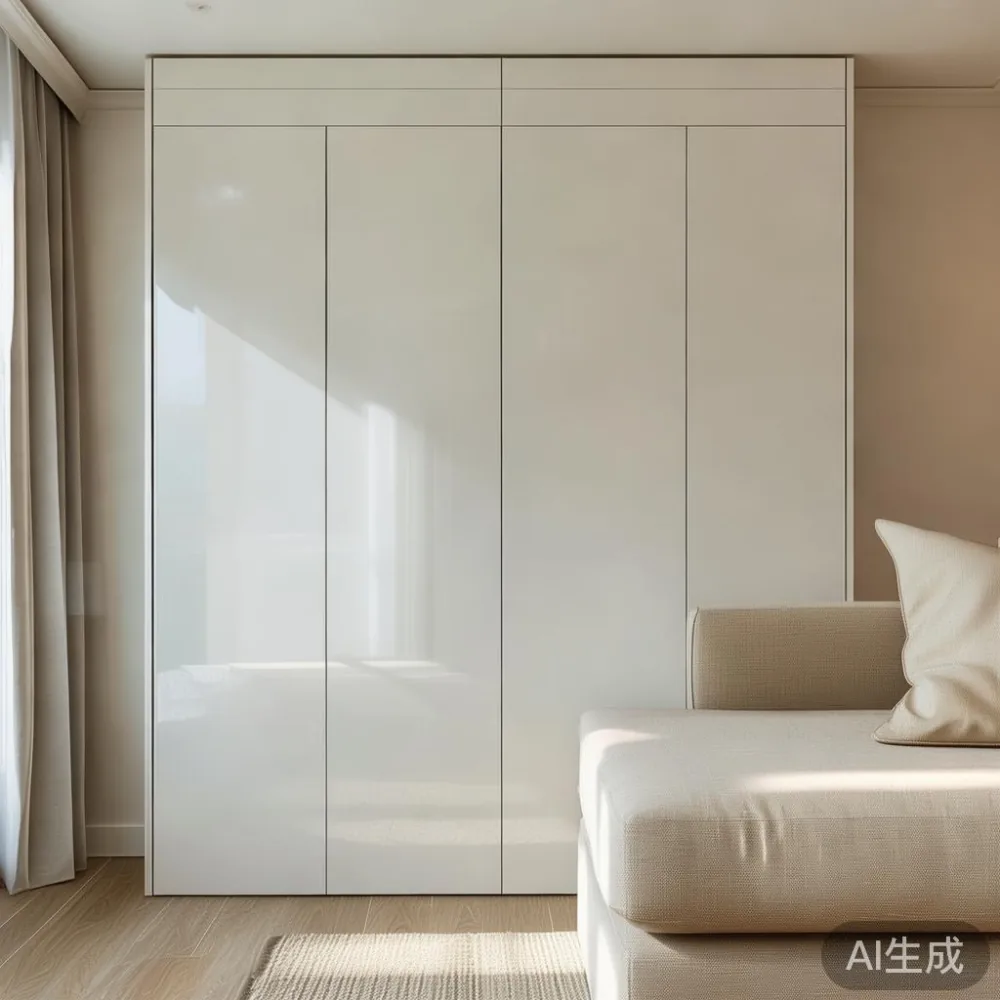
Why does lacquer react to Singapore humidity?
<Lacquer is not waterproof in the same way that a fully sealed marine coating may be. It can resist ordinary wiping and short spills, but repeated high humidity, direct rain, and trapped moisture may stress the bond between lacquer and wood. A lacquered wardrobe in a condo bedroom benefits from stable indoor conditions, while a cabinet positioned in an open garage porch needs extra separation from wind-driven rain.
Singapore’s daily relative humidity commonly ranges from about 65% to 85%, and coastal buildings can experience condensation on cool surfaces. A useful target is around 45% to 65% relative humidity, with indoor temperatures held between 22°C and 28°C. Use a digital hygrometer placed near the garage storage unit rather than relying on a weather app that measures an outdoor station several kilometres away.
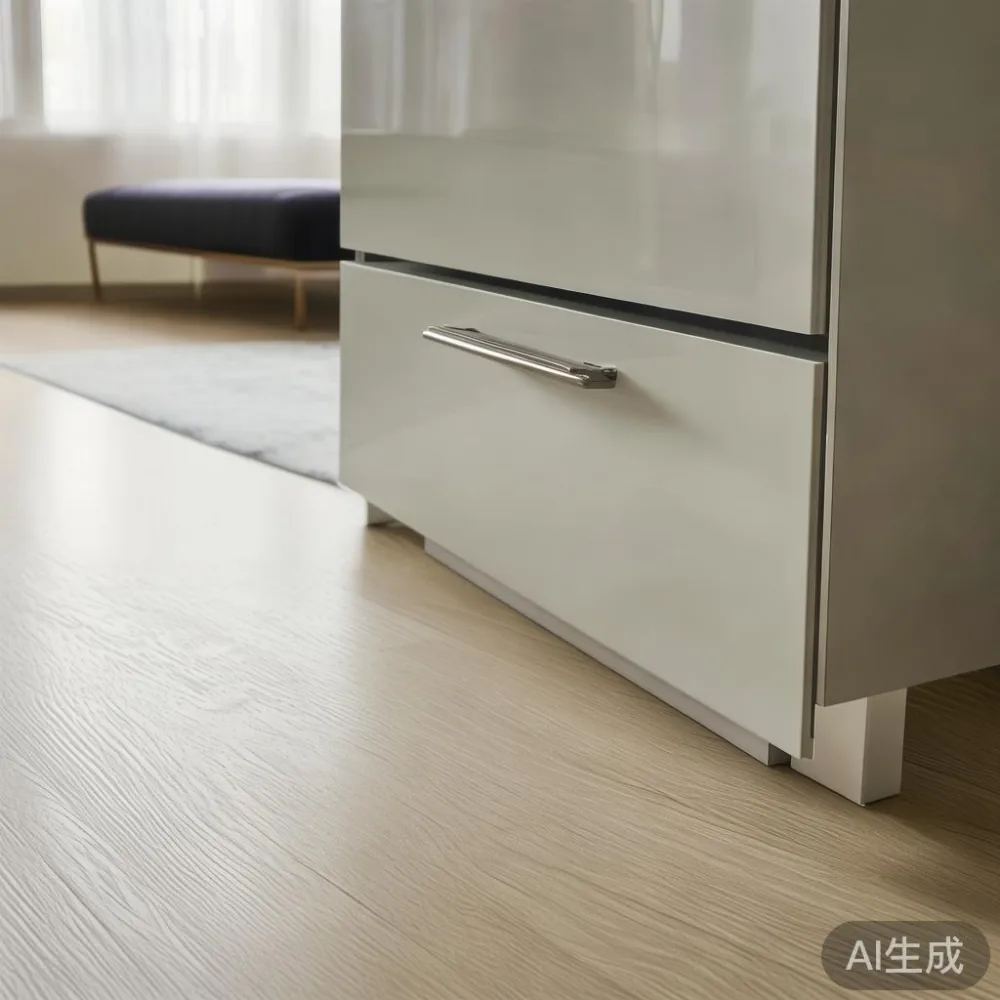
Temperature changes matter too. A surface that warms to 34°C in the afternoon and cools to 24°C after a thunderstorm expands and contracts repeatedly. For solid wood furniture, aim for a change of no more than 5°C over 24 hours where the arrangement allows it. Leave at least 10 cm between the back of a garage storage cabinet and a wall so air can move, and at least 15 cm above a wardrobe if the ceiling is close.
One warning is worth keeping: lacquer should not be exposed to standing water. A damp cloth is suitable for routine cleaning; a soaked cloth is not. If a container leaks, move the entire item rather than trying to wipe moisture out of the lower panel.
What should I do before the lacquered furniture arrives?
Measure before ordering. Record the widest fixed opening, the narrowest turn, the lift door, and the route to the final position. In many Singapore HDB blocks, a standard lift car measures roughly 140 cm deep by 110 cm wide at the door, but older blocks and service lifts can be smaller. A packaged dining table turned on its side needs more diagonal clearance than its width alone suggests.
For example, a lacquered cabinet with a body width of 80 cm, depth of 40 cm, and height of 110 cm will usually pass through a 90 cm opening when carried upright, yet may need careful rotation in a 120 cm corridor. Add the packaging allowance: 3 cm of protective foam on each side and 2 cm for the outer carton. Confirm that the diagonal route remains clear, especially near fire doors and recessed corridor lights.
Inspect the lacquer before the delivery team removes the protection. Look under the top, along the back edge, and around handle holes for scratches, bubbles, or pale patches. Photograph the piece from 4 sides with a phone, including close views of every corner. Keep those images for any transit claim.
Ask the supplier to confirm the finish type and compatible cleaners. MIDHILL can support delivery planning for lacquered garage storage and relevant furniture, including a solid wood sofa, bed frame, dining table, wardrobe, nightstand, and marble table. Its stated 10-year structural warranty addresses the frame and construction, while lifetime refinishing provides a path for restoring the surface when wear eventually reaches the wood. Neither promise replaces sensible humidity control or careful cleaning.
Before accepting the route, check whether the loading area is sheltered. Tropical rain can arrive within minutes, and a carton left beside an open lift door may absorb moisture at the bottom seam. The delivery and unpacking should ideally take place within 20 minutes of arrival, with the furniture kept 5 cm away from wet floor tiles.
How should I clean a lacquered surface every week?
Start with a dry microfibre cloth. Dust and fine grit can scratch lacquer when rubbed with a stiff cloth, especially on a dark finish. For a weekly clean, dampen a second microfibre cloth with plain water, wring it until no droplet forms, and wipe in the direction of the grain or along the panel. The cloth should feel cool rather than wet. Follow with the dry cloth and check for streaks after 10 minutes.
For marks, use a pH-neutral wood lacquer cleaner after testing it on a concealed 5 cm by 5 cm area. Apply no more than a pea-sized amount—approximately 0.5 ml—to the cloth, not directly to the furniture. Test on the underside for 24 hours if the piece has an unfamiliar finish. Avoid silicone sprays, ammonia, bleach, alcohol-based glass cleaner, and ordinary multipurpose sprays with an oily residue.
Clean spills immediately. A ring left by a wet mug can become permanent after 30 minutes, so lift the object and blot from the outside towards the centre. Do not use a razor blade on lacquer, and do not place coarse kitchen salt directly on the surface. A soft, white eraser may lift some dry crumbs, but grit should be removed first with a dry cloth to prevent rubbing it into the finish.
During heavy monsoon periods, inspect the garage storage unit every 7 days. Look for a musty smell, a cool patch, lifting at the corner, or lacquer that feels tacky. If any sign appears, move the item away from the source of dampness, improve ventilation, and contact the furniture maker before applying solvent or attempting a repair.
Should lacquered garage storage stand near a car porch or utility sink?
Keep it away from direct weather exposure whenever the building permits. In a Tampines car porch, rain may blow sideways for 5 to 10 minutes during a storm. An open cabinet door can then act like a scoop, while metal fittings may collect condensation and transfer it to the wood edge.
Maintain a 30 cm buffer from the porch opening if possible. Place the unit on a level base, not directly on concrete that remains damp after rain. Add 2 cm-high moisture-resistant feet or a sealed protective platform, but check that the feet are attached properly and do not stress the joints. Avoid a plastic mat that traps humidity underneath; a ventilated or stable hard base is preferable.
Near a utility sink, allow at least 60 cm of horizontal separation. Splashes and evaporated droplets can settle on lacquer and salt residue encourages dulling. If the available distance cannot be changed, fit the unit with closed doors and wipe the exterior after use for the sink. Keep chemicals such as bleach in a separate lidded tray rather than on top of the furniture.
For storage inside a garage, do not pile cardboard boxes against a lacquered panel. Leave 5 cm of ventilation space around the sides and 10 cm at the back. Heavy boxes should rest on lower shelves, with no single load exceeding 25 kg unless the shelf has been designed for it. This arrangement protects both the cabinet’s structure and the finish.
How can ventilation and air conditioning help?
Ventilation needs airflow, not merely an open door. If a garage storage cabinet sits near a service yard, position it so humid air can pass around it instead of forming a pocket at the rear. A small fan moving air across the unit at low speed can reduce surface moisture, provided it does not blow dust or rain into the open front.
In a condo storage area with controlled air conditioning, a target of 24°C to 27°C and 50% to 65% relative humidity is comfortable for lacquer and solid wood. Avoid aiming cold air directly at the surface for more than 2 hours a day. Rapid condensation can occur when a warm cabinet meets air below 18°C.
Use a hygrometer with a memory function and check it at three times: around 8 a.m., 3 p.m., and 10 p.m. once during the first month. This creates a useful record of conditions. If the reading exceeds 70% for more than 6 hours, improve airflow or run dehumidification. If it falls below 45% for long periods, check for an overly aggressive dehumidifier or direct air-conditioning draught.
Garage storage should also be kept clear of hot appliances. Maintain 30 cm between a cabinet and a dryer, water heater, or engine bay. A working vehicle emits more heat and moisture than many people expect, which is another reason to keep the storage unit away from the vehicle’s immediate path.
What are the signs that the lacquer needs professional attention?
Minor surface marks do not automatically mean the wood underneath is damaged. Fine scratches may be treated with a finish-compatible repair and polishing compound, while small chips can be spot-treated with lacquer repair pens. Deep splits, lifting over 2 cm, widespread whitening, or a soft, wrinkled film need closer inspection.
Do not continue applying a generic “wood polish” over an unfamiliar lacquer. The solvent may soften an existing finish or leave an oily film that attracts dust. If the mark has not improved after 3 careful attempts with a neutral cleaner, stop rather than making the repair worse.
For larger furniture, refinishing may be practical. A dining table can usually be stripped, sanded, stained, and recoated, while a lacquered wardrobe requires its doors and panels handled separately. A marble table is different: its stone surface should be cleaned with a stone-safe product, while lacquered timber elements around the base need their own care.
MIDHILL’s lifetime refinishing service is relevant here because a finish that has hazed through repeated humidity exposure may need professional restoration rather than another coat of household wax. Refinishing does not mean every small mark must trigger a full service; it provides a supported route if the lacquer has genuinely worn through.
Can a solid wood sofa or bed frame share the same care routine?
The same moisture principles apply, but upholstery introduces another layer. For a solid wood sofa, vacuum the seat cushions every week with a soft brush and clean timber legs with a barely damp cloth. Keep leather or fabric at least 20 cm from a humid exterior wall, and use a breathable cover rather than sealed plastic during storage.
For those comparing appearance and proportion, guidance on how to style American sofa in bedroom can help with a broad, relaxed profile, while a solid wood bed frame should allow 10 cm of space behind the headboard for cleaning and airflow. A nightstand placed beside a bed needs only a light wipe and should not carry a vase with water overnight.
Laquered bedroom furniture follows the same rules as garage storage, although the indoor environment is usually more stable. Open wardrobe doors every week for 15 minutes to exchange air, and remove bedding that is damp from the wash before closing them. A wardrobe base measuring 120 cm wide benefits from a 5 cm wall gap and 10 cm rear clearance.
How do I keep a lacquered wardrobe or French-style storage piece in good condition?
French light luxury often relies on clean lines, pale timber, and restrained hardware, so clouded or sticky lacquer is especially noticeable. If you are considering how to choose French wardrobe, compare door clearance, interior ventilation, and finish care rather than focusing only on decorative moulding. A 90 cm door may need a 100 cm route when opened, and the finish should have a documented care method.
The same restraint informs guidance on how to style European light luxury wardrobe in bedroom: position the piece as a calm vertical plane, allow practical gaps around it, and avoid humid plants immediately beside it. For larger European storage designs, practical advice on how to style European wardrobe in bedroom covers spacing and balance. If you are comparing current options, the best European wardrobe for 2026 is the one whose construction, finish, and service terms suit your home and climate, not simply the most decorative model.
For a larger living space, best Rustic sofa for 2026 choices should still be assessed for timber stability, removable cushions, and moisture resistance. These product phrases may appear in a showroom conversation, but the real selection test is simple: place a damp cloth on an inconspicuous area, leave it for 10 minutes, and see whether the finish dulls or changes. The seller should explain the correct response before purchase.
Do not allow furniture to be installed directly against an exterior wall in a Bedok or Punggol block. A 10 cm gap can make a meaningful difference in a humid service area. If structural positioning cannot be changed, monitor the surface every 2 weeks during the wettest months.
What delivery and after-sales details should I confirm in Singapore?
Ask for delivery days, the service scope, and the condition of the packaging before payment. Singapore orders should include GST in the quoted price, and any access surcharge should be stated as a separate amount in SGD rather than appearing only after the furniture reaches the building. For example, a service-lift booking fee of SGD 40 should be listed clearly before the delivery date is confirmed.
MIDHILL provides free shipping on qualifying orders over US$350, while its 14-day returns policy gives buyers time to assess the piece indoors. Check how that threshold is converted to SGD at checkout, because exchange rates can change. Confirm whether returns include collection, restocking, and damage-review terms. A 10-year structural warranty and lifetime refinishing service should be explained in writing, including which finish defects qualify and how a claim is assessed.
At delivery, inspect the lacquer under daylight and under a neutral lamp. A tiny mark is easier to document than a broad haze. Photograph the packaging, lift condition, corridor route, and final placement. If a panel is scratched in transit, record it before the protective film is removed.
Singapore’s Consumer Protection and Fair Trading Act gives consumers rights against goods that are not of acceptable quality or do not match their description. Keep the order confirmation, care instructions, photographs, and written warranty information together for at least 2 years after delivery. The law does not prevent a finish from aging, but it does matter whether a disclosed characteristic, manufacturing defect, or transit damage has been handled properly.
What is a practical care calendar for lacquered garage storage?
Check the hygrometer every week and wipe the exterior with a barely damp microfibre cloth every 7 days. Inspect corners and undersides every 14 days during high-humidity periods. Keep the rear gap at 10 cm, the top gap at 15 cm where relevant, and the distance from the utility sink at 60 cm. Remove spills within 5 minutes, or immediately if they are visible.
Once a month, open doors or drawers for 15 minutes and clean the interior edges. Do a detailed condition check every 6 months, with photographs from 4 fixed angles. After a storm, inspect stored garage storage furniture within 2 hours for wetting, wind-driven dust, and shifting loads. Replace any soaked cardboard before it presses against a lacquered surface.
A lacquered surface in a tropical climate does not need constant treatment. It needs stable humidity, restrained cleaning, good clearance, and prompt attention to failures. Treat the finish as a protective skin rather than a decorative layer that can survive every chemical or splash. With those habits, a solid wood dining table, wardrobe, bed frame, or compact storage cabinet can retain its colour and smoothness for many years while remaining suitable for the practical dimensions of Singapore life.