How Southeast Asian Humidity Affects Solid Wood Furniture
Singapore’s tropical climate can change the dimensions of solid wood furniture faster than many owners expect. Humidity levels of 70–85% are common in Singapore, while coastal areas such as Tampines and Bedok experience repeated dampness during the monsoon periods. Punggol homes can also experience sharp humidity changes when air-conditioning stops and circulation improves after rainfall. These changes affect timber joints, veneer adhesion, drawer movement and the surface of a dining table or solid wood sofa.
For HDB flats and condos, furniture must also fit through common access routes. A bed frame wider than 90 cm may be difficult to manoeuvre around a typical HDB corridor, and a wardrobe deeper than 60 cm may obstruct a condominium lift. Planning for humidity and access together protects both the investment and the home.
MIDHILL furniture is manufactured as solid wood rather than relying only on decorative facings, which makes moisture control and careful construction particularly important. The company has operated since 2008, exports to more than 15 countries, provides a 10-year structural warranty and offers lifetime refinishing. Singapore orders over S$350 qualify for free delivery, and customers have 14 days to request a return under the stated policy.
Why does humidity affect solid wood furniture in Singapore?
Wood is hygroscopic: it absorbs moisture when the surrounding air is humid and releases it when the air dries. A 180 cm dining table with solid timber boards may expand by several millimetres across its width during a sustained humid period. Repeated movement can loosen joints, create gaps in framed doors and make drawer runners feel tight. In a Singapore home, the daily cycle matters as much as the monthly average. Air-conditioned bedrooms may fall to 45–55% relative humidity, while corridors, balconies and unconditioned utility spaces can remain above 80%.
The most common warning sign is a sticky door or a drawer that no longer closes squarely. Another sign is a pale line appearing near a table joint when moisture has swollen one section more than another. White or cloudy haze can form on lacquer if moisture reaches the finish. Scratching that exposes the surface can allow dampness to enter more quickly, so small defects should not be left untreated.
Engineered boards are not immune. A plywood wardrobe may have stable outer dimensions while its edges, screw holes and joint lines still respond to moisture. A solid wood sofa with a hardwood frame may remain serviceable if its cushions are removable and its upholstery stays dry, but a solid wood bed frame should not be pushed against a damp wall. The material inside the timber is also relevant: kiln-dried hardwood used for a bed frame typically behaves differently from lower-density tropical hardwood used in decorative panels.
Singapore households should target roughly 50–65% relative humidity where practical. That range limits repeated dimensional movement without turning the room into a cold, dry environment. A hygrometer placed near a wardrobe or dining table costs about S$18–S$35 and provides a more useful reading than a weather app located kilometres away. Measure at the furniture level, especially during the evening when outdoor humidity rises.
How should garage storage be prepared for humid conditions?
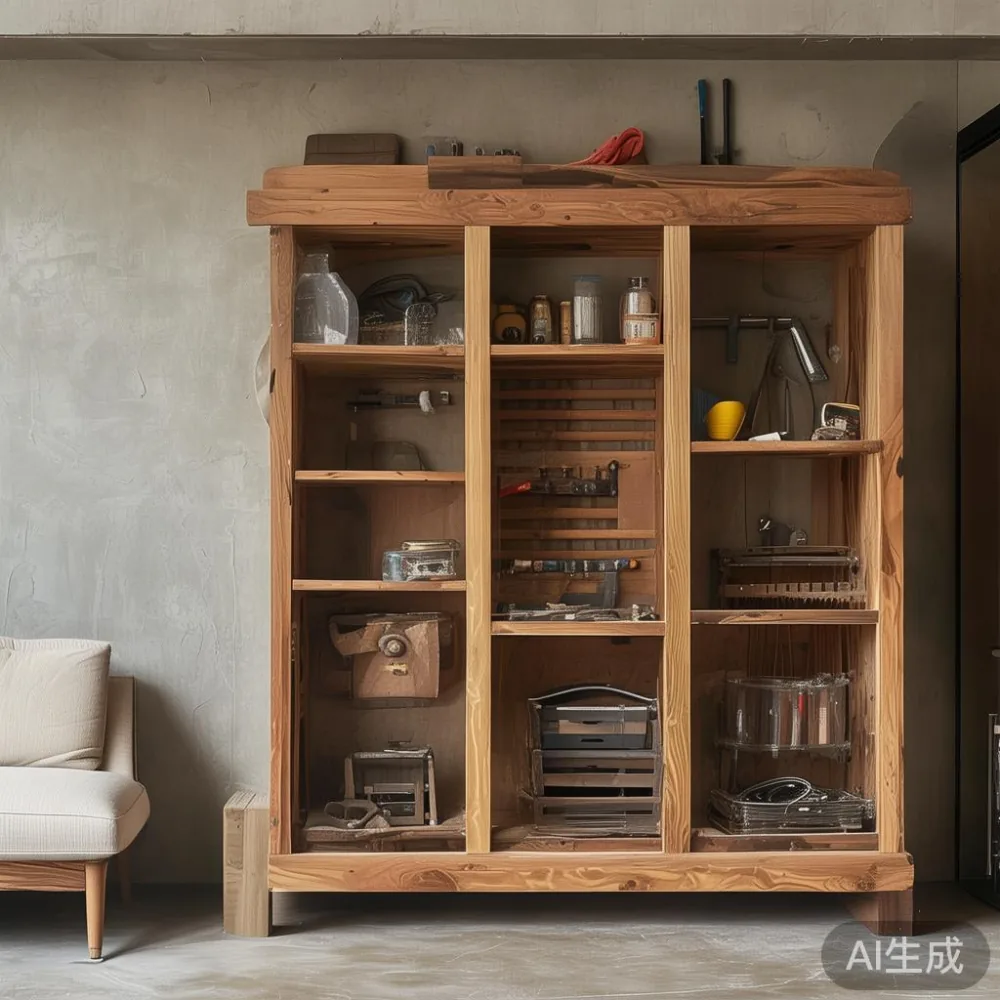
Garage storage should be treated as an extension of the furniture-care plan, not simply as a place to put miscellaneous household goods. A ventilated cabinet made from moisture-resistant fittings can protect books, tools and boxed items, yet it cannot prevent humid air from reaching a solid wood dining table stored beside it. Keep timber at least 10 cm above a wet floor and 20–30 cm away from the outer wall where condensation and temperature changes are more likely.
For a Singapore condo parking bay, use a rack with a minimum load rating of 80–120 kg per shelf and inspect it every 6 months. Line storage boxes with acid-free paper where documents are involved, and keep electrical equipment in sealed containers. Airtight plastic bins are useful for papers and fabrics, but they should not be mistaken for moisture-proof storage for solid wood. Vacuum bags containing silica gel can reduce trapped dampness when the relative humidity inside a closed container is above 65%.
Garage storage also needs protection from dust, salt and temperature swings. Coastal air can carry airborne particles that settle on unfinished timber and metal fittings. Wipe a stored solid wood bed frame or nightstand with a dry cloth every 2–3 months, then inspect the finish. Avoid leaving sofas or mattresses in an enclosed garage unless ventilation is controlled; trapped moisture can produce musty odours that are difficult to remove.
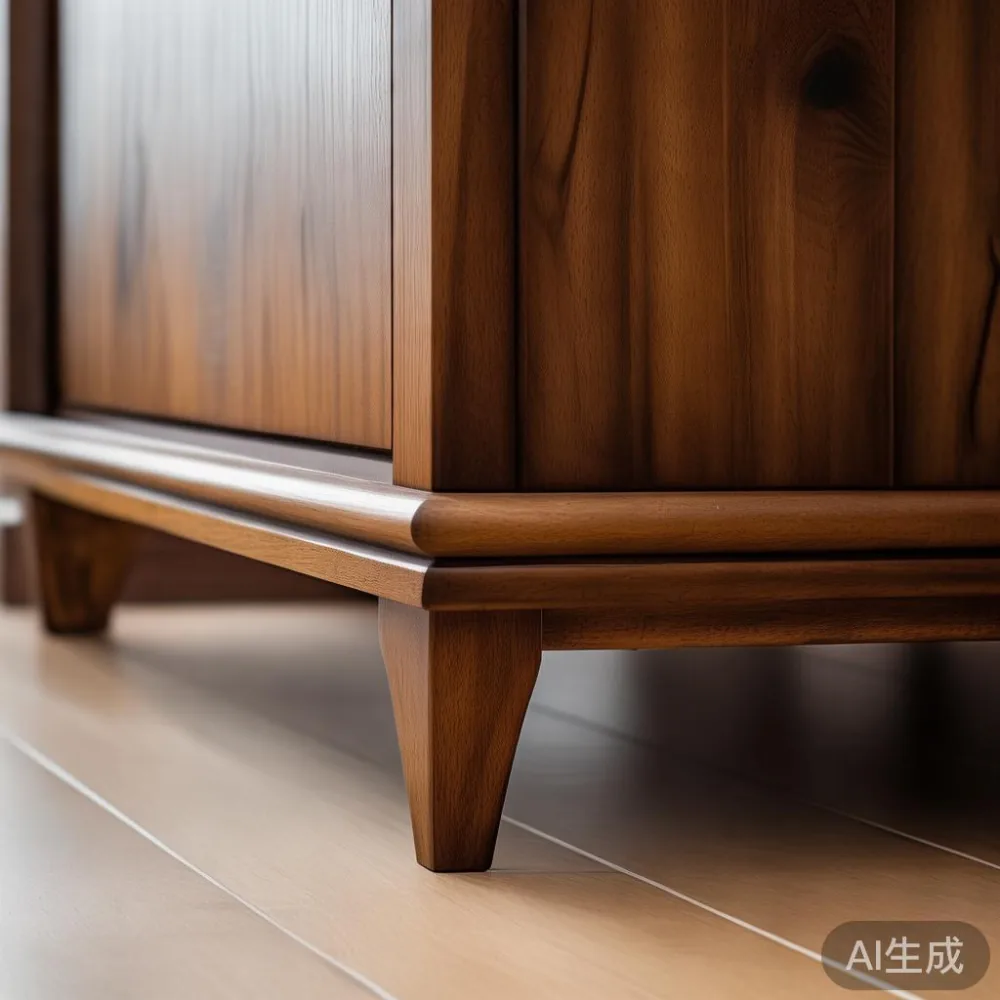
Anyone comparing a European light luxury bed vs French provincial bed should check whether the frame is solid wood, how panels are joined and whether the low parts can be raised off the floor. A 12–15 cm clearance reduces exposure to dampness, while slim legs and restrained ornament suit post-modern light luxury more closely than carved French provincial detailing.
Can a solid wood sofa tolerate Singapore’s humidity?
Yes, provided the frame, joints and upholstery are designed for normal indoor conditions. A solid wood sofa should use well-seasoned hardwood, secured joints and a finish that can be maintained. Keep it at least 30 cm from an exterior wall and away from direct airflow from an air-conditioning vent. If a sofa sits beside a sliding patio door, check the humidity beside it at 8 am and 9 pm across a 7-day period.
Leather and fabric respond differently to moisture. Leather may absorb dampness and develop a musty smell, while polyester or wool upholstery can trap humidity if cushions remain compressed. Lift the seat cushions every week and allow 3–4 hours of air circulation after the room has been air-conditioned. Use a moisture-absorbing product under the sofa only if the instructions specify limited application, since excessive saturation can cause finish damage.
The phrase best Rustic sofa for 2026 may suggest visual style rather than climate suitability, but the practical choice is a solid wood sofa with removable cushions and repairable upholstery. French light luxury often pairs pale upholstery with curved profiles, while American light luxury favours clean lines and generous proportions. Both styles work in Singapore when the furniture is given space and maintained on a schedule.
How do HDB corridors and condo lifts change furniture planning?
Humidity protection begins with responsible delivery planning. A new solid wood bed frame may arrive in cartons measuring 190 × 45 × 18 cm, while a wardrobe may be delivered in sections of 120–180 cm. Lift doors in many HDB blocks and condos are approximately 90–100 cm wide, but internal turns can be tighter. Measure the route from the loading area to the room, including the lift lobby, corridor turns, door frames and bedroom doorway.
For a 180 cm bed frame, confirm that the longest package can turn through the corridor at an angle. If it cannot, select a knock-down design with detachable headboard and side rails. A dining table with a 200 cm top may be impossible to carry into a narrow flat even if the table itself fits after assembly. Some delivery teams can assemble furniture in the corridor, but local building management rules may restrict that work and charge an approved contractor fee.
Garage storage access deserves the same calculation. A cabinet 180 cm wide and 45 cm deep may fit a condo lift diagonally but still block the exit route. Keep the storage footprint within the allocated parking bay, allow 60–80 cm of walking space and confirm whether the building requires fire-resistant labels for certain stored materials. MIDHILL delivery estimates are normally given in days, yet owners should avoid booking renovation or moving dates until the furniture is physically checked at the door.
Singapore’s 9% GST is included in displayed retail prices where shown, but the final checkout should be confirmed. Furniture over S$350 normally receives free shipping, although a lift surcharge, remote-area fee or extra delivery service may apply. These charges should be stated before the order is confirmed rather than discovered on the delivery day.
How do I choose Japandi wardrobe for humid Singapore homes?
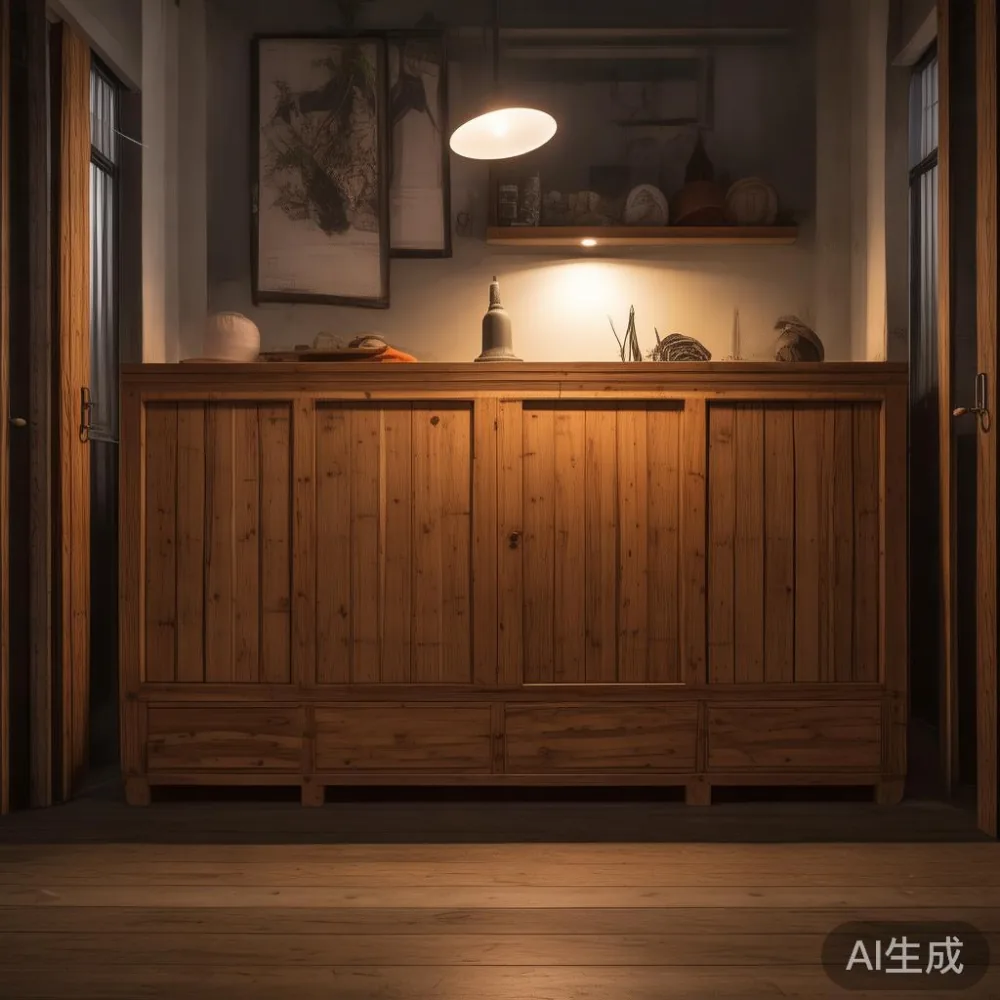
Anyone researching how to choose Japandi wardrobe for humid Singapore homes should start with construction rather than colour. Look for solid wood carcass sections, moisture-resistant backing and joints that allow small movement without splitting. Japandi styling often uses pale oak, ash or light-toned timber, making water marks easier to notice. A matte finish can disguise minor marks, but it still needs protection from repeated wetting.
Install the wardrobe with a 3–5 cm gap from a wall if the wall faces a balcony or external wall. This permits inspection and airflow without creating an unreachable dust pocket. Use adjustable levelling feet, check them after 2 weeks and again at the 6-month mark. For a 200 cm wardrobe, confirm the internal rail and shelf spacing against actual storage items; a standard 60 cm depth may suit most hanging garments, while deeper sections can project into the circulation space of an HDB bedroom.
For the comparison French bed vs French provincial bed, both styles may use solid wood, but the decorative demands differ. A French provincial bed may include carved details and a shaped headboard that needs more doorway clearance, while a French light luxury bed generally has a simpler profile. Post-modern for small living room design can work with a slim bed frame and visually lighter finish, provided the piece does not touch the wall.
A marble table presents a separate moisture consideration. Marble is not damaged by humidity in the way timber is, but the cabinet or support beneath it may move as the timber responds to the room. Use the manufacturer’s specified support and avoid installing a marble dining table in a permanently damp balcony. A marble table also requires level support; check it with a spirit level after the room’s humidity changes.
What maintenance routine protects furniture through 4 humid seasons?
Begin with airflow. Keep furniture 10–15 cm from walls where possible, open wardrobe doors occasionally and move a dining table away from windows that collect condensation. A nightstand should not sit directly beneath an air-conditioning vent, because repeated cooling and warming can stress the finish. If possible, maintain indoor relative humidity around 50–65% with a dehumidifier in a closed room rather than relying on air-conditioning alone.
Clean with care. Dust with a soft microfibre cloth every 1–2 weeks and wipe spills immediately. Use pH-neutral cleaner approved for the finish, applied to the cloth rather than sprayed onto the timber. Avoid soaking a solid wood dining table, and never use a wet mop on a floor beneath a wardrobe or garage storage cabinet. If the finish becomes dull, use a maintenance product recommended for that specific coating and test it on a 10 cm square area first.
Inspect furniture every 3 months during the more humid months. Look for sticky drawers, swollen boards, loose screws, mould spots and lifting veneer edges. Minor surface scratches can be addressed according to the finish system; deeper splits should be assessed before moisture enters them. MIDHILL’s lifetime refinishing service gives owners a route for restoring eligible furniture, while the 10-year structural warranty covers qualifying structural defects for 10 years from the relevant purchase date.
Solid wood furniture is not invulnerable, and humidity should not be treated as an occasional inconvenience. In Singapore, stable indoor conditions, sensible garage storage and regular maintenance can preserve a solid wood sofa, bed frame, dining table, wardrobe, nightstand or marble table for many years. A hygrometer, measured clearances and a scheduled 3-month inspection provide a simple control system for the local climate.