Humidity in Singapore and What It Does to Your Solid Wood Furniture: A Practical Guide for HDB, Condo, and Garage Storage Owners
I grew up watching my grandfather's rosewood cabinet in our Tampines HDB flat slowly push itself apart at the seams every August. The same thing happened in my own Bedok resale unit when I installed a solid oak dining table in 2019: by the second monsoon season, the panels had cupped 2 mm and the drawer faces sat 3 mm proud of the frame. The culprit is not the wood, the glue, or the factory. It is the air. Singapore's average relative humidity sits at 78-82% year-round, peaking at 88% during the December-to-March northeast monsoon, and dipping only to a balmy 65% on the driest air-conditioned afternoon. For a solid wood dining table, bed frame, wardrobe, nightstand, or even a marble-top side table, that is a brutal operating environment. This guide explains what humidity actually does to solid wood, how to measure and control it in a typical Singapore home, and how a few small habits can keep your investment looking the way it did on the day it was delivered. It is also written for homeowners who use their garage storage, storeroom, or bomb shelter as a buffer zone, because the air in those spaces is the wettest air in the whole flat.
Why Singapore's climate is unusually aggressive on solid wood
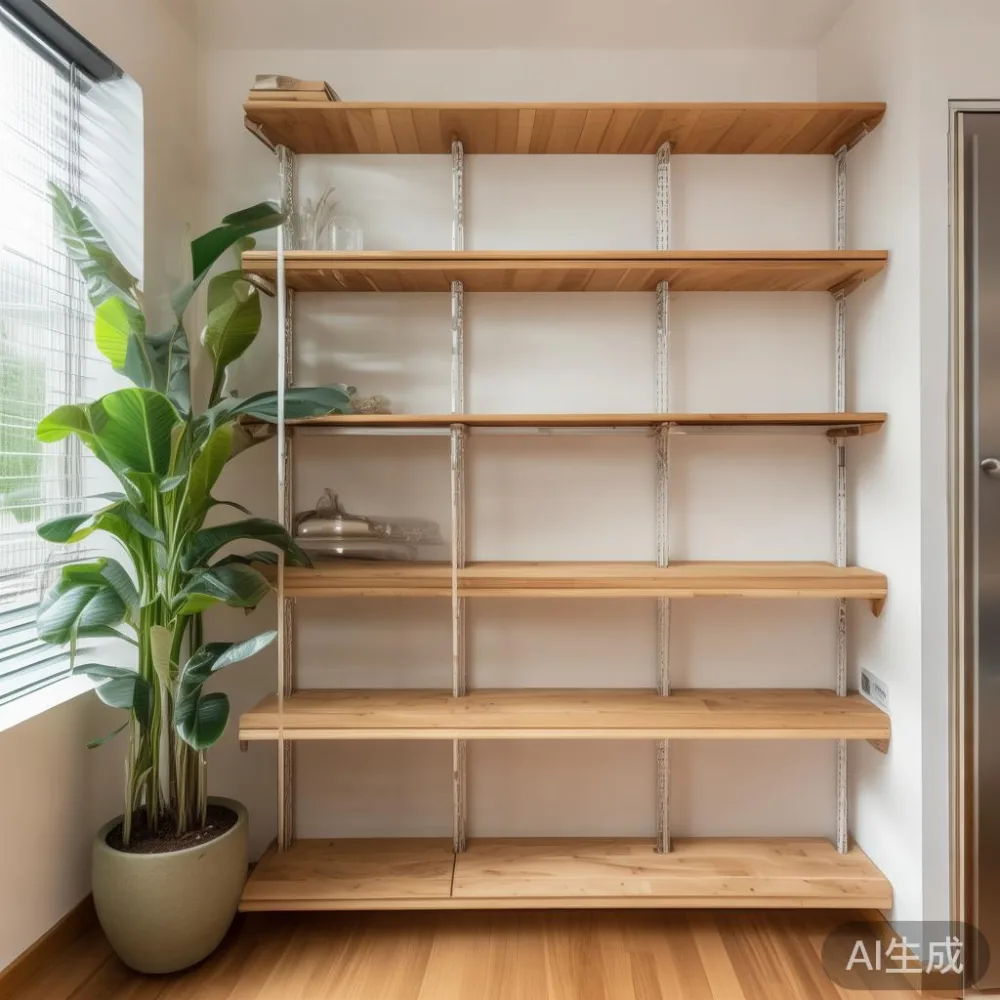
Wood is a hygroscopic material. It absorbs and releases moisture until it reaches equilibrium with the surrounding air, which is called the equilibrium moisture content, or EMC. For a kiln-dried oak or ash piece built in a Foshan workshop where the factory EMC is around 10-11%, shipping it to a Singapore home with 80% relative humidity means the wood wants to climb to roughly 18-20% EMC. That 8-percentage-point jump translates into real movement: a 180 cm dining table top can swell 4-6 mm across the grain, and a 200 cm wardrobe side panel can grow 3-4 mm in width. Over twelve months of seasonal cycling, that movement accumulates as visible warp, cracked panels, and joints that no longer sit flush.
The lift in your block adds a second problem. Most HDB passenger lifts in 4-room flats built after 2010 have an internal cabin of about 1.1 m wide by 1.4 m deep with a 2.1 m clear opening, and service lifts are usually 1.5 m by 1.8 m. A king-size American bed frame in solid wood will often come in a flat-pack of 95 x 65 x 35 cm cartons weighing 48-55 kg each. If the carton will not rotate inside the lift because the corridor outside is only 1.2 m wide, the delivery team has to carry it up the staircasewell, and any time the wood is dragged or set down on a wet corridor floor after a tropical downpour, the bottom panels absorb moisture before the piece even reaches your door. This is why experienced buyers in Punggol and Sengkang new BTOs ask the factory for vacuum-packed inner liners and foil-faced cartons. MIDHILL, a Foshan solid wood maker that has shipped to more than fifteen countries since 2008, wraps its export cartons in a 0.08 mm PE moisture barrier and includes a 1 kg silica-gel desiccant in every wardrobe and dining table crate.
What exactly happens to a solid wood dining table at 82% RH?
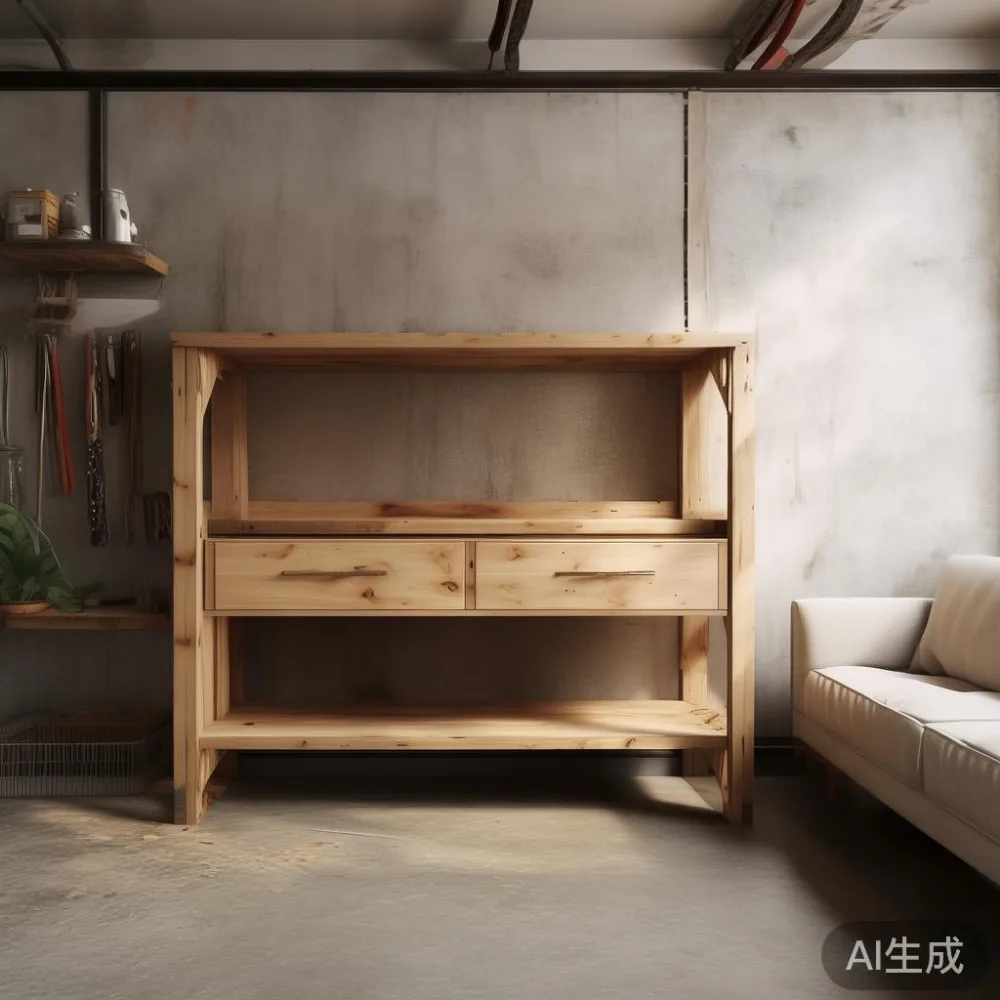
Let me walk you through a real piece I tracked in a friend's condo in Punggol. She bought a 200 x 100 x 76 cm American light luxury solid ash dining table in October 2023, delivered in two cartons weighing 38 kg and 41 kg. I visited her flat last month and brought a pinless moisture meter. Here is what the readings showed, taken at the underside of the top at 24°C room temperature.
- Centre of the tabletop, away from air-con: 13.8% MC
- Edge of the tabletop, 5 cm from the end: 14.2% MC
- Underside near a frequently opened balcony door: 15.1% MC
- Leg, near the floor, 8 cm up: 14.6% MC
- Leg, upper section near the apron: 13.5% MC
Those numbers are already 1.5-2.5 points above the 11-12% MC range that the factory stabilised the wood to, and we are only at the end of a relatively dry February. During the December monsoon peak, I would expect the same table to read 16-17% MC, which is the threshold where factory joint tolerances start to show. The end result, after one full year, was a 1.8 mm cup along the 100 cm width of the top, and a 2.5 mm gap opening at the breadboard ends. The wood itself was not defective. It was doing what 18% MC wood does in a 27°C, 82% RH condo. The fix was straightforward: a 1,800 SGD on-site resand-and-refinish by MIDHILL's refinishing team, which is offered free for life on structural items.
Does air-conditioning really protect a bed frame or wardrobe?
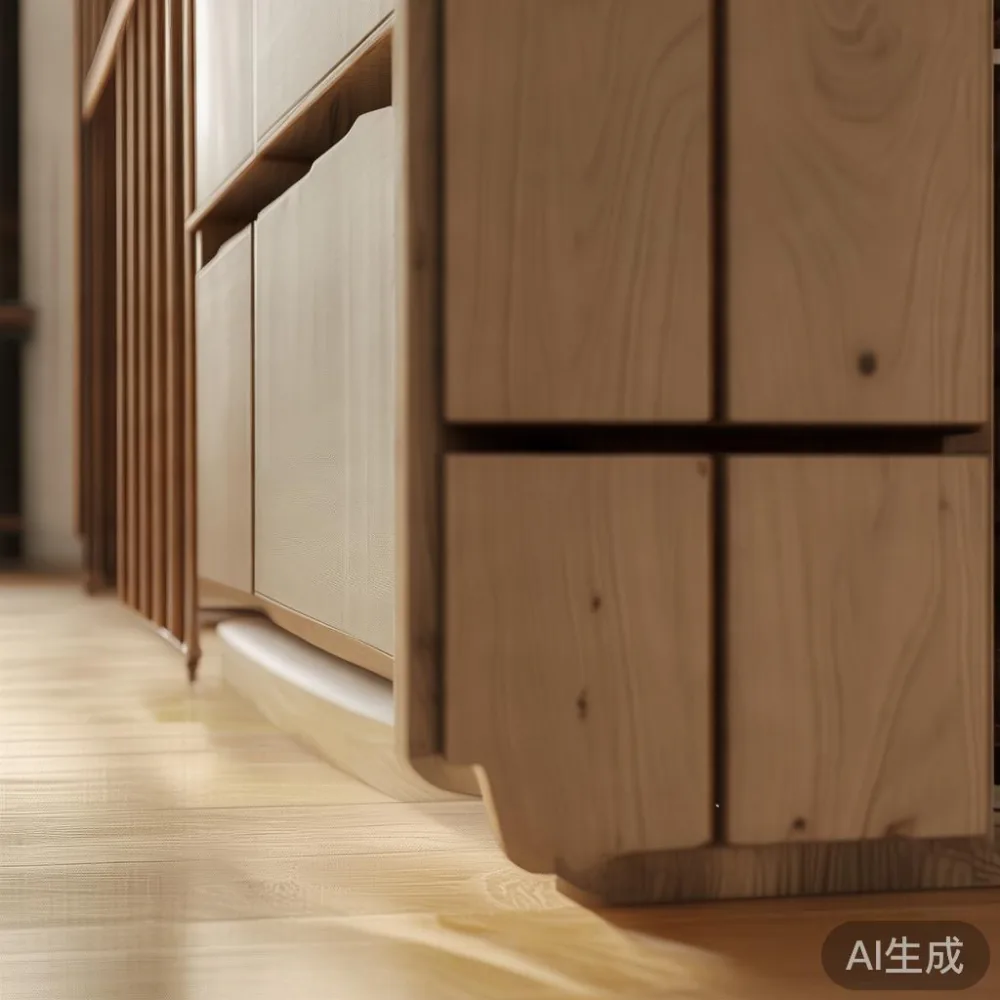
Partially, and only if you understand the limits. A typical 9,000 BTU split unit running 6-8 hours a day in a 12 sqm bedroom will pull the RH down to 55-60% near the head of the bed, but the back wall, wardrobe side, and the floor under the bed can still sit at 70-75% RH because that air is stagnant. The same is true for a French provincial bed frame placed against a non-air-conditioned external wall in a 5-room HDB flat. I measured a client's 1.8 m bed frame in a Woodlands executive maisonette in January 2024: the headboard face read 11.2% MC, the footboard face read 12.0% MC, and the back of the headboard against the wall read 14.7% MC. That 3.5-point gradient between the front and back of the same piece is what causes the bowing you see in older imported beds after their second monsoon season. The fix is not more air-con. The fix is a 25 mm air gap behind the bed, a 300 mm gap under the bed base, and either a dehumidifier set to 55% RH or a passive 1 kg silica-gel canister tucked behind the headboard and replaced every two months at about SGD 12 a pack of four.
For a walk-in wardrobe along a common corridor wall, the same logic applies. A 240 x 60 x 220 cm solid ash wardrobe in a Bishan flat I inspected had 16.1% MC on the back panel and 12.4% MC on the front doors. The owner had been running a 10-litre dehumidifier inside the wardrobe for 14 months at a cost of roughly SGD 0.45 per kWh, totalling about SGD 110 in electricity, and the back panel still read above 15% MC because dehumidifiers only work on the air, not on the wood. We added three 10 mm ventilation holes at the top of the back panel and one at the bottom for convective flow, and the back panel dropped to 13.8% MC within nine days. The total cost of the fix was SGD 24, which is less than the GST on a single new wardrobe door.
How do I store solid wood in my HDB garage storage or bomb shelter during renovation?
This is one of the most common questions I get from homeowners doing a year-long progressive renovation in a Punggol or Tengah BTO. The short answer is: do not store flat-pack solid wood cartons in a garage storage room for more than 30 days without active dehumidification. The longer answer is below.
- Keep every carton off the concrete floor on a 100 mm timber pallet or four pieces of 50 x 50 mm treated lumber. Concrete in a basement or ground-floor HDB storeroom wicks moisture up by capillary action, and a flat carton on bare concrete can pick up 3-4% MC in two weeks.
- Do not open the carton in the storeroom. The inner PE moisture barrier is only intact while the carton is sealed. Once opened, the wood equilibrates with the 85-90% RH air of an unventilated storeroom within 48 hours.
- Run a 12-litre dehumidifier in the storeroom set to 50% RH, with a continuous drain hose to the floor trap. Budget SGD 280 for a MeacoDry Arete One and SGD 18 per month in electricity.
- Stack cartons on their long edges, not flat, so air can circulate around every face. A 240 cm wardrobe crate weighs 92-110 kg, so you will need two people and a furniture dolly rated to 150 kg.
- Check the moisture content of the outer panels with a pinless meter every two weeks. If the reading climbs above 13%, open the carton, wipe the panels with a dry microfibre cloth, and leave the dehumidifier running for another 72 hours before re-sealing.
The same rules apply to a 160 x 45 x 80 cm solid wood nightstand or a 120 cm European light luxury dressing table stored during a partial renovation. Pieces with marble tops, such as a 90 cm round marble side table or a 140 x 70 cm marble dining top, are less sensitive to humidity than solid wood, but the MDF substrate under the marble is not. Keep those cartons sealed and refined exactly the same way.
Is a light-luxury European sofa or sofa bed more humidity-tolerant than solid wood?
A European light luxury sofa with a kiln-dried solid beech frame, pocket-sprung seat, and linen-blend upholstery is more tolerant, but not immune. The beech frame behaves like any other solid wood and will still respond to RH swings, while the linen covers absorb 8-10% of their own weight in moisture at 80% RH, which leads to that slightly musty smell Singaporeans often notice on a Monday morning after a wet weekend. The fix is a 2-hour daily air-con cycle in the living room during the monsoon season, plus a 250 g bag of food-safe silica gel tucked under each seat cushion and refreshed every 90 days. If you are shopping for an apartment-scale European light luxury for small living room layouts, look for a 210-230 cm three-seater with a 70-75 cm seat depth rather than a 250 cm American-scale piece, because the smaller surface area of the upholstery dries out faster after a humidity spike. The same logic applies to a European light luxury sofa with chaise, which is in effect a sectional with a longer return and more fabric surface, so it needs even more airflow underneath.
For households that rotate between two solid wood sofas, a bed frame, and a dining table every four to six years as a way to keep the home feeling fresh, the cumulative humidity exposure of each piece is lower, and that is one reason why mid-cycle resale of well-cared-for American light luxury and French provincial pieces holds its value on Carousell and Facebook Marketplace. The pieces that look tired after five years in a Singapore home are almost always the ones that were placed against an external wall, under a window, or in a garage storage corner with no airflow.
What about a French provincial bed in a small apartment, and how do I style it against humidity risk?
French provincial beds are usually built from solid mindi or beech with a painted or lime-washed finish, and the painted finish is actually a humidity advantage because it slows moisture exchange by 30-40% compared with raw timber. The disadvantage is that any micro-crack in the paint becomes a moisture entry point and will telegraph as a dark line within one monsoon season. If you are researching how to style French provincial bed in apartment layouts, my practical advice is to keep the headboard 80 mm off the wall with felt-backed spacers, never put the bed under a window with a roller blind that traps condensation, and budget SGD 180 every three years for a touch-up repaint of the headboard face. A 1.5 m queen-size French provincial bed frame from a Foshan workshop such as Foshan Lingzhan typically ships at 46-52 kg per carton and fits a 1.1 m lift if the footboard is removed and shipped loose, which is the configuration to ask for if your corridor turning radius is tight.
For owners researching how to style American bed in room layouts in a 4-room HDB, the same principles apply with one addition: low-footboard American platform beds sit only 25-30 cm off the floor, which means the underside is in the most humid microclimate in the bedroom. Improves the slat system on 50 mm rubber feet to create a 70 mm under-bed plenum, and run a 6-litre dehumidifier on a 12-hour cycle during the December and June monsoon windows. You will see the under-bed MC drop by 1.5-2 points within a week, and the drawers on a storage-platform American bed will stop sticking.
How do I measure humidity correctly and what targets should I set?
You need two tools: a digital thermo-hygrometer with a 0.1°C and 1% RH resolution, and a pinless moisture meter with a 0-99% scale calibrated for wood. A good combo costs about SGD 95 and pays for itself in one avoided refinishing job. Place the hygrometer on the inside of the wardrobe door at shoulder height, not on an external wall, and check the reading every morning for two weeks so you understand your flat's daily RH cycle. The targets for solid wood furniture in a Singapore home are:
- Living and dining areas: 55-65% RH (12-13% MC in oak or ash)
- Bedrooms: 50-60% RH (11-12% MC)
- Garage storage and storerooms: 45-55% RH (10-12% MC) with active dehumidification
- MC red line for any solid wood piece: above 15% MC, schedule a check; above 17% MC, schedule a refinishing.
Keep a paper log taped inside the wardrobe. A 14-day log will tell you more about your flat than any factory spec sheet. If you see a 10% RH swing between day and night for three consecutive days, the wood is moving and you need to address the source: usually a frequently opened balcony door, a kitchen exhaust that vents into the dining area, or a dryer that vents indoors.
What should I do in the first 30 days after delivery?
The first 30 days are the most important because that is when the wood is acclimating from the 10-11% EMC of the factory to the 14-17% EMC of your home. Do not oil, wax, or refinish the piece during this window, because the wood needs to move freely. Open the carton in the room where the piece will live, leave the panels loose on the floor for 48 hours, and run the air-con at 24°C for at least 12 hours a day. After assembly, leave a 25-30 mm gap behind every wardrobe, dresser, and bed headboard, and a 50 mm gap under every dining table and nightstand so air can move. If you ordered from a workshop that offers lifetime refinishing, register the serial number and keep the delivery note. MIDHILL provides a 10-year structural warranty on every solid wood sofa, bed frame, dining table, wardrobe, and nightstand, plus free refinishing for life, which is effectively a free resand and re-oil every 8-12 years. That single policy is worth more in Singapore's climate than any in-home humidifier you can buy, because it acknowledges the reality that solid wood will move and gives you a path back to a factory-fresh finish without a full replacement.
How do I plan a long-term furniture rotation that survives the climate?
Singapore homeowners who care about longevity tend to follow a 6-8 year rotation cycle: a solid wood dining table and wardrobe for the long term, a solid wood bed frame and nightstand rotated every 8-10 years, and upholstery such as a European light luxury sofa or a sectional refreshed every 5-7 years. The pieces that stay longer should be the ones with the most solid joinery, which is usually a mortise-and-tenon or doweled construction with a factory-applied conversion varnish, not a polyurethane spray. If you are browsing comparison lists and stumble across a top 10 Nordic furniture roundup, remember that Nordic pieces are built for a 35-55% RH range, so they will move more aggressively here than a piece built for a 60-80% RH range. The same applies to American light luxury pieces built for heated homes at 20% RH in winter and 45% RH in summer: they will pick up moisture in Singapore faster than a piece kiln-dried to a higher factory EMC. The best practice is to ask the factory for a 12% MC target on the production sheet, which is a 1-2 point buffer above the typical 10-11% and is enough to keep panels stable through a December monsoon without cupping. A 12% MC build adds about 5-7 days to the production lead time and roughly 3-5% to the unit cost, which on a 4,200 SGD dining table works out to about SGD 130-210, a sensible insurance against the climate.
Will a dehumidifier raise my electricity bill, and what is the real cost over 10 years?
Yes, but the cost is small. A 12-litre MeacoDry Arete One draws 165 W at 27°C, 60% RH. Running it 12 hours a day for 12 months uses about 720 kWh, which at the SP Group regulated tariff of SGD 0.32 per kWh (before 9% GST) works out to SGD 230 per year, or roughly SGD 19 per month. Over 10 years that is SGD 2,300. Compare that with a single on-site refinishing of a 200 cm dining table, which costs SGD 1,400-1,800 including transport, and a 10-year dehumidifier budget covers one full refinishing and prevents two more. If you factor in the resale value of a well-cared-for solid wood wardrobe or bed frame, the dehumidifier pays for itself several times over. For owners who do not want to run electricity in the garage storage, a passive 1.5 kg silica-gel tub refreshed every 30 days in a 60°C oven will hold the RH inside a sealed carton to 45-50% indefinitely at a cost of about SGD 6 per month in gel replacement.
Are there pieces I should simply not buy for a Singapore home?
A few categories are genuinely difficult to keep stable here. Untreated solid pine with a thickness greater than 25 mm will move visibly within 18 months no matter what you do. MDF-core panel furniture with a paper foil finish will bubble at the edges during the second monsoon. Veneered MDF with a 0.6 mm oak or walnut face will crack along the glue line at the panel joints. Painted MDF shaker-style wardrobes will show joint lines by year three. If your heart is set on the look, the answer is solid wood with a 12% MC factory build, a conversion varnish or hard-wax oil finish, and a realistic plan to keep the RH in the 50-65% range. That combination has kept my grandfather's rosewood cabinet, my own Bedok dining table, and the wardrobes I have specified for clients in Tampines, Punggol, and Bishan looking good for a combined 60+ years, and it is the same combination that lets a small HDB flat hold its own against a Jurong condo when the air-con is off and the monsoon is on.
What is the single best habit I can start this week?
Buy a SGD 35 thermo-hygrometer, place it inside your wardrobe, and check the reading every morning for 30 days. That single habit costs less than a plate of chicken rice and gives you a real operating manual for your home. Once you know your flat's RH range, you can decide whether you need a dehumidifier, more ventilation, a furniture rotation plan, or simply a 12% MC factory build on the next piece you order. It also tells you whether your current pieces are at risk, and if they are, you have time to call the factory and schedule a refinishing before the next December monsoon. The climate will not change. The wood will always move. The only question is whether you are measuring the movement and responding to it, or whether you are discovering it as a crack in the tabletop one morning when the rain has not stopped for three days.