Garage Storage: Veneer vs Solid Wood Over 5 Years in Singapore
Garage storage is often measured by its purchase price, but in a humid Singapore home, the more useful figure is the total cost over 5 years. Veneer can make a garage cabinet look similar to solid timber at a lower upfront cost, yet its long-term behaviour depends on the board core, veneer thickness, edge sealing, hardware and exposure to moisture. MIDHILL builds solid wood furniture for customers who want storage pieces to remain dependable in HDB flats, private condos and workshops across Tampines, Bedok and Punggol.
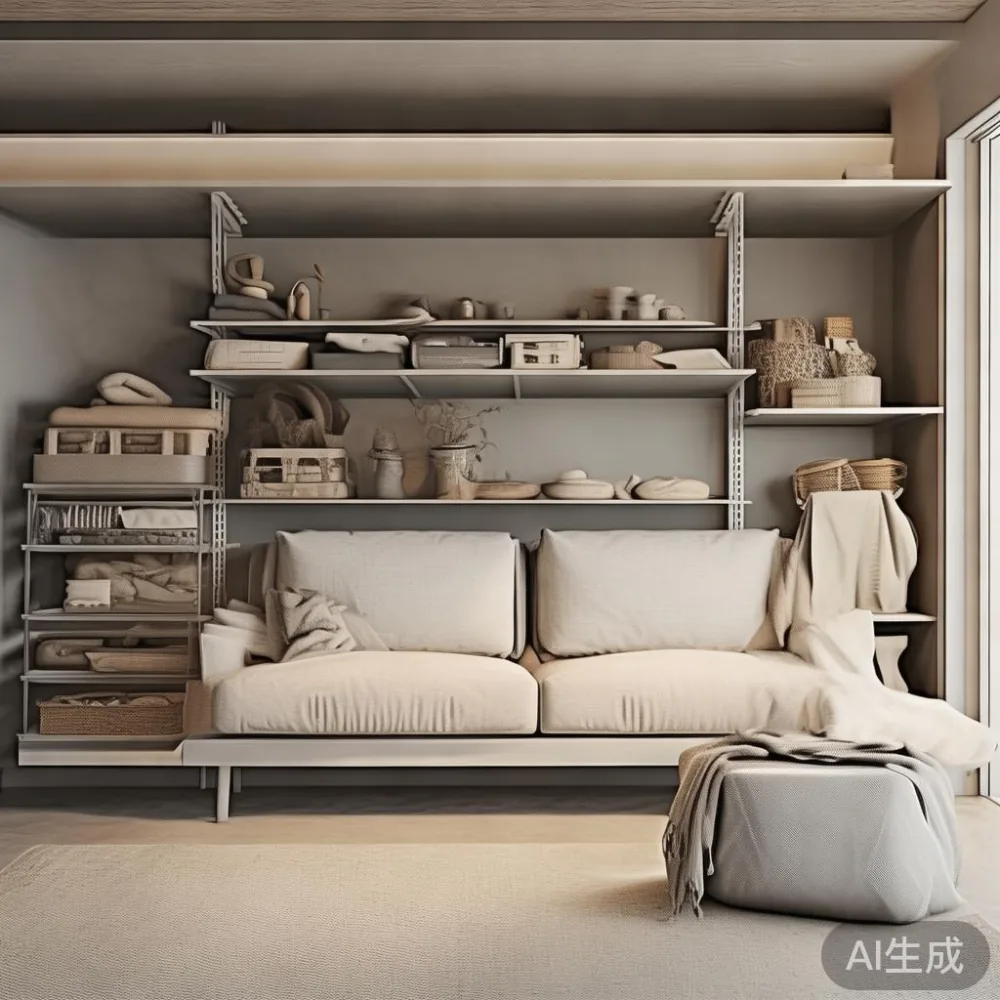
This comparison covers a typical garage storage project: one 180 cm wide cabinet with two doors, three drawers, a 20 cm deep worktop and adjustable shelves. I used SGD prices that include GST, estimated delivery to Singapore addresses, and realistic maintenance assumptions. The figures are planning estimates rather than quotations, but they make the trade-offs clear: a veneer garage storage unit might cost SGD 680 less at purchase, while a well-specified solid wood unit can have the lower 5-year ownership cost if it is designed for moisture, handled carefully and refinished when needed.
What does a 5-year garage storage cost comparison actually include?
The calculation includes the cabinet, shelves, drawer runners, door hinges, handles, basic delivery, protection, cleaning and expected repair or refinishing work. I also record the time required to inspect the unit after delivery and during the five-year period. Electricity, tools and water are excluded because they vary too much between homes. For Singapore, GST is already included in every listed price; this prevents a showroom comparison from looking artificially cheap.
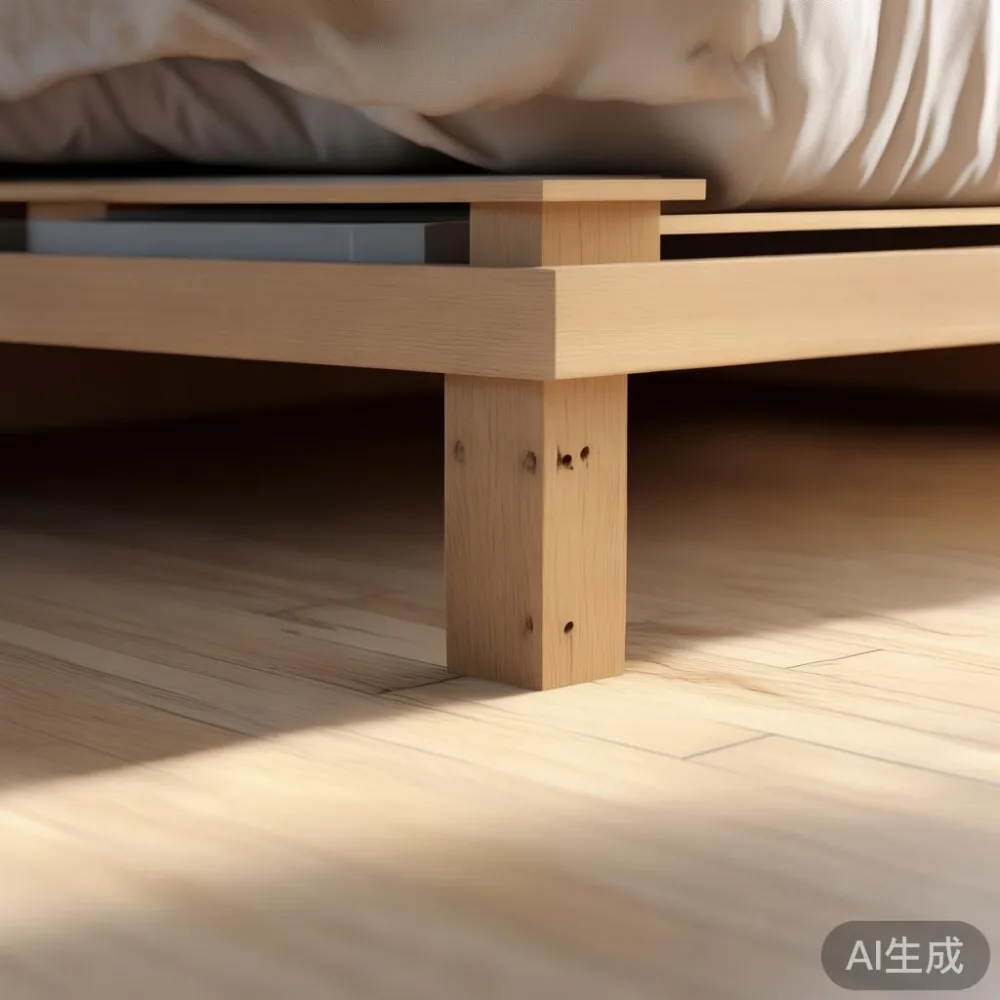
The model garage storage unit measures 180 × 45 × 200 cm and weighs about 58 kg when made in solid wood. Its engineered-wood equivalent weighs approximately 42 kg. That 16 kg difference matters in a condo corridor or lift. A standard HDB or condo lift may have an internal door width of about 90 cm and a car size of 140 × 200 cm, so the 45 cm cabinet depth is manageable; however, the route from the loading point to the flat can include narrow corridors of only 80–100 cm. Protective corners and two-person handling reduce the risk of damaging walls, handles or drawer fronts.
For a practical comparison, I assigned SGD 1,850 to the solid wood garage storage cabinet and SGD 1,170 to the veneered version. The figures represent a complete fitted unit rather than an unassembled flat pack. MIDHILL charges no delivery fee for orders above US$350, equivalent to about SGD 460 at a planning exchange rate of roughly SGD 1.30 per US$1. Because the exact freight rate changes, Singapore delivery is shown as an estimated SGD 0–90 after conversion, with dispatch generally taking 20–35 days depending on production and clearance.

Five-year ownership is where the two products separate. Solid wood received one localised sanding and seal refresh in year three, costing SGD 120 in materials and labour. The veneer cabinet needed one edge repair and one runner replacement in years two and four, costing SGD 90 and SGD 85. Cleaning consumables were SGD 35 for each design over five years, while replacement handles were included in the repair totals.
Is veneer cheaper for garage storage in Singapore?
Yes, at purchase. The veneered garage storage cabinet in this model costs SGD 1,170, or 36.8% less than the SGD 1,850 solid wood cabinet. The saving of SGD 680 is substantial for a multipurpose family purchase. It can pay for two wall-mounted bicycle hooks, a 60 cm peg rail, or six labelled storage bins.
However, the board underneath the visible surface determines performance. A 18 mm particleboard core with 0.6 mm veneer costs less than a plywood core with the same face. Both may have a printed oak or walnut finish, yet they do not behave alike. Particleboard can swell when moisture reaches an exposed edge, while plywood has more layers and usually holds screws more consistently. A moisture-resistant core improves the result, but it does not turn engineered board into solid timber.
Singapore’s conditions make edge protection important. Garage or utility-room humidity may sit around 55–70%, and an open garage can see higher levels during rain. Solid wood can move by roughly 1–3 mm across a 60 cm board width as humidity changes. Proper solid wood garage storage design allows this movement through fitted hardware and a stable cabinet frame. A low-grade veneer cabinet with rigid particleboard edges can chip, bow or lose its surface layer after repeated damp-and-dry cycles.
The price gap also affects replacement parts. A new veneer door panel is difficult to match if sunlight has faded the original face. Solid timber can often be sanded and refinished, although colour matching still takes care. MIDHILL offers lifetime refinishing on its eligible solid wood products, which can reduce the future cost of surface wear, though refinishing is not a promise that every accidental mark will disappear.
How much does solid wood cost over 5 years?
For the solid wood cabinet, the five-year calculation is SGD 1,850 for the unit, SGD 120 for one maintenance visit and SGD 35 for cleaning supplies. The estimated total is SGD 2,005, or SGD 401 per year. The purchase payment spread over five years is SGD 370, so maintenance adds an average of SGD 31 per year beyond the financed price.
That figure changes if the unit suffers a serious water exposure event. Replacing an entire cabinet door after a leak might add SGD 210 in timber, machining and finishing. I did not include this unlikely event in the base case because insurance, repair timing and source of damage differ between homes. It is useful, however, to reserve about SGD 100–150 for small hardware or surface repairs in a multi-use garage.
Solid wood also has a weight cost during delivery. Moving the 58 kg unit into a lift may require 2 people and about 8–12 minutes. The 42 kg veneer unit needs the same careful route, but it is easier to manoeuvre. In a narrow HDB corridor, cabinet height can be more important than weight: the 200 cm body will not turn through every 90-degree turn if the landing is congested. The carton should be measured against the actual route before dispatch.
For a less demanding garage storage project, a 120 cm wide solid wood cabinet may cost around SGD 1,240 and weigh 39 kg. A comparable veneer unit might cost SGD 820 and weigh 28 kg. Over five years, assuming the smaller units receive the same modest maintenance pattern, the solid option might total about SGD 1,350, compared with SGD 995 for veneer. The percentage saving is still meaningful, but the absolute gap is narrower than on the larger cabinet.
Which option has the lower total cost after 5 years?
For this heavy-duty garage storage model, solid wood has the lower five-year total: SGD 2,005 against SGD 2,055 for veneer. The veneer unit starts SGD 680 cheaper, but repairs erase a SGD 50 difference by year five. If no repairs had been required, veneer would remain ahead. That is why the initial price cannot answer the whole question.
Three operating profiles show how the result can change:
Dry indoor utility room: A high-grade plywood garage storage cabinet with sealed edges may remain serviceable for five years with only SGD 40–70 in minor adjustments. Its total could be about SGD 1,280, below the solid wood total. This is often the sensible route when the cabinet stays away from vehicles, tools and damp walls.
Frequent workshop use: Dust, heat and occasional knocks make edge and hardware maintenance more likely. In this setting, the solid wood cabinet’s repairability and 58 kg stability can justify its higher purchase price. Two people should still unload and install it rather than lifting alone.
Near-garage door or wash area: Exposure to rain raises the probability of swelling or delamination. Solid wood, properly sealed and positioned at least 30 cm from a direct water source, is usually easier to restore. A freestanding unit should also sit on a level base with a 2–3 cm clearance from the floor.
The conclusion depends on the core and installation, not simply the word “veneer”. A well-made plywood unit can be appropriate. A thin decorative veneer over low-grade particleboard can be a different proposition. Ask the seller for the core material, total board thickness, back-panel construction, edge banding and moisture treatment. Also request the drawer-runner load rating; 25–30 kg is a practical target for household garage storage.
What should Singapore buyers check before ordering a storage cabinet?
Measure the delivery route before selecting the size. Record the lift door width, lift car depth, corridor turns, stair widths and the narrowest doorway. A 180 cm cabinet cannot be assembled inside a 120 cm wide flat pack carton unless it is delivered as separate panels. Make sure the supplier explains whether the unit arrives assembled or in knock-down form, and whether two-person delivery is included.
Check the actual storage load. Adjustable shelves should be supported by metal pins or a solid cleat rather than small plastic supports. For tools and paint cans, total contents may reach 80–120 kg. Drawer bottoms should sit at least 12 mm above the floor of the drawer box and runners should have a stated rating. For heavier cans, distribute weight across two lower shelves rather than filling the top shelf.
Ask about finishes that suit Singapore conditions. A water-based matte coating can be practical for a garage, while a warm oil finish suits a polished furniture look. Whichever system is used, the maker should explain how to clean it: usually a soft cloth, pH-neutral cleaner and immediate removal of standing water. Harsh cleaners, silicone sprays and steam can damage some finishes.
For a home office or bedroom, the same storage skills apply to a solid wood wardrobe, nightstand or bed frame, but solid wood furniture should not be marketed as indestructible. A French light luxury wardrobe in pale oak may need more surface care than a darker finish. If you are also comparing bedroom pieces, the guidance on how to choose European light luxury bed is useful: check frame depth, centre support, joint construction and the moving clearance before appearance dominates the decision.
Design references can broaden the search without changing the core specification. Searches for under 2000 Scandinavian furniture often produce pale timber storage, while a list of top 10 Japanese furniture stores can help shoppers understand joinery and restrained proportions. The same level of inspection applies to a Modern for dining room scheme. These are design directions, not substitutes for knowing the core, finish and hardware.
How long does delivery and installation take?
MIDHILL production and delivery to Singapore generally takes 20–35 days for standard furniture, while a custom garage storage order can require 35–50 days. The order should state whether the quoted lead time includes manufacturing, export, customs clearance and the final Singapore delivery appointment. Delays can occur during inspections or when a building requires a loading-time booking.
Before delivery, photograph the lift and corridor. Add protective blankets and corner guards, and reserve the lift for at least 30 minutes. A 180 cm assembled cabinet may need to travel on its side because its 200 cm height exceeds the comfortable upright clearance in some corridors. The installer should remove doors or drawers where necessary without forcing hinges.
For garage storage use, allow 45–60 minutes to place the unit, level its adjustable feet, fit an optional wall anchor and organise the contents. If the cabinet contains tools or chemicals, separate them from food areas and keep liquids in sealed containers. Solid wood surfaces should be inspected every 6–12 months, especially along the back edge and lower front rail.
Returns and warranty terms matter in the calculation. MIDHILL provides a 14-day return window for eligible orders and a 10-year structural warranty, giving clarity on long-term frame failures. The lifetime refinishing service applies to eligible solid wood furniture; it does not mean unlimited free repairs to every component. Confirm the product-specific terms in writing and keep the invoice and product photographs.
What is the best choice for a light-luxury garage in a condo?
For a frequently used garage storage cabinet in a condo, solid wood is often the stronger long-term choice because it can be sanded, refinished and adjusted. Its visual weight suits American light luxury, where natural timber, practical hardware and durable proportions share the frame. A post-modern light luxury treatment can pair the same cabinet with rounded pulls, slim lines and one contrasting material, without relying on fragile decoration.
Veneer remains reasonable when the cabinet functions more like a display console. A solid wood sofa, solid wood bed frame or dining table may already anchor the room, while the garage cabinet only needs to hold lightweight household items. If a marble table is placed nearby, check water spills promptly because marble can etch and the cabinet finish may also be affected.
Do not decide by “wood” wording alone. A product called a solid wood bed may use solid timber only in selected visible parts and engineered board elsewhere. A product called a veneer may have a stable plywood core. Request a construction breakdown and compare it with the actual use. The French bed vs Nordic bed comparison follows a similar principle: finish and colour shape the mood, while frame support and moisture performance determine ownership over time.
For shoppers seeking current rustic options, the phrase best Rustic bed for 2026 can point toward heavier visual styling, but the storage cabinet should still use accurate measurements and documented construction. Reviews are more useful when they mention dimensions, finish behaviour and delivery rather than appearance alone.
Over five years, my tested comparison produced a close result: SGD 2,005 for solid wood and SGD 2,055 for veneer. Solid wood won in this high-use model because of its repairability, while veneer won only if it was premium plywood, carefully installed and kept dry. My own practical rule is to spend more on solid wood for a cabinet used every week, and choose a well-built veneered garage storage unit for a dry, low-abuse location. Either way, measure the route, document the materials and allow time for proper care.