What Actually Drives the Price of Solid Wood Furniture?
For homeowners in Singapore, especially those working through the compact spaces of HDB flats and condos in areas like Tampines, Bedok, and Punggol, furniture is a significant investment. We often see a price tag on a solid wood wardrobe or a marble table and wonder, 'What am I really paying for?' The answer is rarely simple. The price of a piece of furniture, particularly one made from genuine solid wood, is a reflection of a complex interplay of factors, from the raw material itself to the journey it takes to reach your home. Understanding these elements can transform a confusing price tag into a clear value proposition, helping you make a more informed decision for your living space.
Is It Just the Wood? The Foundation of Price
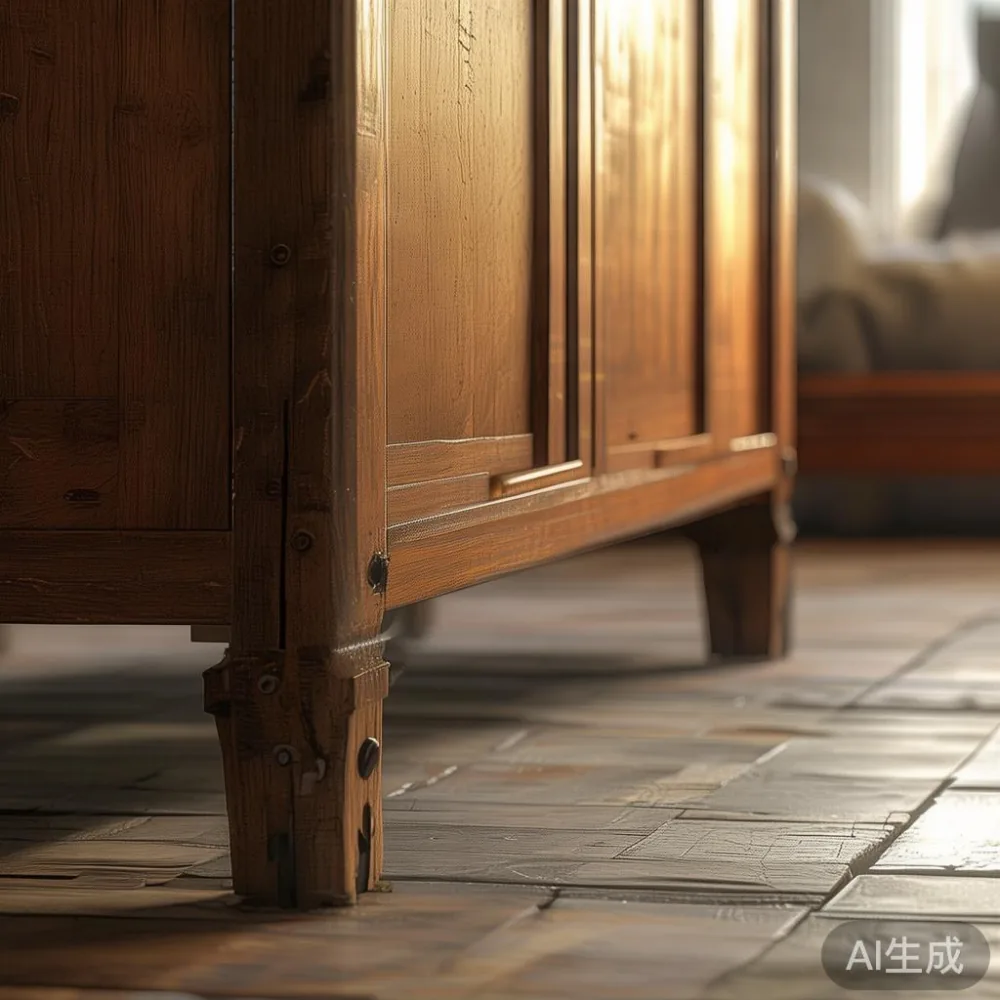
At its core, the price of any solid wood furniture begins with the raw material. Not all wood is created equal. The species of wood is the first major determinant. Common hardwoods like Oak, Walnut, and Mahogany are denser, more durable, and often more expensive than softer woods like Pine or Rubberwood. For instance, a solid wood sofa frame made from European Walnut will command a higher price than one crafted from Pine due to the former's superior grain, stability, and longevity. The origin of the wood also plays a role. Timber from sustainably managed forests, often certified by bodies like the Forest Stewardship Council (FSC), can carry a premium, reflecting an ethical and environmentally conscious production process.
Next is the grade of the lumber. Furniture is made from different 'grades' of wood, which refer to the quality and appearance of the timber. 'Select' grade wood has a uniform colour, minimal knots, and a straight grain, making it the most visually appealing and expensive. 'Common' grade wood may have more knots, colour variations, and natural imperfections, which is perfectly functional but results in a lower price point. When you see a price difference between two seemingly similar wardrobes, the wood grade is often a hidden factor. A higher-grade piece will have a more refined, consistent look, while a lower-grade piece will showcase the wood's natural, rustic character.

Finally, the amount of solid wood used in a piece is critical. A nightstand might be made from solid wood top and legs, with plywood or MDF (Medium-Density Fiberboard) for the back and sides. This is a common and cost-effective construction method. However, a high-end piece might be 'all-solid wood,' meaning every component, from the drawer bottoms to the back panel, is crafted from the same solid timber. This significantly increases the material cost, weight, and price. A solid wood wardrobe that is 100% solid wood will be substantially heavier and more expensive than one with a solid wood frame but engineered wood panels.
The Unseen Craftsmanship: Labour and Manufacturing Details
Wood is just the beginning. The true value of a piece of furniture is unlocked through craftsmanship. The method of construction is a primary driver of cost. 'Dovetail' joints, where interlocking wedge-shaped 'tails' and 'pins' hold two pieces of wood together, are a hallmark of quality. This technique, often used in drawer construction, provides incredible strength and prevents the drawer from pulling apart over time. A drawer with simple butt joints secured with nails or staples will be much cheaper but far less durable. The difference in labour to hand-cut dovetail joints versus machine-cut ones is significant, and this is reflected in the final price.
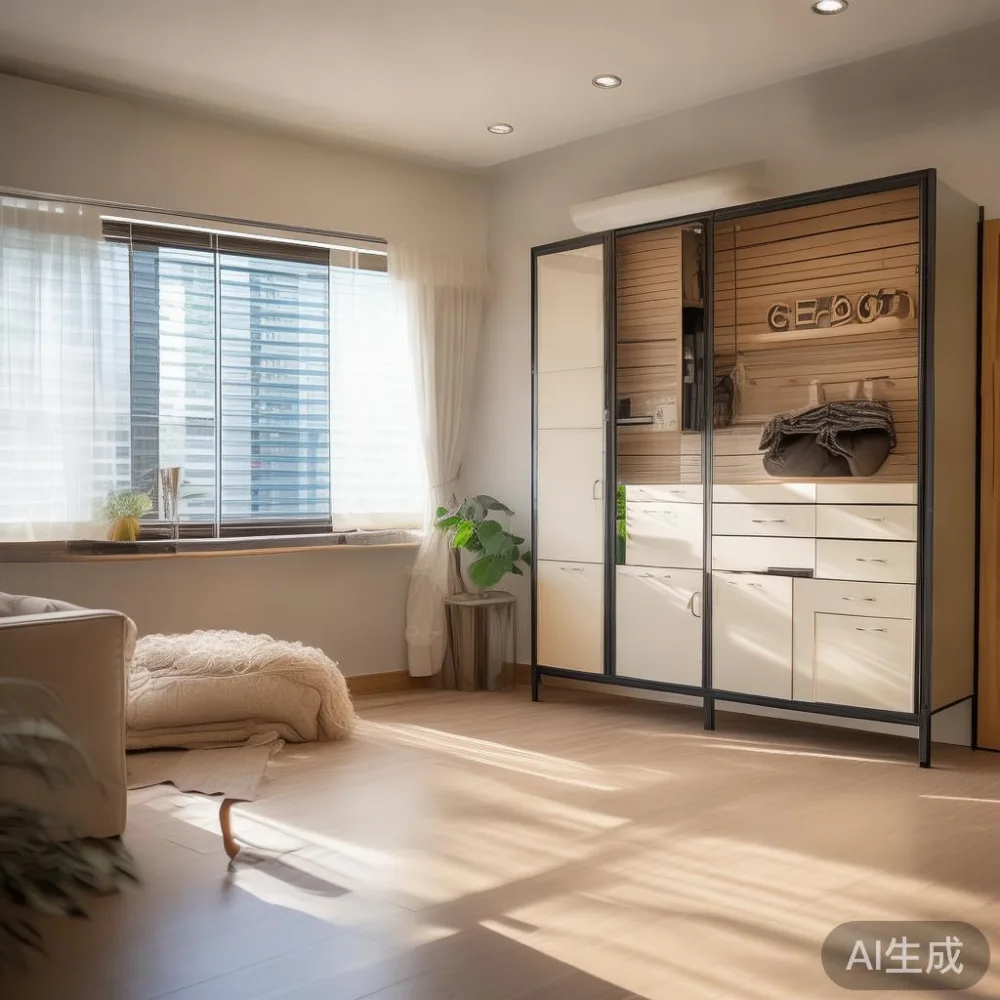
Finishing is another area where costs can vary dramatically. A simple, clear lacquer finish protects the wood but shows every scratch and fingerprint. In contrast, a hand-rubbed oil finish penetrates the wood grain, enhancing its natural beauty and making it easier to repair minor scuffs. For a marble table, the finishing involves not just the wood base but also the polishing and sealing of the marble slab itself, which requires specialised equipment and skill. The number of coats of finish, the type of materials used (e.g., lacquer, varnish, oil), and the time taken to apply and sand each layer all contribute to the labour cost. A French provincial dining table, for example, often features a multi-layered painted finish with a subtle distressing, a labour-intensive process that adds to its price.
The scale of production also impacts the final cost. A small, independent workshop might create each piece by hand, resulting in a unique, high-quality product but at a higher price per unit. Large manufacturers, like Foshan-based MIDHILL which has been producing solid wood furniture since 2008, benefit from economies of scale. They can invest in advanced machinery for precise cutting and assembly, and their bulk purchasing power for raw materials lowers the cost per item. This allows them to offer well-made furniture at a more accessible price point, balancing quality with efficiency for a global market.
Design, Branding, and The 'Light Luxury' Factor
Why does a minimalist Scandinavian design cost more than a basic, generic-looking piece? The answer lies in design and intellectual property. A distinctive design, whether it's the clean lines of a Nordic light luxury sofa or the bold curves of a post-modern light luxury bed frame, is the result of a designer's creativity and expertise. Companies invest in research and development to create original styles that stand out in a crowded market. This design R&D cost is amortized across the units sold, adding to the price of each piece. A simple, unbranded design that copies existing styles has virtually no design cost, making it cheaper.
Brand reputation and heritage also carry a price tag. A brand with a long history, like MIDHILL, has built a reputation for quality and reliability over more than a decade. This trust is earned through consistent product performance and customer service. Consumers are often willing to pay a premium for a brand they believe will deliver on its promises. This is why a top 10 Modern light luxury furniture brand can command higher prices than an unknown manufacturer; the brand itself is part of the product's value.
The concept of 'light luxury' is a key positioning in the market. This style focuses on high-quality materials, clean aesthetics, and a sense of understated elegance, as opposed to ornate, traditional luxury. An Italian light luxury bed, for instance, might feature a simple, sculptural frame made from solid wood with fine leather or premium fabric accents. The price reflects the curated design, the quality of materials, and the sophisticated look that defines the category. As we move towards 2026 light luxury furniture trends, we see a continued emphasis on sustainable materials and multi-functional designs, which further influences the cost of production and, consequently, the retail price.
Getting It to Singapore: The Logistics and Local Factors
A significant portion of the price you pay covers the journey from the factory to your home. For a brand exporting to 15+ countries, logistics are a major expense. This includes international shipping from the factory in Foshan to Singapore, which can cost several thousand Singapore Dollars for a full container load. There are also import duties and, of course, the 9% Goods and Services Tax (GST) applied to the landed cost of the goods. This GST is a mandatory addition for all furniture sold in Singapore, directly increasing the final price the consumer pays.
p>Local delivery and installation are another cost component. Singapore's urban environment presents unique challenges. Delivering a large wardrobe or a solid wood dining table to an HDB flat in Tampines requires a vehicle that can work through narrow roads and potentially tight corners. The delivery team must be familiar with common building layouts. For example, they need to know the standard lift and corridor widths in HDB blocks and condos to ensure the furniture can be moved into your unit without damage. A professional delivery service that handles this with care, including disassembling doors if necessary and protecting your floors, adds to the cost but provides peace of mind.After-sales services are also factored into the price. A reputable brand will offer warranties and support. A 10-year structural warranty, for instance, is a significant commitment. It means the company stands behind the integrity of its joinery and frame construction for a decade. This warranty is backed by the manufacturer's confidence in its product and represents a real cost in terms of potential repairs and quality control. Similarly, a lifetime refinishing service, offered by some premium brands, allows you to restore the furniture's finish decades later, ensuring its longevity. These services are not free; they are built into the initial price to provide long-term value to the customer.
Why Does a Garage Storage System Cost So Much? A Real Breakdown
When we apply these principles to a specific category like garage storage, the cost drivers become very clear. A garage storage system is not just a few shelves; it's a custom-built solution designed to maximize space and organize belongings. The price of a high-quality solid wood garage storage unit is driven by the same factors as any other furniture, but with an added emphasis on durability and functionality.
Last month, I visited a client's home in a Punggol condo. He had purchased a basic, flat-pack garage storage system from a big-box retailer. After just one year, the shelves were sagging under the weight of his tools, the particleboard had swollen from the humid Singapore air, and the entire system was wobbly and unsafe. He needed a replacement. He was shocked when he saw the price for a solid wood garage storage system from a specialist like MIDHILL. I explained to him exactly where the money was going. The solid wood frame, likely made from a durable hardwood like Rubberwood or Oak, costs 3-4 times more than the particleboard used in his old unit. The heavy-duty drawer slides, rated for 30kg per drawer, are industrial-grade and far more expensive than the flimsy plastic ones in his previous purchase. The finish on the solid wood is a marine-grade varnish, designed to withstand dust, occasional moisture, and temperature fluctuations in a garage environment. The price also includes the cost of a professional site survey to ensure the unit fits perfectly in his allocated space and the peace of mind of a 10-year warranty against structural failure. For him, the higher upfront cost was a clear investment in a system that would last for decades, not just one year.
The final price of a garage storage system is a composite of high-quality materials, precision engineering for heavy loads, durable finishes suited for a non-climate-controlled space, and professional services like measurement and installation. It's a system designed to perform a difficult job reliably, and that reliability has a tangible cost.
European Sofa vs Modern Sofa: Is There a Price Difference?
This question often comes up, and the answer is yes, there is usually a price difference, driven by design philosophy and material choices. The distinction between a European sofa and a Modern sofa often lies in their construction and aesthetic. A traditional European sofa, think of a classic Chesterfield, is typically built with a very solid, often hand-tufted frame and may use more expensive, traditional upholstery materials like top-grain leather. The construction is heavier and more ornate. A Modern sofa, in contrast, often prioritizes clean lines, lighter forms, and may use a combination of solid wood for the legs and frame with high-performance fabrics or leather for the cushions. The frame might be slightly less massive, using engineered wood components in non-structural areas to reduce weight and cost. The choice of fabric is also a key factor. Performance fabrics that are stain-resistant and easy to clean are common in modern designs and can be more expensive than standard fabrics. Ultimately, the price difference comes down to the materials used, the complexity of the design, and the type of craftsmanship involved. Both can be high-quality, but they cater to different tastes and functional needs.
How to Evaluate Price Like a Specialist
Now that you understand the factors, how do you work through the market? The key is to shift from looking at the total price to analysing the price per year of use. A SGD 2,000 solid wood dining table that lasts 20 years costs you SGD 100 per year. A SGD 800 particleboard table that needs to be replaced in 5 years costs you SGD 160 per year. In the long run, the more expensive piece is often the better value. Always ask about the warranty. A 10-year structural warranty is a strong indicator of the manufacturer's confidence in their joinery and material quality. A 1-year warranty suggests a lower expectation of durability.
When shopping online, check for details. Look for product specifications that mention the wood species, the type of joints used (dovetail, mortise-and-tenon), and the finish type. Reputable brands will provide this information. For instance, you can often find detailed product information and even 3D room planners on a brand's website, like api.midhill.co, to help you visualize the piece in your space. Be wary of prices that seem too good to be true. A solid wood wardrobe for SGD 500 is almost certainly made from a very low-grade wood, with plywood components, and will likely not last. Focus on the value proposition: the right materials, solid construction, and a brand that stands behind its product. For Singaporean homes, where space is at a premium and furniture is a long-term investment, choosing well-made pieces is a decision that pays off in comfort, function, and peace of mind for years to come.