Styling Small Singapore Apartments Without the Crowded Feel
Living in a Singaporean apartment, whether it's a compact 4-room HDB flat in Tampines or a stylish condo in Punggol, presents a unique design challenge: creating a home that feels spacious and uncluttered, not cramped. The reality of narrow lift corridors, standard-issue HDB layouts, and the premium on every square metre means that furniture choice and storage strategy are not just about aesthetics—they are about reclaiming your living environment. The key is not to own less, but to own smarter, choosing pieces that serve multiple functions and integrate smoothly into your space.
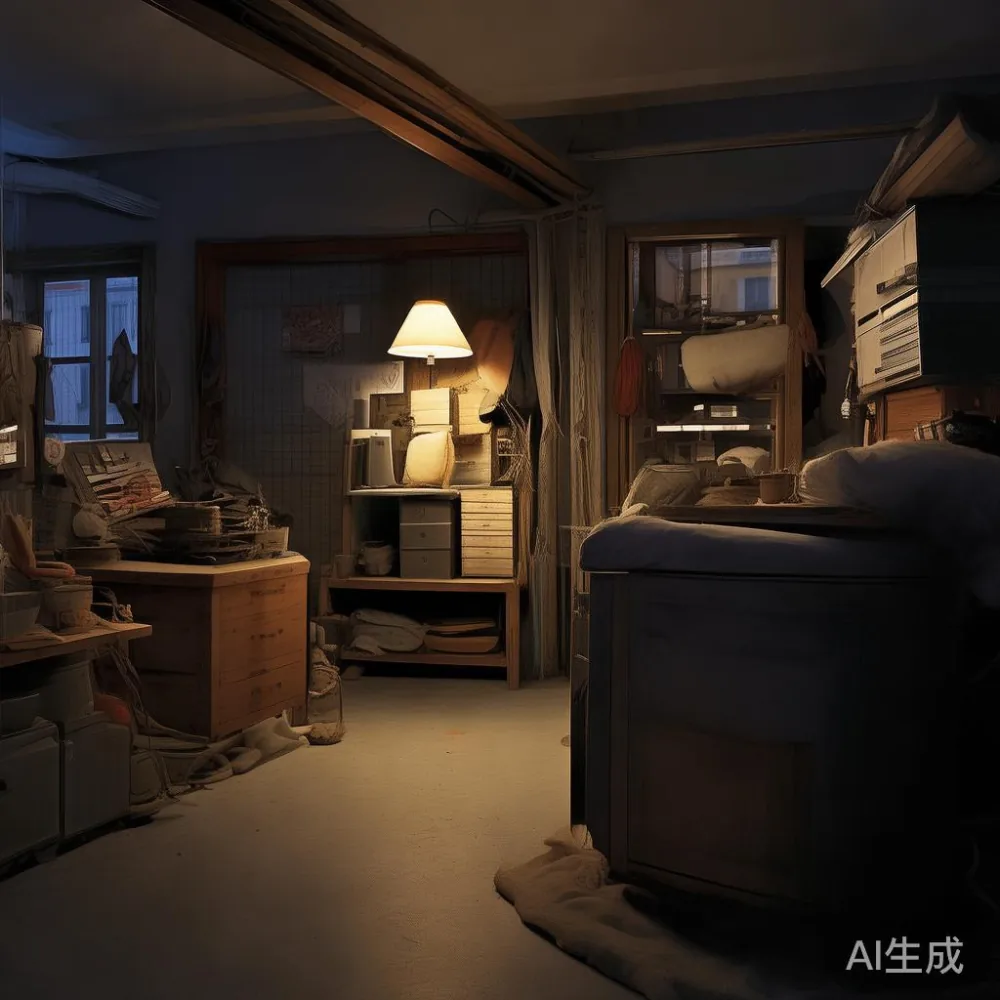
My colleague, who recently moved into a new executive condominium in Bedok, shared his struggle. His living room, a modest 25 square metres, was quickly filling up with mismatched furniture, leaving a 60cm walking path that felt more like an obstacle course than a comfortable home. He was frustrated and overwhelmed. The turning point came when he focused on a single principle: every piece of furniture must earn its place. This meant prioritising items with built-in storage, clean lines, and a cohesive design language. It’s a shift from simply filling a room to thoughtfully curating a space.
Why Vertical Space is Your Best Friend in a Small Apartment
In a city where land is scarce and floor space is a luxury, looking up is the first and most effective strategy for creating an illusion of height and openness. A standard ceiling height in Singapore HDBs is approximately 2.6 metres. By drawing the eye upward, you make the room feel taller and, consequently, larger. This approach directly combats the common pitfall of low-slung, bulky furniture that visually anchors a room to the floor, making it feel oppressive.
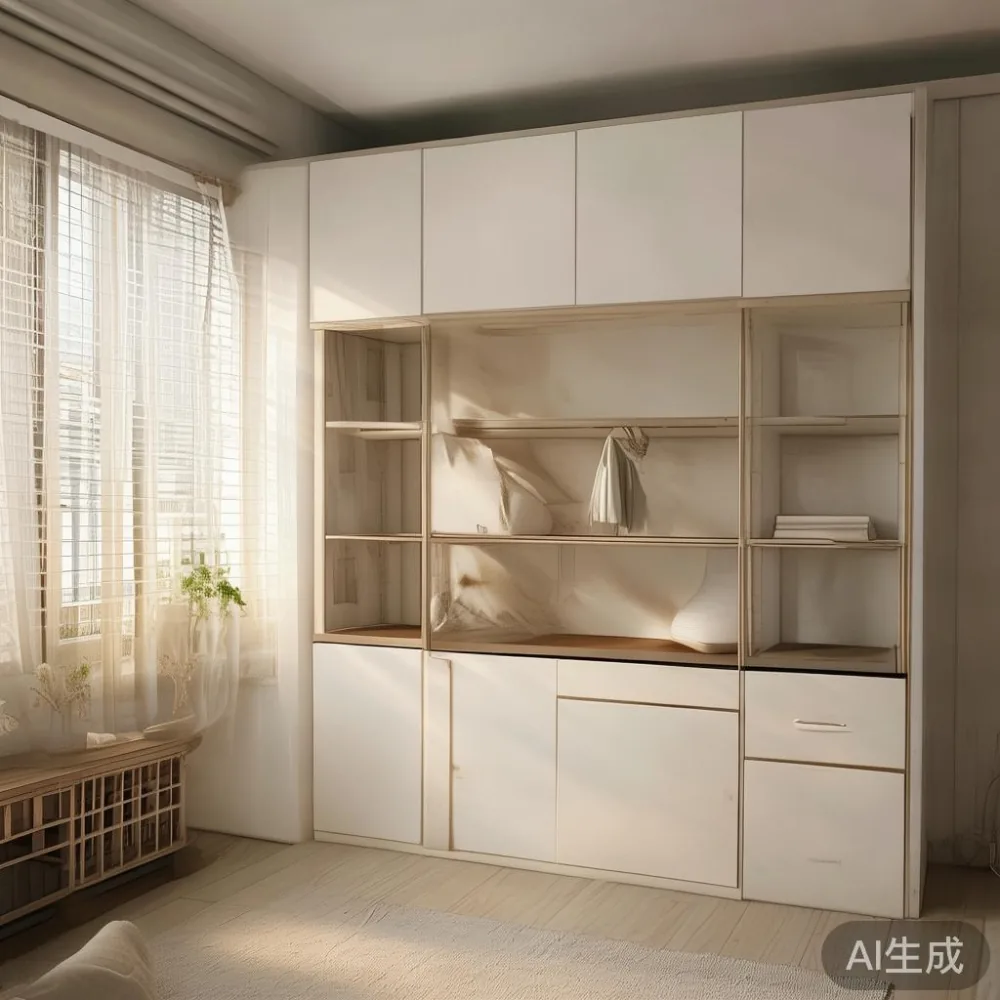
Consider the impact of tall, slender bookshelves that reach the ceiling, or a wardrobe with full-length mirrors. These elements create a strong vertical axis. A wardrobe, for instance, doesn't just store clothes; it acts as a tall, clean architectural feature. This principle extends to lighting. Wall-mounted sconces or a statement pendant light hung high above a dining table or kitchen island can draw the eye upward, adding a sense of drama and height without consuming any floor space. This is especially useful in the narrow corridors of older HDB blocks where floor space is at a premium.
Another vertical strategy is using multi-tiered shelving units. A 30cm wide shelving unit that is 180cm tall provides a surprising amount of storage without taking up a large footprint. You can use it to display books, plants, and decorative objects, breaking up the wall and adding visual interest at different levels. This layered approach adds depth to a room, which is a powerful tool for making a small space feel more dynamic and less flat. The goal is to fill the wall, not the floor.
Furniture with a Purpose: Choosing Pieces That Do Double Duty
In a small apartment, every piece of furniture should be a multi-tasker. This philosophy moves beyond the classic sofa-bed to a more integrated approach where storage and function are built directly into the design. The modern homeowner needs furniture that adapts to their lifestyle, not the other way around. This is where thoughtful design becomes a space-saving solution.
A solid wood dining table is a perfect example. Look for models that come with hidden storage compartments beneath the tabletop, ideal for stowing away placemats, coasters, or even a set of foldable chairs when not in use. A dining table that can comfortably seat four people but has leaves to extend to six for guests offers incredible flexibility without permanently taking up extra space. For a coastal dining room, a light-coloured oak table with clean lines can make the area feel airy and open, while a marble table, perhaps with a smaller footprint, can add a touch of sophisticated light luxury without overwhelming the space.
Beds are another area where multi-functionality is non-negotiable. A bed frame with large, deep drawers built into the base is a standout piece for storage. A queen-size bed with four drawers can easily store the equivalent of two large luggage sets of clothing, freeing up a wardrobe or freeing up a wall for a more compact unit. When considering how to choose American bed for a small Singaporean bedroom, the internal storage capacity should be a primary consideration. An American-style bed with ample under-bed storage offers a level of organisation that a simple platform bed cannot match.
Similarly, a nightstand that is also a small filing cabinet or a stool that doubles as a storage ottoman can serve multiple roles. This reduces the number of individual items in a room, which is critical for maintaining a clean, uncluttered look. The less furniture you have, the more floor space you see, which directly contributes to a feeling of spaciousness.
How to Style a European Sofa in a Small Room?
The European sofa, often characterised by its low profile, sleek arms, and minimalist aesthetic, is a fantastic choice for small apartments. Its design philosophy is one of understated elegance, which aligns perfectly with the goal of creating a sense of space. However, simply placing a European-style sofa in a room isn't enough; styling it correctly is key to unlocking its potential.
The primary rule is to let the sofa be a statement of calm, not chaos. Avoid bulky, overstuffed cushions that add visual weight. Instead, opt for a few large, simple cushions in a neutral palette like cream, grey, or beige. This creates a clean, unbroken line. The legs of the sofa are also important. A sofa with exposed slender legs, raised 15cm off the floor, allows light to pass underneath, which prevents the sofa from visually anchoring the room and making it feel smaller. This is a key principle borrowed from Japanese design, often referred to as 'Japandi' when blended with Scandinavian elements.
When styling around the sofa, maintain a sense of airiness. Use a light-coloured rug that is large enough to fit the front legs of the sofa and a couple of armchairs, but not so large that it overwhelms the room. A round marble table placed next to the sofa can act as a stylish side table, its curved edges softening the lines of the sofa and the room. The key is to create a cohesive, harmonious area where every piece feels intentional and connected, contributing to a unified and spacious whole.
The Power of Strategic Storage: Beyond the Wardrobe
A wardrobe is the cornerstone of bedroom storage, but in a small apartment, it cannot be the only solution. The challenge of limited storage is a universal one in Singapore, and a comprehensive approach is necessary. This means thinking creatively about every inch of your home, from the living room to the kitchen.
For those who need a more integrated storage solution, a built-in wardrobe or a custom-fitted wardrobe can be a worthwhile investment. These can be designed to fit the exact dimensions of a wall, maximising every millimetre. When styling a how to style Japandi wardrobe in room, the focus is on clean lines and natural materials. A Japandi wardrobe often features flat-panel doors, simple handles, and a finish like light oak or matte white, allowing it to blend into the background rather than dominate it.
However, for renters or those who prefer flexibility, freestanding wardrobes are an excellent option. Look for designs that are tall and narrow to save floor space. An Italian light luxury nightstand might seem like an indulgence, but its slim profile and elegant design can provide a surprising amount of drawer space while adding a touch of sophisticated style to a bedroom corner. The key is to ensure that any storage unit you choose has a design that complements the aesthetic of the room, whether it's modern, coastal, or industrial.
Finally, don't forget the potential of garage storage. Even if you don't have a garage, the concept applies to any utility area, a balcony, or even the space under your bed. Using stackable bins, labelled boxes, and dedicated shelving units in these zones can contain the clutter that often spills over into living areas. This dedicated storage for tools, sports equipment, or seasonal items is the secret to keeping your main living spaces clean and open. Effective garage storage solutions prevent the 'stuff' of life from taking over your home.
Light, Colour, and Illusion: Tricks for the Eye
Our perception of space is heavily influenced by light and colour. In a small apartment, manipulating these elements is one of the most effective ways to create an atmosphere of openness. A dark, cave-like room will always feel smaller than a bright, airy one, regardless of its actual dimensions.
The first rule is to maximise natural light. This means choosing window treatments that allow light to filter through. Sheer curtains or blinds that can be fully opened are ideal. If privacy is a concern, especially for those living in high-rise condos in Punggol with large windows, consider using two layers: a sheer curtain for daytime and a blackout curtain for night. Mirrors are another powerful tool. Placing a large mirror opposite a window will reflect the light and the view of the outdoors, effectively doubling the sense of space. A tall, lean mirror can also be placed in a narrow corridor to make it feel wider.
For colour, a palette of light, neutral colours is your best friend. Whites, beiges, and soft greys reflect light, making walls feel receded and the room larger. This doesn't mean your home has to be boring. You can introduce colour through accents like cushions, throws, and art. The 60-30-10 rule is a good guide: 60% of the room is a dominant neutral wall colour, 30% is a secondary colour (perhaps a slightly darker shade or a wood tone), and 10% is an accent colour for personality.
Even the flooring plays a role. Using the same flooring material throughout your apartment, especially from the living room into the kitchen and dining area, creates a smooth flow and makes the space feel larger. If you have carpet in one room and hardwood in another, the visual break can make each space feel more confined. Consistency is key to creating an illusion of a single, expansive area.
Investing in Quality: A Look Ahead to 2026
It's easy to be tempted by cheap, flat-pack furniture when living in a small apartment. The initial cost is low, and it seems practical for a temporary space. However, this approach is often false economy. Poorly made furniture tends to be bulky, visually noisy, and has a short lifespan. It can quickly make a small space feel chaotic and cluttered.
Investing in a few key, high-quality pieces is a smarter long-term strategy. A well-made solid wood sofa, for example, will last for decades. Its timeless design won't go out of style, and its superior craftsmanship means it won't sag or break. This longevity means you won't be replacing it in a few years, saving you money and the hassle of disposal. The same logic applies to a bed frame. When searching for the best Modern bed for 2026, consider not just the current trend, but the quality of materials and construction. A bed made from solid oak or walnut is an investment in both comfort and durability.
Quality furniture also fits and functions better. A well-designed piece will have precise dimensions, allowing it to fit perfectly into your allocated space without awkward gaps. It will also be more ergonomic and comfortable. While the initial outlay might be higher, the cost-per-year of use is significantly lower. Also, many reputable brands, like the Foshan-based maker MIDHILL, offer extensive warranties, providing peace of mind. A 10-year structural warranty on a solid wood dining table or a lifetime refinishing service on a bed frame speaks to the confidence in the product's quality, ensuring it remains a beautiful part of your home for years to come.
Ultimately, styling a small apartment is about making deliberate choices. It's about choosing a piece that is both beautiful and functional, that adds to the space rather than subtracts from it. By focusing on verticality, multi-functional furniture, strategic storage, and smart use of light and colour, you can transform even the most compact Singaporean flat into a home that feels open, airy, and uniquely yours. It’s not about the size of the apartment; it's about the intelligence of the design within it.