Protecting Wood Furniture in Southeast Asia’s Humidity
Singapore’s climate can change a solid wood furniture piece more quickly than many owners expect. Warm, humid air enters an HDB flat, a condominium or a sheltered garage, carries moisture into timber, and then leaves that moisture behind when the air becomes cooler. The visible result may be swollen drawer runners, a slightly bowed wardrobe door, faded veneer or mould around a storage area. The invisible result is equally important: wood that repeatedly absorbs and releases moisture can loosen joints and weaken fasteners.
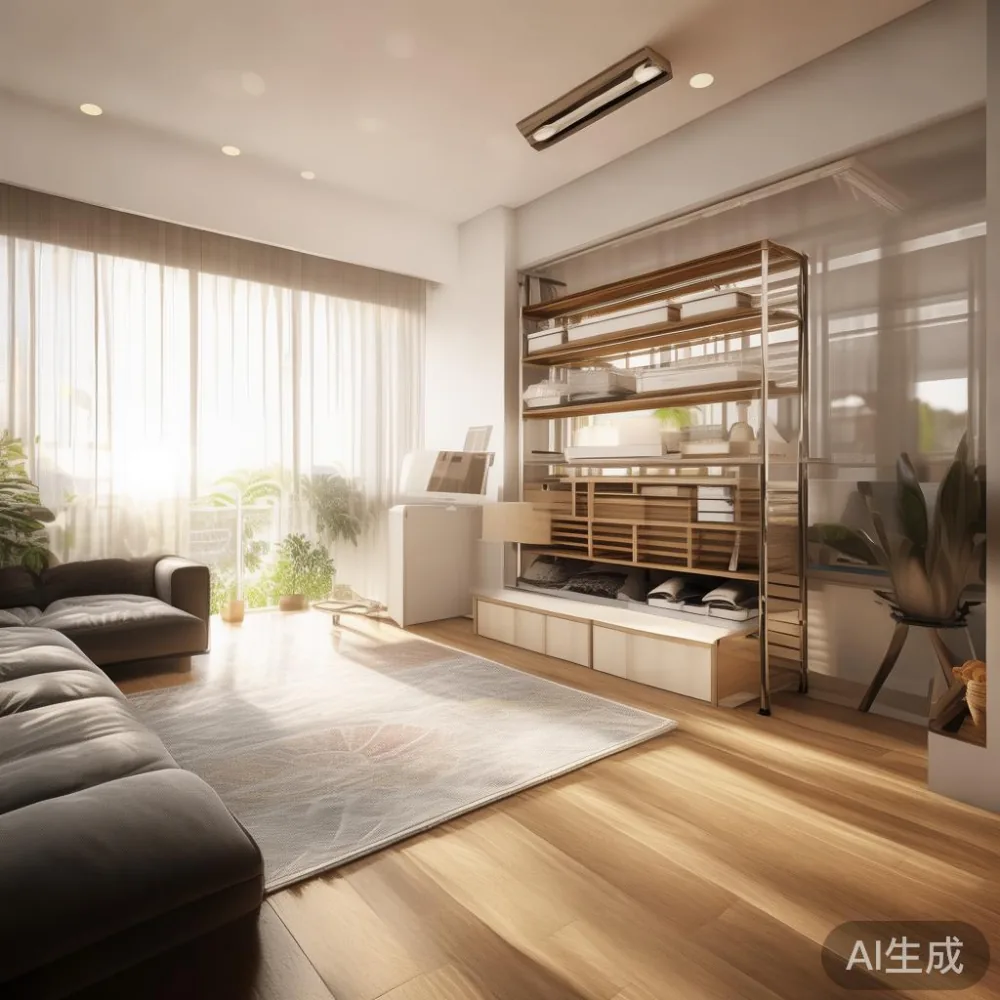
The practical answer is not to treat every piece as though it must live outdoors. It is to understand how humidity moves through a home, select furniture with stable joinery and sensible finishes, and design garage storage so airflow remains available. At MIDHILL, our solid wood furniture is built for long use, with a 10-year structural warranty and lifetime refinishing support. The material still needs sensible care in Singapore’s demanding environment.
What Singapore’s humidity does to solid wood?
Relative humidity is the percentage of moisture the air can hold at a given temperature. Singapore’s readings often move through a broad range over a day: about 78% on a wet afternoon, 88% during a downpour, and 63% in an air-conditioned room. A timber board responds by taking in moisture when relative humidity rises and releasing it when the air dries. Moving moisture can make the board expand across its grain, contract along it and cup slightly across its width.
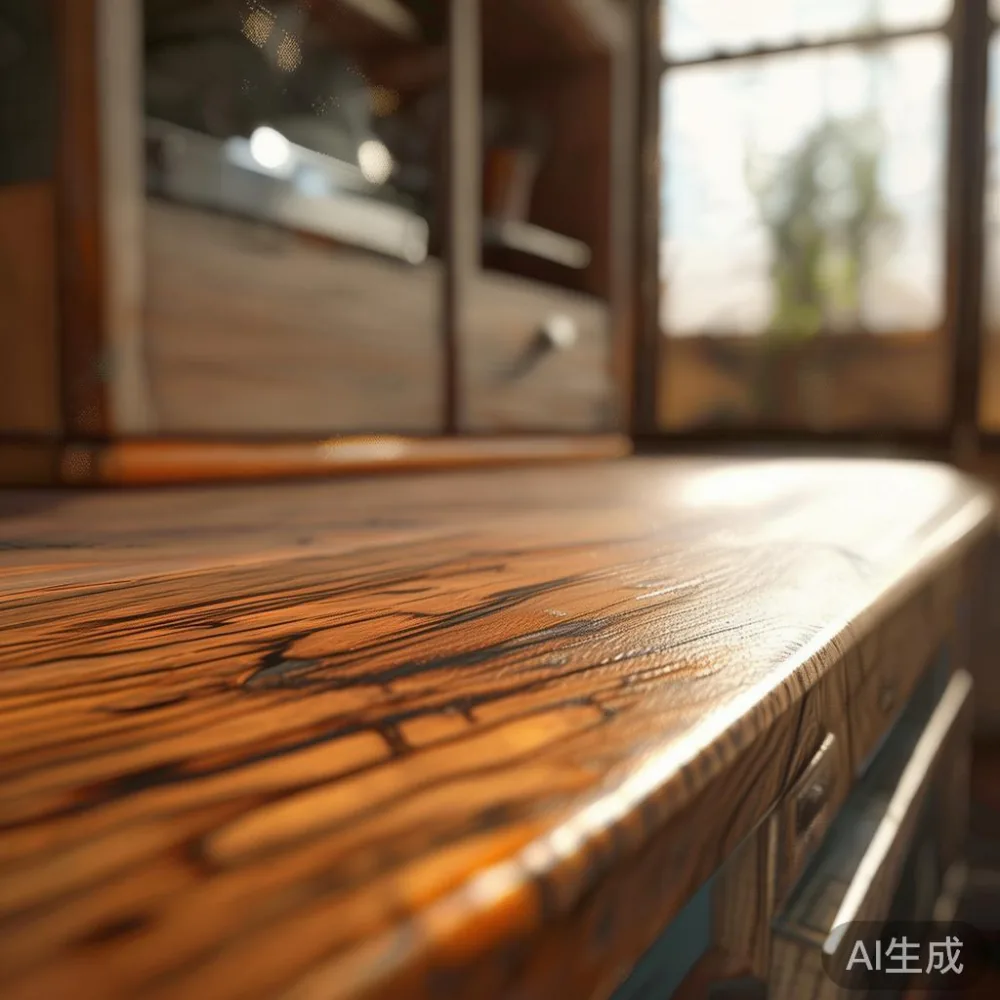
Warm conditions speed the chemistry behind mould and mildew. Spores can settle on a damp surface, and wood near a leaking pipe or poorly ventilated garage corner provides food and moisture. A finished surface offers protection, but scratches, lifting edges and trapped dust can create entry points. Engineered board can also be affected, particularly where its thin facing, adhesive lines or particleboard core are exposed to changing humidity.
Humidity does not automatically ruin furniture. A stable indoor environment, sensible spacing from walls and correct assembly make a large difference. The risk rises when solid wood furniture is compressed into a tightly packed corner, stored directly on concrete, or moved between a humid corridor and an air-conditioned room without acclimatisation.
Which furniture is most exposed?
A solid wood sofa needs attention around its frame joints, seat supports and underside. A solid wood bed frame can develop movement at the headboard or slat supports if it is placed against a wall that collects condensation. A solid wood dining table may show rippling if one side is exposed to a corridor while the other faces an air-conditioned room. A wardrobe needs clearance at its back and around its doors. A nightstand can be affected when it sits close to a bathroom or balcony door.
For homeowners looking for a French provincial TV console, the same principles apply: keep it 8–10 cm from a wall, leave ventilation around vents, and avoid storing damp cloths inside it. If the console has marble or stone elements, the stone itself is not a moisture-absorbing timber board, but the surrounding frame and fixings still need stable conditions.
A Modern light luxury coffee table may have a compact top and several supporting parts. Its finish should withstand wipe-cleaning without forming a water barrier that traps moisture underneath. For a marble table, use coasters and pads under plant pots, and wipe spills within 10 minutes rather than leaving acidic water or cleaning residue overnight.
How should garage storage be arranged for Singapore humidity?
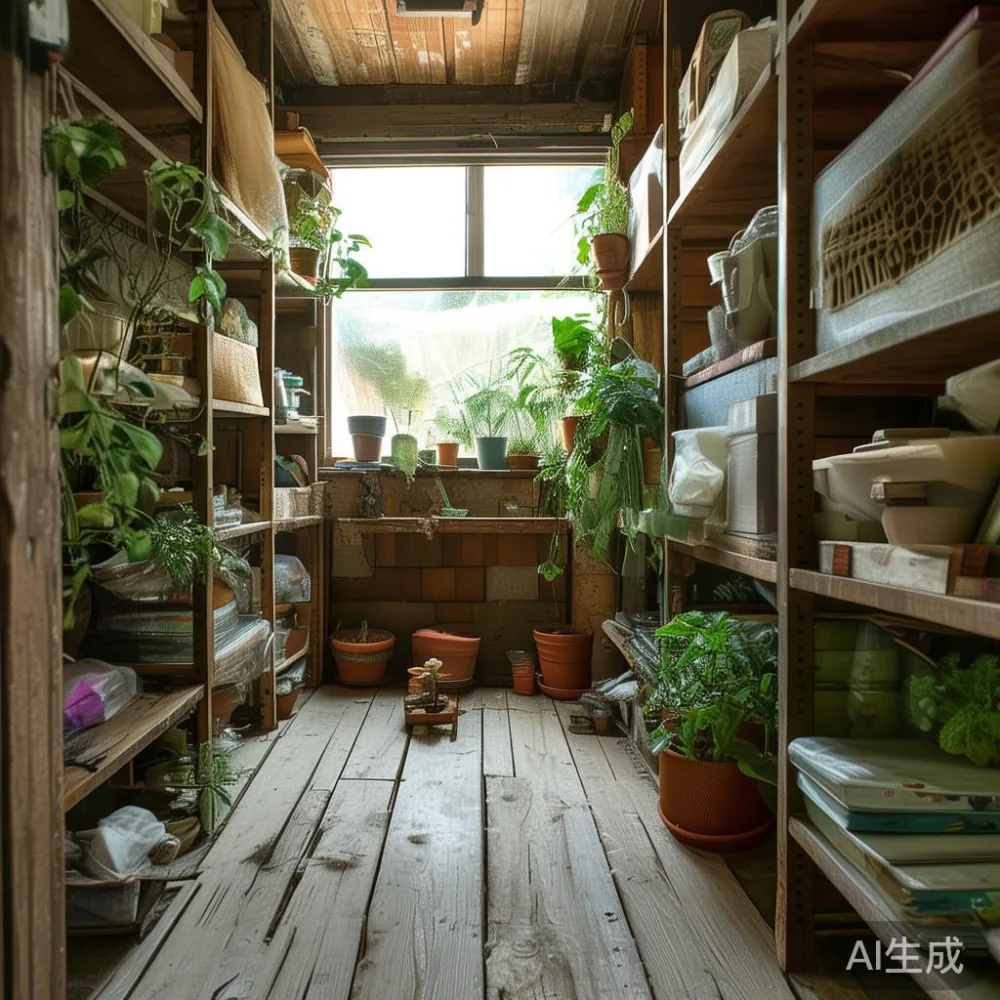
Garage storage should provide airflow, elevation and separation from moisture. That sounds simple, but it matters in shared facilities where rows of cabinets stand close together. Leave at least 5 cm behind tall storage units and 3 cm between adjacent cabinets where the manufacturer allows. Keep the bottom 15–25 cm above the floor, especially on a level that may receive rain carried in on tyres. A 10 cm gap above stored boxes helps humid air move rather than stagnate.
For timber shelving, use anchored, moisture-resistant supports and check them every 6 months. Ordinary untreated timber can absorb moisture quickly when garage relative humidity remains above 75%. If the area cannot be ventilated, choose coated steel storage, sealed containers or a cabinet designed for damp utility spaces rather than placing vulnerable oak, ash or other hardwood in a damp corner.
Garage storage should not become an accidental furniture warehouse. A solid wood dining table needs a climate-stable place while it is not used; storing it for 12 months beside an open shutter can create movement that would not occur in a bedroom. A bed frame should be protected with breathable covers and supported at several points so its own weight does not pull a long component out of shape. Wardrobes are better left assembled in a dry room because moving them can stress joints and knock the alignment out.
In an HDB flat, corridors and service areas may be poorly ventilated. If a garage-storage order is delivered to a shared lobby, measure the route before accepting it. Confirm that the lift car has at least 5 cm more internal depth than the packed item’s diagonal measurement, not merely its width. Corridor clearance matters too: turning a wardrobe through a 90-degree corner can require up to 15–20 cm more working space than its straight-line width.
How much ventilation does a garage cabinet need?
A useful starting point is to keep relative humidity in the storage area between 45% and 65%, with the aim of avoiding swings greater than 10 percentage points in 24 hours. In Singapore, this may require a fan rather than continuous operation of a dehumidifier. Place a fan so that it moves air across cabinet fronts and gaps rather than pushing moist air into a closed unit. A 30 cm fan can move a meaningful amount of air around a single row of storage, while a larger 40–50 cm fan is useful for a larger garage.
Ventilation openings should not merely look present. Keep them clear of cardboard, plastic bags and folded fabric. Use louvres or mesh that excludes insects but permits circulation. Check the storage area after heavy rain and at night, when outdoor temperature falls and condensation can form. A simple hygrometer costs about SGD 18–35; place one near the floor and another at chest height if possible.
Desiccant products can reduce moisture inside a sealed cabinet, but they need replacement or regeneration. A 500 g container is adequate for a small enclosed compartment, not an entire garage. Follow its stated humidity range, usually 35–60%, and never pour regenerated crystals onto timber. For larger garage storage, a fan plus sensible placement usually gives a more manageable result than filling every shelf with sachets.
Can air conditioning prevent furniture movement?
Air conditioning controls temperature and often reduces humidity, but the transition zone can still create problems. A wardrobe near a bedroom door may experience 10–15 percentage points of relative-humidity change as doors open and close. A garage cabinet exposed to an open roller door can swing from 60% to 85% humidity within 30 minutes. That repeated movement stresses timber and finishes.
Keep garage storage doors closed during the hottest and wettest hours, roughly from 12 p.m. to 5 p.m., and dry any ingress before opening the unit. Use a floor mat outside the door if rain blows inward. If a garage door faces west and receives strong afternoon sun, add a reflective shade or external screen where building rules permit. UV exposure can fade a finish even when humidity is controlled.
Inside the home, aim for furniture placement that follows the air movement. Leave 5–8 cm behind a nightstand and 10 cm behind a tall wardrobe where practical. Do not place a solid wood bed frame directly beside a bathroom that is not ventilated. For the question of is European bed worth it, the frame’s stability, dimensions and suitability for the room are more useful than its geographic label.
How can I style European light luxury wardrobe in bedroom?
When learning how to style European light luxury wardrobe in bedroom, begin with proportion and air movement rather than decorative objects alone. A 180 cm-wide wardrobe usually needs at least 60 cm of clear floor space in front for one door to open, while a 90 cm-wide unit needs about 45–50 cm. Taller doors can need 75–90 cm of diagonal clearance. These figures also matter during delivery through an HDB lift and corridor.
French light luxury works well with pale timber, restrained moulding, cream walls and brushed metal details. American light luxury tends toward generous scale, deep grains and substantial profiles. Post-modern light luxury can pair a solid wood frame with clean geometry and a marble table nearby, provided the room does not become visually crowded. In all three languages, texture should be balanced with open space.
A 120 cm-high nightstand is comfortable beside a 45–55 cm-high bed frame, while a 180–200 cm bed leaves less room for a tall wardrobe against the same wall. If searching for sale Post-modern furniture, check drawer travel, hinge movement and finish condition in person where possible. Likewise, a search for sale Scandinavian furniture should include a moisture check: inspect undersides, corners and the back panel for soft spots or staining.
Keep scented candles, diffusers and potted plants on a separate surface rather than inside a wardrobe. Diffuser liquid should not contact the wood. Place a plant at least 30 cm from a finished panel and remove its outer pot after watering if it tends to leave condensation. These details help a French provincial TV console or a carved sideboard retain its finish for years rather than months.
What should I do if a wooden drawer or door has swollen?
Do not force it. A swollen drawer may be compressing against its runner or trapping moisture. Remove the contents, reduce humidity and allow the piece to acclimatise for 48–72 hours. Use a soft cloth on the surface, but do not flood a joint with warm water. Wax can slow moisture exchange, so avoid applying fresh wax immediately after a damp episode unless the finish instructions specifically permit it.
Check whether the furniture is sitting on a damp floor or beside a heat source. Dry the area and leave space around the piece. If the door remains misaligned after 7 days at 45–65% relative humidity, inspect the hinge screws and frame fixings. Do not overtighten them; that can strip the timber or damage the European-style joint.
For scratches, use a finish approved for the specific coating rather than an improvised solvent. Test it on a hidden area and wait 24 hours before treating the full panel. If mould appears, isolate the item, wear gloves and use a product suitable for the labelled surface. Do not mix cleaning chemicals. A mould-removal treatment should be followed by careful drying, because trapped moisture can cause the stain to return.
Lifetime refinishing support from MIDHILL can help with surface wear and restoration through the furniture’s service life, while the 10-year structural warranty covers qualifying structural failures. Neither replaces sensible humidity control. A furniture warranty is not permission to leave a solid wood dining table in a wet garage or store a wardrobe without breathing space.
How do delivery and service fit into Singapore homes?
Humidity protection begins before a piece enters the home. Measure the lift door, lift car, landing and corridor turns, and include GST in the quoted total. A furniture order may include 6% GST in Singapore, and the final invoice should show the taxable amount and tax clearly. For MIDHILL, shipping is free on qualifying orders over US$350, with the local currency total confirmed at checkout or through sales.
Allow 3–7 delivery days for many standard orders, subject to production and customs schedules. For larger pieces, check whether delivery is curbside or room-of-choice. If a lift is unavailable, arrange a hoisting plan with the building management rather than expecting the delivery crew to improvise. A wardrobe with a 210 cm-high carton may need a lift with at least 220 cm internal height and 25–30 cm of usable depth after packaging.
My colleague tested a 180 cm solid wood dining table for 14 days in a Tampines utility area where relative humidity ranged from 62% to 84%. The tabletop edge showed a slight surface reaction on the side facing the open door, while the protected centre remained stable. After moving the table 15 cm away from the wall and reducing the direct airflow, the variation settled within 72 hours. The test confirmed that placement and airflow can be as influential as the timber species.
Inspect furniture on arrival, photograph the panels and record any damage within 24 hours. Keep packaging off timber floors for at least 24 hours if the floor may be damp. Use the supplied transit supports under a bed frame or dining table rather than storing heavy items on top for 2–3 months, when the timber may still be settling into the local humidity cycle.
What is the practical humidity-care routine?
Check the main living areas with a hygrometer once a week and after heavy rain. Keep readings between 45% and 65% where possible. Wipe condensation from windowsills and garage thresholds, maintain 5–10 cm gaps around large furniture, and rotate stored garage items every 6–12 months so damp corners become visible.
Use coasters beneath a marble table, felt pads beneath a nightstand and tray liners inside a drawer. Avoid placing laundry, damp towels or opened cardboard against solid wood. Clean with a slightly damp cloth, then dry with a separate soft cloth. Do not use a steam cleaner on a finished dining table, bed frame, wardrobe or solid wood sofa, because moisture can enter joints and cushions can retain it.
For buyers comparing collections, a solid wood sofa with a stable hardwood frame, a solid wood bed frame with protected slats and a solid wood dining table with a finished underside all require the same disciplined care. A wardrobe, nightstand or marble table adds its own placement considerations. The best outcome comes from matching the product to the room, keeping moisture away from the surface and checking the piece rather than assuming it can manage indefinitely on its own.
More information and current collection details are available at www.midhill.co. The useful question is not whether Singapore humidity is present—it is whether the furniture has enough protection, ventilation and room to move as the air changes.