Garage Storage: Veneer or Solid Wood Over 5 Years?
Choosing furniture for a Singapore home often starts with a practical question: how much will it cost to own over five years, not just on delivery day? For wardrobes, bed frames, dining tables, nightstands, and storage-led seating, veneer and solid wood can look similar from 2 metres away while behaving very differently in daily use. Humidity, lifts, corridor turns, scratches, repairs, and resale value all affect the final calculation.
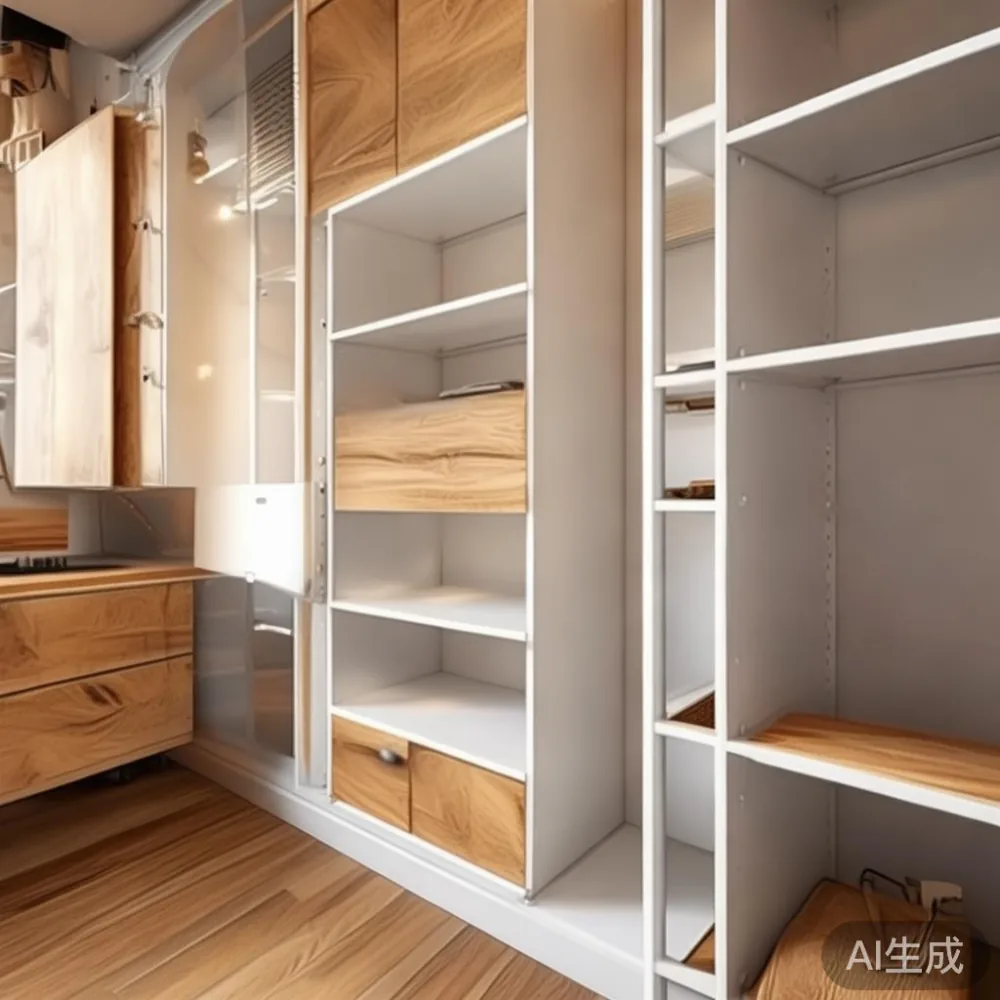
This comparison uses SGD prices and a Singapore HDB flat or condo context, including Tampines, Bedok, and Punggol. It also considers garage storage, where moisture, weight, and frequent loading can expose weak construction more clearly than a showroom display. MIDHILL was established in 2008 and exports to more than 15 countries; its 10-year structural warranty and lifetime refinishing service are useful reference points when comparing ownership costs.
What is the real 5-year cost difference between veneer and solid wood?
For a typical package, assume one 180 cm solid wood bed frame, one 200 cm dining table, two 50 cm nightstands, one 120 cm wardrobe, and one 90 cm storage bench. The prices below are planning estimates in Singapore dollars, excluding GST where indicated. Exact figures change with timber, dimensions, hardware, and installation access.
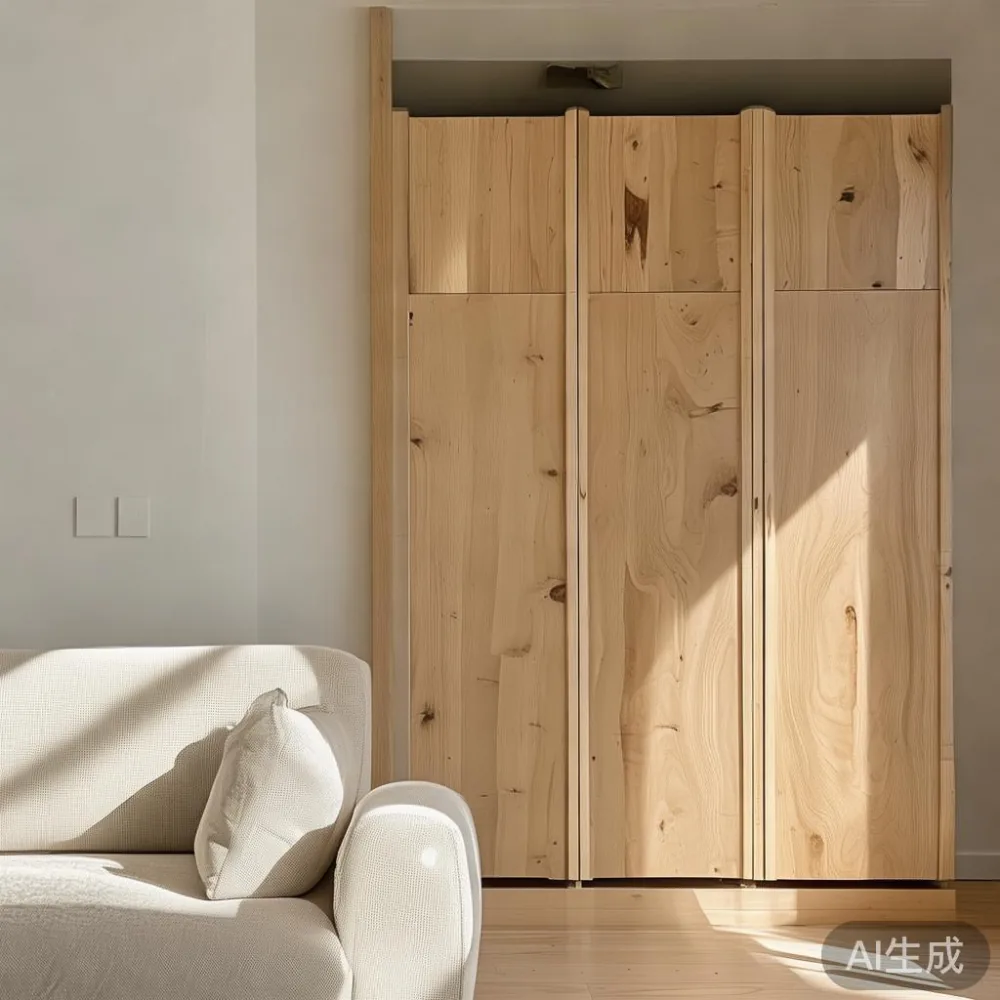
A veneered set might cost SGD 3,600 for the bed frame, SGD 2,400 for the dining table, SGD 780 for two nightstands, SGD 2,900 for the wardrobe, and SGD 1,200 for the storage bench: SGD 10,880 before GST. A comparable solid wood set might cost SGD 5,400, SGD 4,200, SGD 1,480, SGD 5,600, and SGD 2,400 respectively: SGD 19,080 before GST.
That is an initial difference of SGD 8,200. However, ownership is not a one-off purchase. Over five years, allowance for cleaning products, minor repairs, refinishing, replacement hardware, delivery, and likely depreciation narrows the gap. The right comparison is total cost of ownership, including the time and inconvenience required to keep each material presentable.
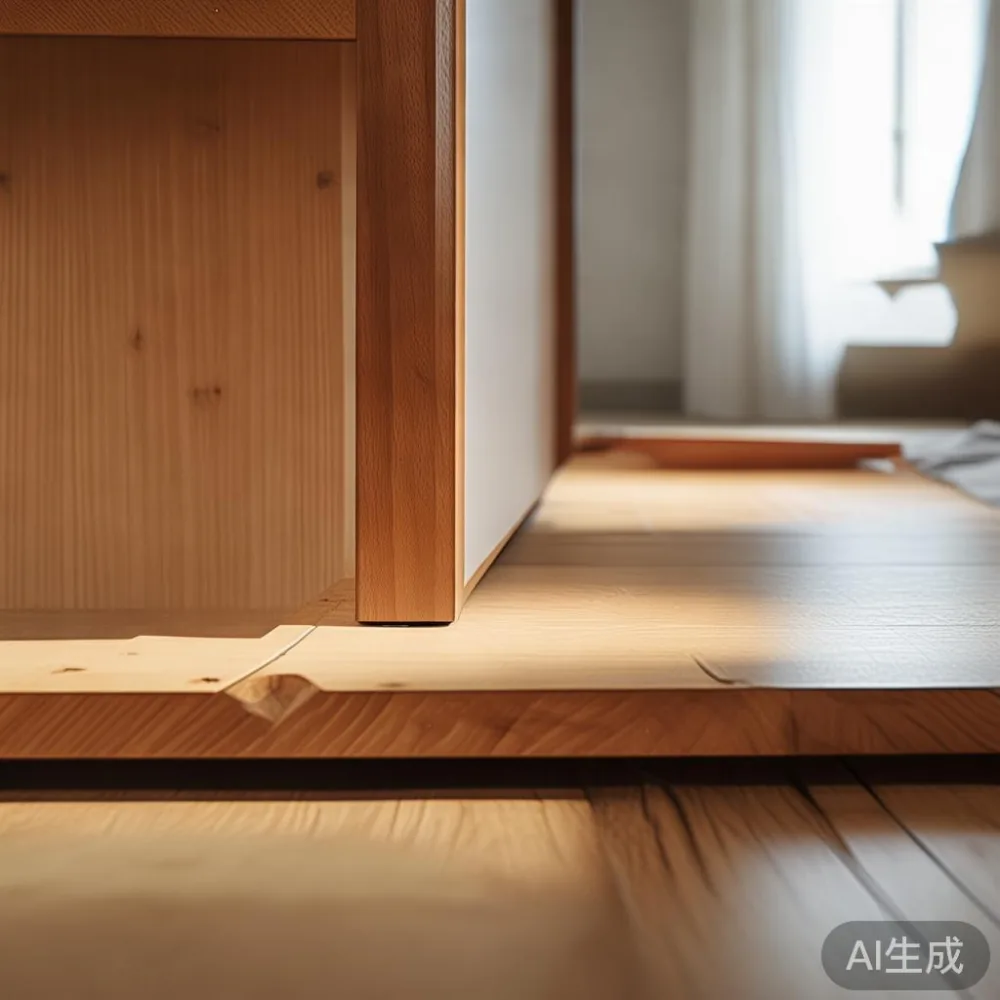
In a lift or corridor, weight also matters. A 180 cm bed frame may weigh 70 kg as veneer and 95 kg in solid wood; a 200 cm dining table may weigh 58 kg versus 82 kg. A common HDB lift interior may be about 110 cm deep and 140 cm wide, though this varies by block. A solid wood dining table may require two movers and a third person to turn it through a 90 cm landing. That labour can add SGD 180–SGD 350 to the first-day cost.
How do veneer and solid wood age in Singapore humidity?
Singapore’s warm, humid climate makes material selection more than a visual preference. Veneer uses a thin layer of real timber, commonly 0.6–1.2 mm, bonded to a panel such as MDF or plywood. It can provide excellent consistency and dimensional stability when its core and edges are properly sealed. Solid wood uses the timber throughout, so it can be repaired more directly, but movement, fading, and surface marks depend on species and finish.
For daily furniture, a good rule is to keep relative humidity around 40–65% when possible, while acknowledging that open HDB windows and air-conditioning often create larger swings. Place a dining table away from direct afternoon sun, use coasters, and wipe spills within 10 minutes. A wardrobe should have a 5 cm rear ventilation gap where the installation allows it. For garage storage, inspect the area for roof leaks and keep timber at least 10 cm above the floor.
Veneer failures often appear at edges: the paper or wood layer can chip, peel, or swell after repeated wet wiping. A kitchen-adjacent dining table may receive more moisture than a bedroom nightstand. Solid wood does not automatically mean damage-proof. A dragged chair can dent the surface, and a hot serving dish can leave a mark unless a protector is used.
Mid-century proportions also affect perception of wear. A narrow profile can look dated if its finish becomes uneven, while a simple slab can remain coherent. The phrase American sofa vs Mid-century modern sofa is often used when comparing tapered legs, rounded arms, and clean lines, but construction standards should carry more weight than a style label.
What maintenance costs should you budget for each year?
For veneer, reserve about SGD 60 per item in year one for protective pads, edge care, and hardware checks. Allow SGD 100–SGD 180 per item in years two through five if one edge repair or partial refinishing is needed. For example, two nightstands might require SGD 220–SGD 360 across five years, plus SGD 60–SGD 120 for hinge and runner replacement.
For solid wood, reserve about SGD 120 per item in year one for an initial finish inspection and suitable care products. In years two through five, budget SGD 180–SGD 320 per larger item if sanding and refinishing are required. A dining table might need one full refinishing cycle in year four, commonly estimated at SGD 450–SGD 750. The 5-year maintenance allowance could therefore be SGD 1,600 for solid wood and SGD 750 for veneer.
These are maintenance estimates, not scheduled repair requirements. A lacquered surface needs gentle cleaning and prompt attention to chips; an oiled surface may need refreshing sooner, perhaps every 12–24 months depending on use and sunlight. Ask the supplier which finish was applied and how to renew it. MIDHILL’s lifetime refinishing policy is relevant here because refinishing labour can otherwise become a substantial ownership expense.
For storage-heavy garage furniture, add SGD 25–SGD 60 per drawer or cabinet per year for track inspection, moisture checks, and rust control. The cost can rise if components stand in salt-laden air near a HDB car park or condo loading bay. A euro-style steel hinge might need replacement after 4–5 years at SGD 35–SGD 85 each, while a soft-close runner may cost SGD 45–SGD 120.
How much do delivery, lifts, and installation change?
Delivery is a large early cost in Singapore. A mid-sized order within Singapore may be quoted at SGD 120–SGD 280 for a normal lift installation, or SGD 250–SGD 600 when stair carrying and extra manpower are needed. Measure the lift door, cabin, turning zone, corridor, and bedroom doorway before ordering. Leave at least 15 cm clearance for manipulating a wardrobe side, and check whether the package fits diagonally.
Solid wood is usually heavier and may need more people and protective wrapping. Extra delivery labour can add about 15–25% to the furniture price. Veneer panels may be lighter, but splitting into many packages can still create access issues. A 120 cm wardrobe packed as two narrow sections may fit a 90 cm corridor corner more easily than one heavy, wide carcass.
The 14-day returns policy is useful, but the product must be protected from use, moisture, and physical alteration during that period. Confirm whether returns include collection, restocking, and GST treatment. For a purchase above US$350, MIDHILL provides free shipping under its stated policy; Singapore buyers should still confirm the destination-specific quotation and delivery timeline, normally around 7–21 days after production for made-to-order pieces.
GST should be displayed clearly on the final invoice. At the 9% GST rate, a SGD 10,880 furniture package before GST becomes SGD 11,859.20; a SGD 19,080 package becomes SGD 20,797.20. Compare like-for-like totals, because a lower sticker price can lose its advantage after tax, delivery, and early repairs.
Which material works better for garage storage?
Garage storage should be treated as a separate environment from indoor furniture. A cabinet stored in a damp garage may face water vapour, dust, temperature changes, and load shifts. Solid wood with sealed edges and solid joinery can tolerate handling well, but veneer on a high-quality plywood core can also perform properly if all exposed edges are sealed. MDF cores are less suitable where moisture is persistent.
For a garage storage cabinet, choose a design with a raised base, adjustable feet, full-extension runners rated to at least 40 kg, and a back panel that resists sagging. A 180 cm wide tool cabinet may hold 70 kg per shelf when evenly distributed; exceeding that limit can bow the shelf and damage the runners. Use labelled bins, keep metal tools away from damp timber, and inspect every 3 months.
The same garage storage principle applies to a compact dining table used for hobby equipment. Bring it indoors during very wet periods if possible, or protect it with a fitted cover. For larger garage storage systems, marine-grade plywood, stainless steel runners, and exterior-rated hinges may justify a higher material cost than decorative veneer.
Light-luxury positioning should not exclude practical storage. French light luxury might favour pale oak, restrained profiles, and brass-toned hardware. American light luxury often uses warmer walnut tones and generous proportions. Post-modern light luxury can combine solid timber with metal or stone details. In all cases, the drawer action, wall fixing, and moisture resistance matter more than the finish trend.
What should you buy if you want a solid wood bed, wardrobe, and table?
If three or more household members expect to keep furniture for at least 8–10 years, solid wood often has the stronger ownership case. For a solid wood sofa, the frame should use kiln-dried hardwood, corner blocks, and dowelled or mortise-and-tenon joints. For a MIDHILL bed, check centre supports, slat spacing, and the 10-year structural warranty. For a dining table, confirm that extension hardware and underside supports can be serviced.
Wardrobes benefit from repairable timber because moving a home may create new alignment issues. A useful guide is how to choose light luxury wardrobe: inspect drawer and hinge movement, ask for timber thickness and moisture-control details, and check whether edge banding can be renewed. If comparing a best Japandi wardrobe for 2026, evaluate the 2026 buying criteria rather than relying on a dated label: stable joinery, replaceable runners, low-VOC finish, and a layout suitable for HDB rooms.
For seating, a European sofa bed with storage deserves a different test from a pure display sofa. Remove the seat cushion, inspect the mechanism through 10 full cycles, and confirm the stored compartment is ventilated and dry. When comparing a best Nordic sofa for 2026, look for removable covers, repairable joints, and a timber base that can be refinished. A marble table has a different maintenance profile: use a soft cloth, avoid acidic liquids, and protect the stone from impacts; a small marble table may weigh 35–70 kg.
For nightstands, choose a 45–55 cm height if the bed top is around 50–60 cm. A 50 cm nightstand with two drawers should stay stable when a 7 kg lamp is placed on one side. Full-extension slides rated for 25–35 kg improve daily use, while a 2 cm back and side lip protects small objects.
How do you calculate the five-year break-even point?
Use a simple worksheet. Start with purchase price including GST. Add delivery, stair or lift charges, and the first year of care. Then add an annual maintenance allowance. Finally, subtract a conservative resale value at year five.
Using the example package, veneer totals SGD 11,859.20 after GST. Add SGD 350 for delivery, SGD 750 for five-year maintenance, and SGD 120 for hardware: SGD 13,079.20. If resale value is SGD 2,000, net five-year cost is SGD 11,079.20, or about SGD 2,216 per year.
Solid wood totals SGD 20,797.20 after GST. Add SGD 550 for heavier delivery, SGD 1,600 for maintenance, and SGD 180 for hardware: SGD 23,127.20. If resale value is SGD 4,000, net five-year cost is SGD 19,127.20, or about SGD 3,825 per year. In this scenario, veneer remains less expensive even with repairs, while solid wood offers greater long-term refinishing and resale potential.
That conclusion changes if veneer needs replacing at year four. A wardrobe costing SGD 3,260 after GST might be replaced for SGD 2,000–SGD 2,800 after removing and installing it. In that case, veneer’s five-year cost can reach SGD 14,000–SGD 15,000, narrowing or reversing the difference. Solid wood becomes easier to justify when a family values keeping the same dining table or bed frame for 15 years.
Which option is right for Tampines, Bedok, and Punggol homes?
For a compact HDB bedroom with a 90 cm doorway, modular veneer storage may be more practical. For a larger condo dining area, solid wood can serve as a long-term focal piece without requiring replacement when children or resale plans change. In Punggol, new units often have integrated storage and warmer colour palettes; a restrained Japandi-style wardrobe can fit a 150 cm recess, but every millimetre matters around open hinges and corridor turns.
Do not buy purely by material. Ask for drawings, timber species, joinery details, finish composition, drawer ratings, and warranty terms. Inspect corners under daylight, run every drawer through its full travel, and sit on a sofa for 10 minutes. For garage storage, verify that the floor is dry, loading is distributed evenly, and timber stands 10 cm above the slab.
The most useful buying rule is straightforward: choose veneer for controlled indoor spaces where consistency and initial cost dominate; choose solid wood when the piece will move, carry heavy loads, remain in the family for many years, or be refinished rather than replaced. Either route can suit light luxury, provided proportions, construction, and care suit the actual room. The five-year worksheet then turns a showroom preference into a Singapore-specific decision with prices, kilograms, centimetres, delivery days, and maintenance timing included.