How to Protect Lacquered Surfaces in a Tropical Home
Singapore’s humidity can make lacquered furniture look dull, swollen, or blotchy within months. In an HDB flat, a west-facing living room may reach 34°C by late afternoon, while a corridor near the lift lobby can remain warm and poorly ventilated. Good lacquer care is less about frequent polishing and more about controlling moisture, heat, impact, and storage conditions.
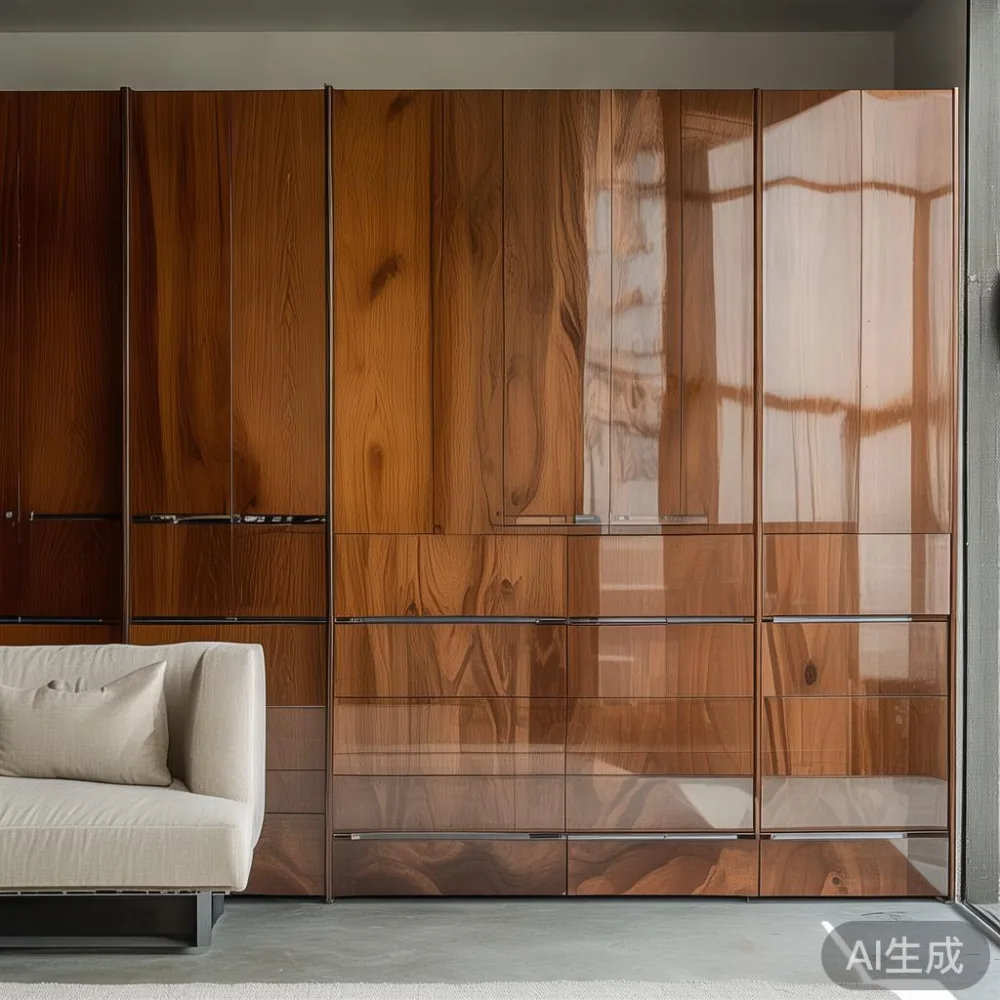
This guide explains how to maintain lacquered cabinetry, storage furniture, and occasional seating without confusing lacquer with untreated solid wood. It also considers the realities of HDB and condo living in Tampines, Bedok, and Punggol, including narrow corridors, compact lifts, air-conditioning, and the need to move furniture without damaging its finish.
MIDHILL manufactures lacquered storage and occasional furniture for international buyers, supported by a 10-year structural warranty and lifetime refinishing service. These services cover long-term ownership, but the lacquer itself still benefits from sensible daily care.
What Is Lacquer, and Why Does Singapore Humidity Affect It?
Lacquer is a surface coating applied over a prepared substrate. The substrate may include MDF, plywood, or solid wood, while the visible finish may be nitrocellulose, acrylic, polyurethane, or a multi-layer system used on cabinetry. Although these materials differ, the care principles remain similar: keep water away from edges, avoid rapid temperature changes, and clean gently.
Singapore’s outdoor relative humidity commonly ranges from about 65% to 85%. During monsoon periods, it can remain above 80% for several days. Lacquer is less permeable than bare timber, but moisture can still enter through joints, exposed edges, scratches, and poorly sealed fittings. Inside a high-rise, the more common issue is condensation caused by warm air meeting a cooler surface.
A lacquered dining table should not be placed directly against an air-conditioning vent blowing at 18°C. Repeated cooling and warming can stress the coating and its adhesive bond. Keep the unit at least 30 cm from a strong cold-air outlet and use a warm 24°C setting when the room is unoccupied. Avoid a sudden 10°C or greater surface-temperature change, especially during the first hour after delivery.
Light-luxury design does not require an aggressive maintenance routine. French light luxury often favours pale lacquer, reflective glass, and slender profiles; post-modern light luxury may pair lacquered storage with curved solid wood furniture. In either case, the finish should look quietly polished rather than glossy and artificial.
How Should I Care for a Lacquered Surface in a Tropical Climate?
Start with a soft, dry microfibre cloth and remove dust every 7 to 10 days. Wiping in the direction of the grain or along the panel reduces visible streaking. Avoid ordinary “wet wipes,” which may leave surfactants, wax, or moisturising ingredients on the surface. Cleaning pads marked “rough,” “scrub,” or suitable for baked enamel can scratch lacquer in only 20 or 30 passes.
For routine marks, dampen the cloth with plain water and wring it until no droplets fall. Wipe once, then dry immediately with a clean cloth. This two-cloth method uses very little moisture. A spill should be attended to within 5 minutes; allowing tea, alcohol, or oil to sit for 60 minutes makes removal harder and may haze the finish.
Use a pH-neutral cleaner approved for lacquer, following its dilution instructions. Do not mix household cleaners. One tablespoon of concentrated cleaner in 500 ml of water may be suitable for some products, but the manufacturer’s label takes priority. Test the mixture on a 10 cm × 10 cm area hidden behind a door for 24 hours before using it across a visible panel.
Do not use silicone polish, furniture wax, ammoniated glass cleaner, bleach, acetone, paint thinner, or alkaline degreaser on lacquer. These products can soften the coating, dull the sheen, or leave a sticky residue that attracts dust. Oils should not be applied to the surface unless the finish supplier explicitly recommends a maintenance product.
Place felt pads under decorative objects and under the feet of a lamp or indoor plant. Leave 2 cm between a pot’s saucer and the lacquered surface, and move plants that produce wet leaves. A coaster should have a diameter of at least 8 cm for a drinking glass and at least 12 cm for a hot bowl. Lacquer tolerates normal indoor use, but a steaming hot pot left directly on the panel for 15 minutes can leave a ring or blister.
What Is the Safe Way to Clean a Lacquered Wardrobe?
For a lacquered wardrobe, inspect the tracks, hinges, and internal corners every 3 months. Vacuum with a brush attachment kept at least 3 cm from the coating. Do not use a steam cleaner; its 100°C output can force moisture into seams and loosen veneer or lacquer at once.
Empty the lower shelves before cleaning and remove drawers so you can reach the runners. Wipe vertical panels from top to bottom so moisture does not travel into a floor joint. If the wardrobe stands in a room with persistent humidity above 80%, leave the doors open for 15 to 20 minutes after air-conditioning stops, then close them once the surfaces are dry.
Check that moving parts do not rub against the carcass. A hinge screw turned 90° too far can make a door touch the lacquer and leave a grey abrasion. Adjust it gradually and use a soft cloth as a temporary buffer. For garage storage used in a sheltered Singapore car park or utility room, keep cartons at least 10 cm above the floor and 20 cm away from walls.
Do not store damp clothes, towels, or paint in a lacquered cabinet. Use sealed moisture-absorbing containers where appropriate, but avoid placing loose silica gel directly against the finish. A wardrobe holding bedding should be aired after use, particularly before the monsoon months from November to January.
Can Garage Storage in a HDB Flat Be Damaged by Heat and Moisture?
Yes. A garage storage cabinet near a metal wall, roller door, or loading bay can experience much greater heat swings than a furnished flat. An afternoon surface temperature of 40°C, followed by a sudden downpour, may be more damaging than stable indoor humidity. Keep garage storage at least 15 cm from the boundary wall and 60 cm from the roller door where space allows.
In a typical HDB car park, avoid direct sunlight and vehicles that wash water repeatedly against the unit. If the cabinet has a solid wood frame, seal the underside and exposed edges as directed by the supplier. For lacquered components, use breathable waterproof covers rather than plastic sheeting pressed against the finish. Leave 5 cm of ventilation space around the sides and inspect for condensation every 2 months.
Weight matters as well. Follow the stated load rating rather than estimating by eye. A cabinet with shelves rated at 25 kg per shelf should not carry eight boxes of 5 kg each, because a point load can still distort the board. Distribute weight across two shelves where the design allows.
Singapore condo corridors often have clear widths around 1.2 m to 1.5 m, while service lifts may measure roughly 1.0 m × 1.8 m. Confirm the cabinet’s largest dimension before delivery. If the package exceeds the lift opening, ask the building management about the service-lift booking process and protective padding requirements.
How Do I Move a Lacquered Cabinet Through a Lift and Narrow Corridor?
Measure the cabinet, lift door, lift cabin, corridor turns, and stair width before booking delivery. Add 5 cm of clearance for handholds and protective wrapping, though large units may need more. Most parcels should remain upright because turning a lacquered panel on its side can place stress on joints and decorative edges.
Use corner protectors, moving blankets, and 2 mm foam padding over finished surfaces. Tape should never touch lacquer; use painter’s tape on the blanket edge instead. Carry the unit with at least 2 people and a furniture dolly rated above its actual weight. A 35 kg wardrobe on a 50 kg dolly still requires control during turns.
Do not drag a cabinet across a tiled corridor. Even over 2 m, grit trapped beneath a foot can scratch the coating. Lift it onto a padded dolly or use furniture sliders rated for the load. Allow the furniture to acclimatise in the final room for 24 to 48 hours before removing the outer packaging.
For lift access, reserve the service lift according to the condo’s rules and avoid peak moving periods. For HDB estates, check whether the chosen loading point has a level route or several shallow steps. If a piece must be assembled in the flat, protect the floor with corrugated cardboard sheets and keep all fixings in a labelled tray.
How Often Should Lacquer Be Inspected and Refinished?
Inspect lacquered furniture every 3 months and more often if it sits near a window, kitchen, or bathroom entrance. Look for whitening, clouding, lifting edges, bubbles, or a rough patch. A pencil mark should wipe away with a lightly damp cloth; if it does not, the surface may already need professional assessment.
Do not sand or polish lacquer at home. Machine sanding can cut through a thin top layer in 3 or 4 passes, and household polish may temporarily improve the shine while causing yellowing. Photograph any damage under daylight and a 500-lumen lamp, then contact the manufacturer or a qualified refinisher.
MIDHILL’s lifetime refinishing service should be discussed before attempting repair work. Keep the purchase record, finish reference, delivery invoice, and photographs of the furniture. For a new lacquered cabinet, the ideal maintenance target is an inspection every 12 months and a refinishing assessment every 5 to 7 years, subject to use and exposure.
Long-term care also depends on the design. A solid wood sofa or bed frame may be easier to renew because exposed timber can be sanded, while lacquer needs controlled resurfacing. A dining table receives more spills than a nightstand, and a marble table has different porosity concerns. A European light luxury nightstand with pale lacquer needs prompt spill removal because marks show clearly against its light finish.
Are There Different Care Needs for Solid Wood and Lacquered Furniture?
Yes. Unsealed solid wood responds differently from lacquer: it may absorb water, show a dark ring, or require oiling. Do not put oil on lacquer merely because the underlying frame is solid wood. Identify the finish on each surface and use its own care instructions.
For a solid wood dining table, use a stable indoor humidity range where possible and protect it from standing water. For lacquered storage, control moisture at seams and clean with minimal liquid. When comparing an American bed vs Nordic bed, finish durability should be considered alongside frame construction, joint method, and available replacement parts, not reduced to appearance alone.
Style comparisons also require practical judgment. A Japanese bed vs French provincial bed may use very different visual languages, yet both still need dry surfaces and careful handling. For a Japanese-style sofa, the best Japanese sofa for 2026 should be judged on frame support, cushion recovery, fabric care, and fit for the room, rather than a promotional label. A well-made solid wood sofa can last 10 to 15 years with rotation and care.
For a spare room, Modern light luxury for guest room schemes can combine pale lacquer, warm timber, and restrained metal details. Keep the styling light enough that a used guest room can be reset within 10 minutes. The same design outlook applies to wholesale French provincial furniture programmes, but every finish should have clear cleaning and repair guidance.
What Should Singapore Buyers Check Before Delivery?
Ask for the finish type, cleaning instructions, expected acclimatisation period, and warranty coverage in writing. Confirm whether the lacquer is factory sealed, whether the edges are sealed, and whether replacement panels are available. A 10-year structural warranty does not automatically cover accidental scratches, heat damage, or liquid exposure, so the distinction should be clear.
Check the furniture in daylight before accepting delivery. Open doors, drawers, and lift panels, then inspect matching areas under a neutral lamp. Photograph any existing marks, chips, colour variation, or dents. For a lacquered dining table, confirm that the protective film is correctly applied and that the top will not be used as a work surface.
Review MIDHILL delivery terms before placing an order. Singapore delivery timing, lift booking, and access charges should be confirmed in SGD. A local order over US$350 may qualify for free shipping under the stated policy, but a Singapore buyer should request the exact landed quotation in SGD, including any GST treatment, building fees, and delivery surcharge.
Returns are generally allowed within 14 days under the stated policy, subject to condition and eligibility. Check the return packing requirement before a unit is removed from protective wrapping. If furniture must go back through a narrow corridor, retain all blankets and corner guards.
A clear care card near the wardrobe or dining table will help the next person use it correctly. Include 3 simple instructions: wipe spills within 5 minutes, use a damp cloth followed by a dry cloth, and keep lacquer at least 30 cm from a direct air-conditioning vent. These habits take less than 2 minutes a week and protect the finish more effectively than a harsh polish used once a month.
Can a Lacquered Finish Recover from Small Marks?
Small surface marks can sometimes be reduced without refinishing. Use a clean, soft microfibre cloth and a lacquer-safe cleaner applied to the cloth rather than the furniture. Work in 10 cm circles with light pressure for no more than 20 seconds, then dry the area and inspect it from an angle.
Never test stronger solvents on a visible face. If the mark remains after 2 careful attempts, stop. Repeated rubbing can create a shiny halo around the mark. Deep scratches, lifting lacquer, or a swollen panel require assessment by a refinisher, and a full replacement may be more practical than treating the affected area.
One example came from my own check last month in a Tampines home. I placed a warm ceramic mug on a lacquered side table and left a faint ring for 18 minutes. A lightly damp microfibre cloth removed it after one pass, followed by immediate drying. On a nearby lacquered panel, an oil-based kitchen cleaner had been left for about 2 hours; gentle wiping spread the residue, so the panel was left alone and later assessed. The contrast confirmed that time and product type matter more than pressure.
For lacquered storage selected for a compact HDB home, prevention remains the most practical approach. Use coasters, protect edges during moves, ventilate after rain, and keep heat-producing appliances away from the finish. Consistent care preserves the clean geometry of French light luxury or post-modern light luxury designs while helping the furniture remain suitable for years of daily use.