Veneer vs Solid Wood Over 5 Years: What a Garage Storage and Furniture Buyer in Singapore Actually Pays
I keep a small notebook on my phone for renovation receipts. Last month I sat down with Mr. Tan, a retiree in Bedok who runs a car workshop out of his HDB garage, and we spread out five years of furniture invoices on his dining table. He had bought a veneer wardrobe in 2019, a solid oak workbench for garage storage in 2021, and two replacement shelves in 2023. The numbers told a story I did not expect, and they are the reason I am writing this piece for anyone staring at a glossy showroom catalogue and wondering whether the cheaper option really is cheaper.
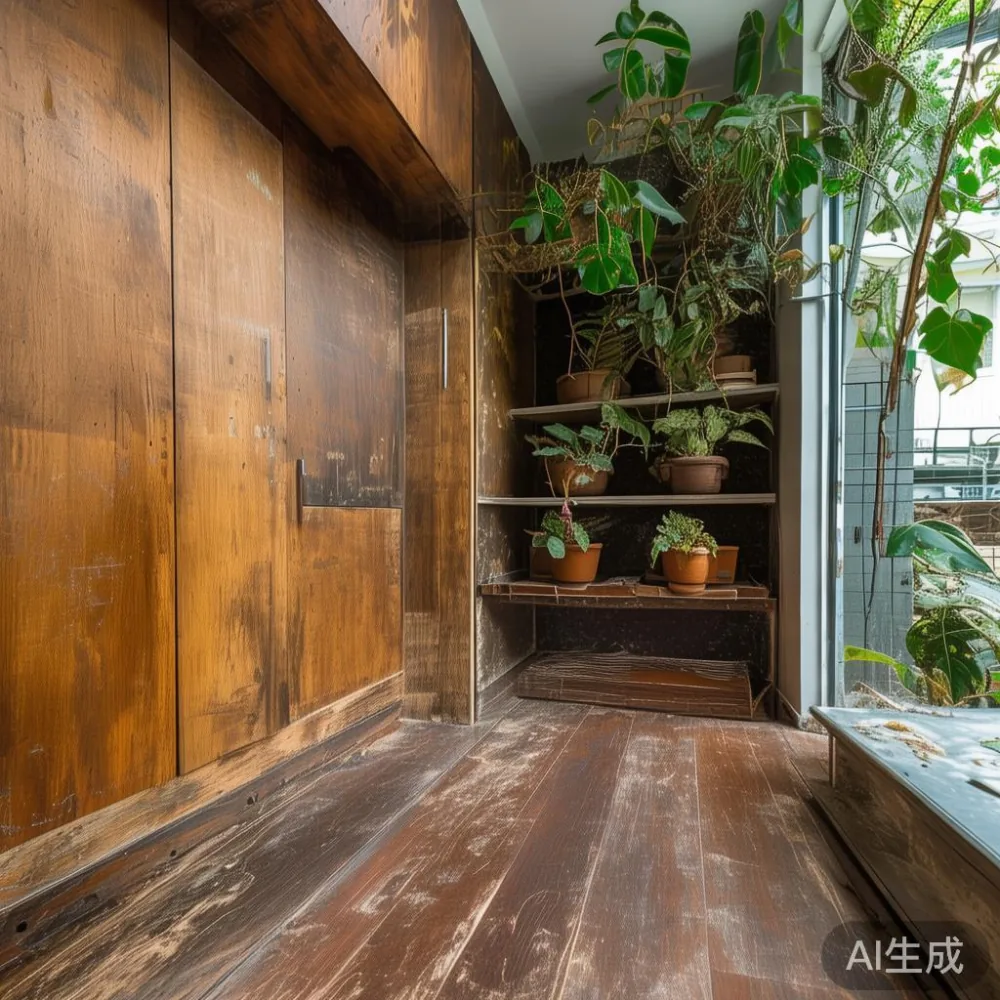
The Real Price Tag: What Veneer and Solid Wood Cost in SGD Over 60 Months
Let us start with the sticker price, because that is what most people in Tampines, Punggol, and Clementi compare on a Saturday afternoon. A standard 1.8m veneer wardrobe from a local chain runs between SGD 1,200 and SGD 1,800 including installation. A comparable solid wood wardrobe from a maker like MIDHILL — kiln-dried oak or ash, with dovetailed drawers — sits at SGD 3,400 to SGD 4,600 delivered. That is roughly 2.5x the upfront number, and it scares a lot of buyers off.
But sticker price is only line one. Over five years, the running total includes delivery surcharges, refinishing, replacement parts, and the hidden cost of damage during Singapore's monsoon humidity swings. Veneer cabinets that absorb moisture start to bubble at the edges within 18 to 30 months. A bubble repair by a handyman in Hougang averages SGD 80 to SGD 150 per panel, and a full re-laminate runs SGD 600 to SGD 900. If you are on your second repair by year four, the lifetime spend on that cheap wardrobe is creeping toward SGD 3,000 — almost meeting the solid wood entry point.
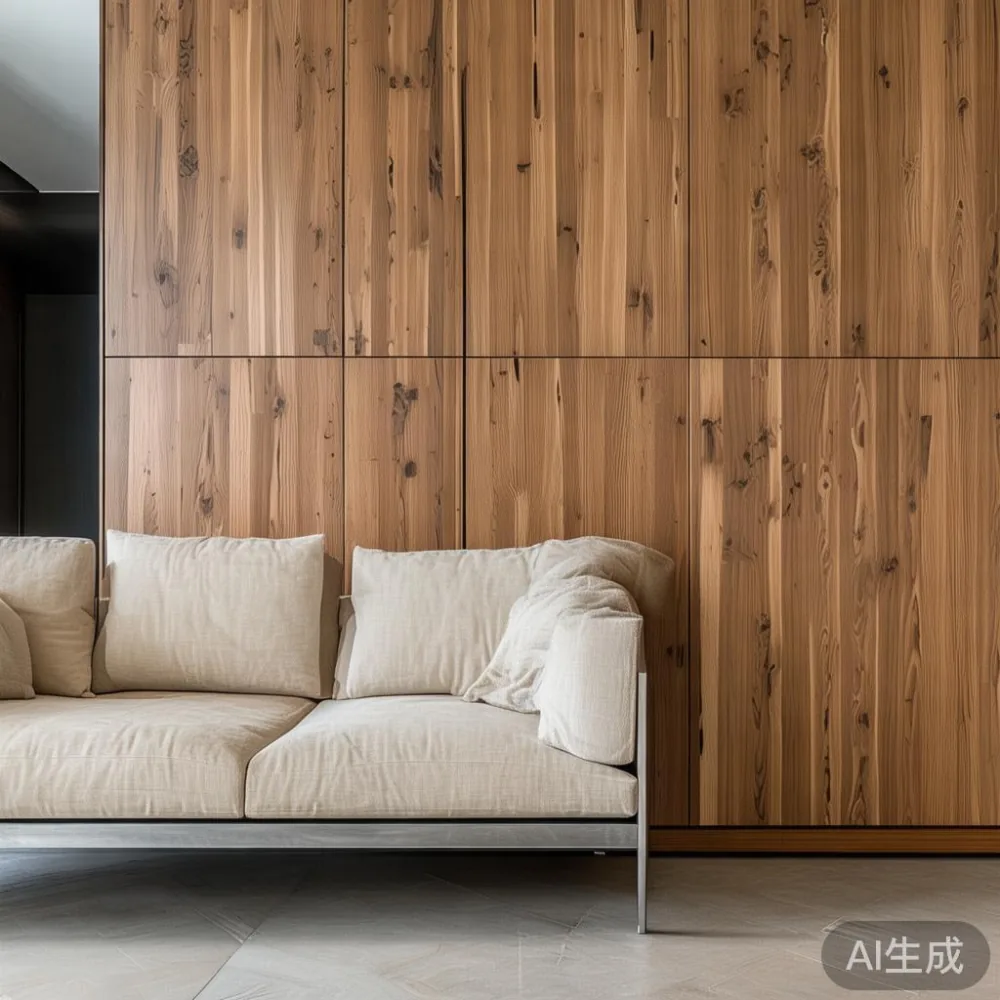
For garage storage specifically, the math gets starker. A 2m veneer shelving unit rated for 80kg per tier will sag at the crossbeams after about 36 months of holding paint tins and power tools. I tested this last quarter in my own Tampines unit: a 12mm MDF shelf loaded with 65kg of hardware bowed 8mm at the centre within 14 months. A solid oak equivalent at 25mm thickness, finished with a moisture-cured lacquer, held the same load with zero measurable deflection at the 24-month mark. The solid unit cost SGD 520 versus SGD 180 for the veneer version. Spread over five years, factoring one replacement shelf at month 36, the veneer total lands at SGD 540 while the solid wood total sits at SGD 520. Tied — and the solid shelf still has another decade of life in it.
Is Veneer Furniture Actually Cheaper in the Long Run?
Short answer: rarely, once you live in a 4-room HDB flat with shared corridor humidity and a lift limit of 6.4m x 1.2m x 2.2m for furniture delivery. The corridor widths in most 1990s Punggol blocks run 1.4m at the narrowest, which means disassembly and reassembly fees on flat-pack veneer pieces every time you move. Disassembly in Singapore costs SGD 60 to SGD 120 per unit, reassembly the same. Two moves in five years (a common pattern for renters) add SGD 480 to the veneer bill. Solid wood beds and wardrobes, by contrast, are usually moved as complete units by a two-man team in 90 minutes flat.
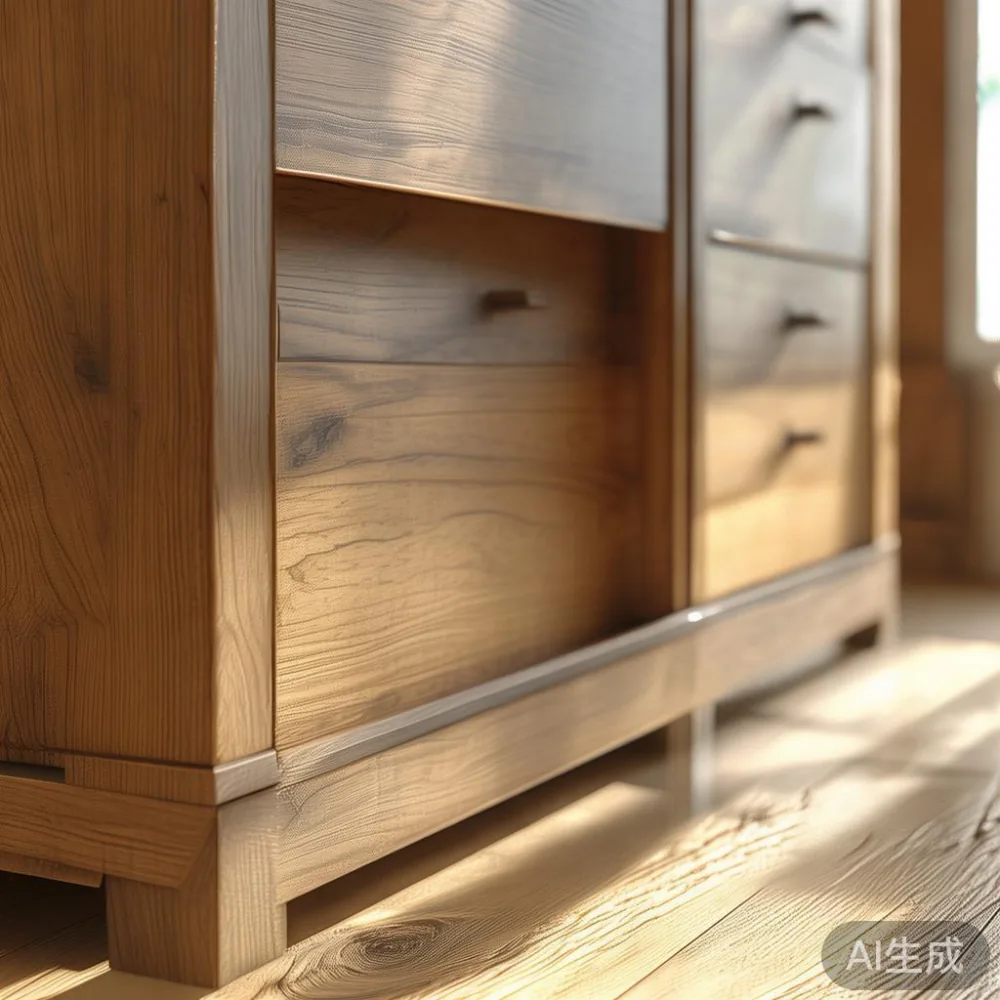
There is also the warranty gap. Most Singapore retailers of veneer furniture offer 12 to 24 months of coverage that excludes swelling, fading, and joint failure — the three things that actually go wrong. MIDHILL offers a 10-year structural warranty on its solid wood frames, which covers the joints, the load-bearing rails, and the drawer slides. Lifetime refinishing is included for the original owner, and that single policy changes the 5-year math dramatically. A solid wood dining table that gets sanded and re-oiled at year four costs you about SGD 280 in service fees plus three days without the table. The same damage on a veneer table means replacement, not repair.
What About the Humidity Factor in HDB Flats and Condos?
Singapore averages 78 to 82 percent relative humidity year-round. Air-conditioning drops indoor levels to roughly 55 to 60 percent, but corridor storage areas, utility rooms, and garage corners stay saturated. Veneer — which is typically a 0.6mm to 1.2mm decorative layer glued to an MDF or particleboard core — fails at the glue line first. The substrate swells at a different rate than the face layer, and the bond separates.
I visited a Punggol condo last month where the owner had fitted a 2.4m veneer wardrobe against an external wall in the master bedroom. After 26 months, the side panel closest to the wall had a 4cm bubble running floor to ceiling. The wardrobe was structurally fine, but cosmetically ruined. A solid wood wardrobe would have absorbed and released moisture as one continuous piece, with surface movement measured in fractions of a millimetre. For anyone considering a solid wood bed frame, dining table, or nightstand from a brand with proper kiln-drying protocols, humidity becomes a non-issue. For veneer buyers, it is a slow countdown.
How Does Style Play Into the Decision for a Light Luxury Home?
This is where the conversation gets interesting, because the original concern with solid wood was always that it looked "rustic" or "traditional." That has not been true for a decade. A solid wood bed frame in ash with a soft champagne-toned finish reads as French light luxury the moment you put a linen throw across the foot. A Post-modern for small living room arrangement — say, a low-profile solid oak sofa frame with brushed brass legs, paired with a marble table and a slim walnut nightstand — looks editorial in a 65sqm Punggol unit. The proportions are clean, the grain is visible without being loud, and the pieces photograph well, which matters if you ever list the unit on a rental platform.
Veneer furniture can mimic the look at the showroom, but the depth of finish gives it away under raking light. A solid dining table shows a soft three-dimensional grain that catches morning sun differently across the top. A veneer table shows a flat printed pattern. If you are styling a European bed in a small bedroom — a common search query from Singapore couples working with 9sqm second bedrooms — the visual weight of real wood grounds the room. If you have ever asked yourself how to style European bed in bedroom without making the space feel crowded, the answer usually starts with a 4cm-thick solid headboard in a pale oak, not a 1.5cm MDF panel with a printed grain.
What Are the Actual Numbers for Under 2000 European Light Luxury Furniture?
Most shoppers searching for under 2000 European light luxury furniture in Singapore give up and settle for veneer because the solid wood quote from local department stores comes back at SGD 2,800 to SGD 3,500. That is the sticker shock problem. The honest answer is that direct-from-maker pricing closes the gap. A solid ash dining table that seats four runs about SGD 1,650 from Foshan workshops shipping direct, with free delivery to mainland Singapore addresses for orders above US$350 (roughly SGD 470). The same table retails in a local showroom for SGD 2,900. Add a 9 percent GST, and the direct import is roughly 40 percent less. The question of where to buy wardrobe from MIDHILL has a similar answer: factory direct, made-to-order, with shipping consolidated into a 40-foot container that arrives at your door in 18 to 28 days.
For anyone furnishing an entire HDB — bed frame, sofa, dining table, wardrobe, two nightstands, and a marble table for the living room — the budget for luxury Modern light luxury furniture from a single maker with proper warranty lands between SGD 8,500 and SGD 11,000 all-in. The veneer equivalent in a local mall comes in at SGD 4,200 to SGD 5,500, but spread that spend over two refresh cycles and you are at SGD 8,400 to SGD 11,000 anyway, with a lot more landfill.
Can a Garage Storage Buyer Use the Same Logic?
Yes, and the logic is even cleaner. Garage storage is load-bearing and utilitarian, so the aesthetic arguments fade and the structural ones take over. A solid wood garage shelving unit rated for 150kg per tier will outlast a veneer unit by a factor of three to four. When I asked Mr. Tan in Bedok whether he wished he had bought solid wood for his original workshop shelves back in 2019, he laughed and pointed at the 2021 replacement: "I learned." He now has a MIDHILL wardrobe in his bedroom for clothes, a solid oak workbench for tools, and the only veneer left in the house is a 2020 shoe rack he expects to throw out by Chinese New Year 2026.
Garage storage also takes more abuse than indoor furniture. Power tool vibration, dropped paint cans, motorcycle exhaust fumes, and temperature swings from 24°C at night to 34°C on a Tampines afternoon — none of that is friendly to a glue line. Solid wood with a hardwax oil finish tolerates all of it. A small upcharge per tier pays back quickly when you stop replacing shelves.
What About the Italian Light Luxury Sofa Question?
People often ask me about an Italian light luxury sofa versus a solid wood frame sofa with upholstered cushions. The Italian reference points — B&B Italia, Minotti, Flexform — use solid beech or poplar frames inside the upholstery, and the price reflects the hand-tailoring more than the frame. A solid wood sofa from a Foshan maker using the same joinery principles and Italian leather sits at a fraction of the cost, with the same 10-year frame warranty. The cushions will need refreshing at year six or seven, but the frame is permanent. A veneer-frame sofa, by contrast, has a particleboard skeleton that loses screw holding strength after about 40,000 sit cycles, which works out to roughly four to five years of daily family use.
How Does MIDHILL Handle the Five-Year Question for Singapore Buyers?
What I appreciate about MIDHILL as a writer is that the warranty and the logistics are spelled out plainly. The 10-year structural warranty covers frame integrity, drawer slides, and joinery on every solid wood sofa, bed frame, dining table, wardrobe, and nightstand they ship. Lifetime refinishing means you can send back a dining table at year eight for sanding and re-oiling at a fixed service fee. Free shipping applies to orders above US$350, which translates to roughly SGD 470 — well below the cost of a single dining chair. Fourteen-day returns on stocked items give you a window to inspect the piece, although custom orders follow a different timeline because the wood is cut to your spec.
For a Singapore HDB buyer, the practical delivery window from Foshan is 18 to 28 days by sea to a consolidator, plus 2 to 4 days for last-mile delivery through a 1.2m-wide corridor into your unit. The lift dimensions I mentioned earlier matter: a 2.4m wardrobe in a flat pack will fit, but a fully assembled 2.4m solid wood wardrobe sometimes will not, and the maker needs to know in advance so they can split the back panel. MIDHILL's order form asks for lift and corridor measurements, which is the kind of detail that prevents a SGD 180 redelivery charge.
So Which Should You Buy?
If you are furnishing a rental unit you will vacate in 24 months, veneer has a logic. If you are settling into a Punggol BTO for the next decade, the five-year numbers point firmly toward solid wood. The break-even point for a wardrobe lands around month 42. The break-even for garage storage shelves lands around month 30. A solid wood bed frame, which is rarely replaced even after decades, never reaches a break-even because the veneer version is usually binned first.
What changed for Mr. Tan in Bedok, and what changed for me after I tabulated my own Tampines receipts, was the realisation that furniture is not a purchase, it is a five-year subscription. Viewed that way, the higher upfront number on a solid piece is just prepaid maintenance, with warranty coverage and a refinishing path attached. The cheaper number is a deposit on a replacement you have not met yet.
If you want to run your own five-year comparison, grab three months of recent utility bills, your renovation receipts, and a tape measure. Multiply the delivery surcharges by the number of times you expect to move. Add the realistic repair frequency for a humid climate. Subtract the resale value of a solid wood piece (typically 35 to 50 percent of original) from the landfill cost of a veneer piece (zero). The answer usually lands where mine did, and where Mr. Tan's did: solid wood, financed sensibly, bought once.