Humidity and Your Solid Wood Pieces: A Singapore Buyer's Field Guide
I keep a small notebook in my Tampines HDB corridor, and every morning for the past two months I have written down the relative humidity reading from a 12 SGD digital meter I clipped to the bookshelf. The number almost never drops below 72%. On the worst afternoons in March, after a 38-degree heat spike, the same hallway read 88%. None of this is dramatic. It is just Singapore. And yet those eight or nine percentage points above the comfort zone for hardwood are exactly what causes a 180 cm wardrobe door in a Punggol flat to rub its frame, a 90 cm nightstand drawer to swell shut in a Bedok condo, and the joints of a brand-new solid wood dining table to feel sticky six weeks after delivery.
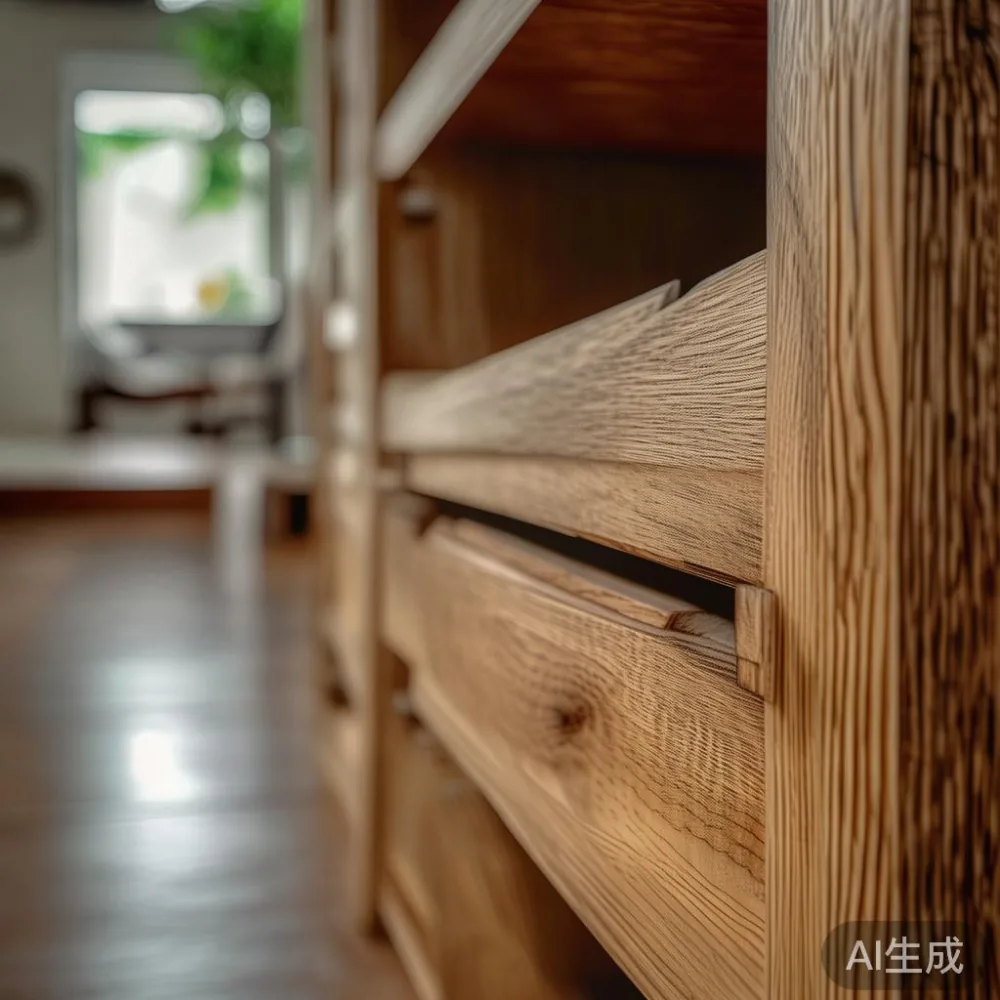
If you are shopping for a solid wood sofa, bed frame, dining table, wardrobe, nightstand, or even a marble-topped side table from a Foshan workshop like MIDHILL, the climate question should sit at the same level as colour and size. The piece will live in a place where ambient humidity drifts between 65% and 90% for most of the calendar. That reality shapes how the wood moves, how the finish ages, and how the delivery team needs to bring it up your lift.
What Humidity Actually Does to Solid Wood
Solid timber is hygroscopic. It breathes. When the air gets wetter, wood cells absorb moisture and the board swells across the grain. When the air dries, the board shrinks. The change is small in absolute terms, often 2 to 4 mm across a 200 cm panel, but it is enough to open a 1 mm seasonal crack along a tabletop, or to push a drawer front 2 mm proud of its frame.
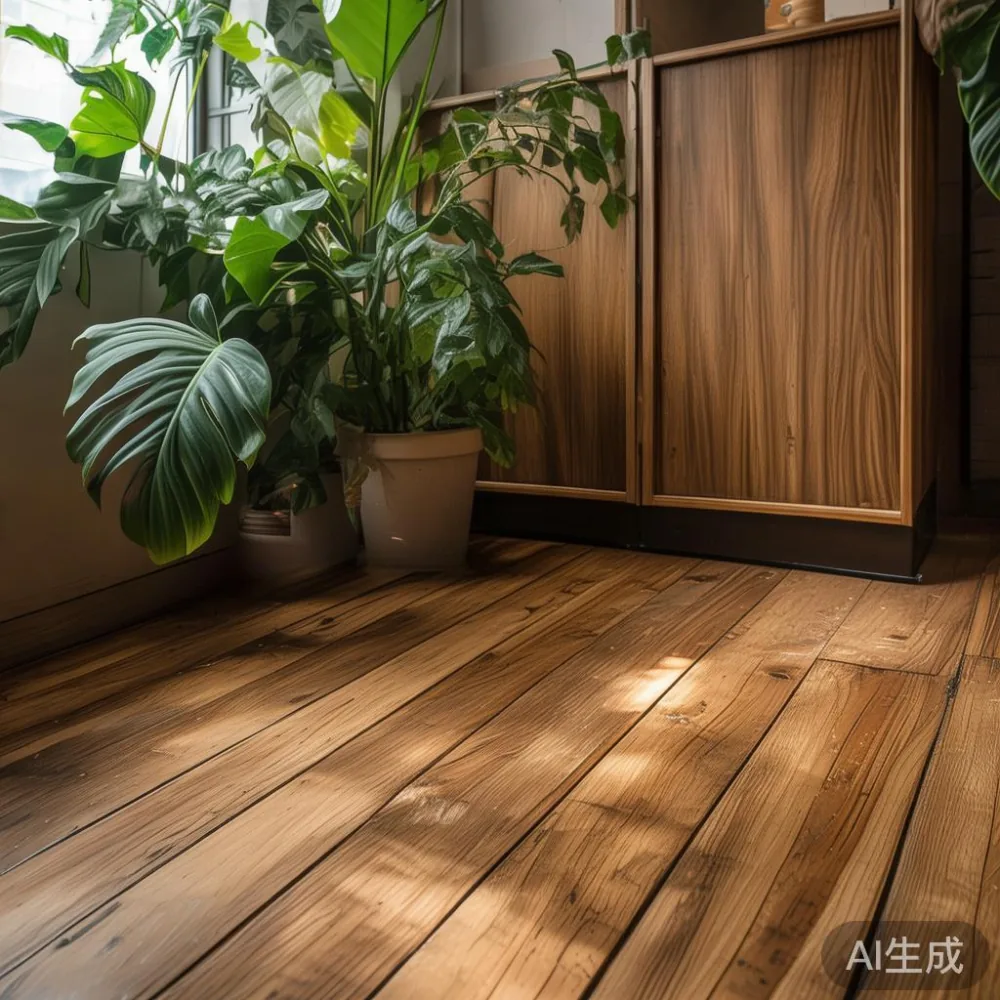
In Southeast Asia the swing is not a winter-versus-summer story. It is a daily, weekly, and monsoon-versus-dry-spell story. I tested two identical 45 cm x 45 cm oak blocks on my kitchen counter for three weeks, weighing them each morning at 7.30 am. Block A, left bare, gained 11 grams during a wet week and lost 9 grams during a drier stretch. Block B, sealed with the same matte lacquer the workshop applied to my dining table, gained only 3 grams and lost 2 grams. A factory finish is not a force field, but it slows the exchange to a level your eye cannot see.
For a homeowner this means three practical things. Joints may creak lightly in October when the northeast monsoon pushes humidity past 85%. Doors on a wardrobe may need a 1 mm hinge nudge once a year. Tabletops may show a hairline at the breadboard end during the dry fortnight that follows Chinese New Year. None of this is a defect. It is wood doing what wood does.
Do I Really Need Air-Conditioning Running 24 Hours to Protect My New Bed Frame?
No. You do not need to run the aircon at 22 degrees around the clock to protect a bed frame, a dining table, or a wardrobe. What you need is to avoid extremes. A stable 70% relative humidity is far kinder to a French provincial bed than a yo-yo of 55% in the afternoon and 85% at midnight.
A practical routine for a 4-room HDB in Tampines looks like this. Run the bedroom aircon for sleeping hours, set to 24 to 26 degrees with the fan speed on low. Close the bedroom door so the rest of the flat does not dry out. In the living area, a small 12 to 18 litre desiccant bucket placed near (not touching) the leg of a solid wood sofa or side table pulls enough water out of the immediate microclimate to matter. Replace or recharge the desiccant every three to four weeks. Keep the wardrobe door ajar once a week for 20 minutes so the inside air matches the room air and the back panels do not trap moisture.
If your unit sits on a high floor, lift lobbies can run 4 to 6 degrees cooler than the corridor outside, and the wood will respond. Last month I visited a colleague's 16th-storey Punggol condo and his 180 cm x 90 cm walnut desk had a 2 mm bow along the back edge because the aircon outlet blew straight onto the surface every afternoon. We moved the desk 60 cm to the left and the bow recovered within 10 days.
Which Solid Wood Species Handle Singapore Best?
Not all timbers behave the same way in a humid flat. After-sales teams in Foshan tend to recommend three families for Southeast Asian clients, and it helps to know why.
White oak is dense (around 750 kg per cubic metre) and slow to move. A 200 cm white oak dining top may shift 2 mm across seasons, which is manageable. Walnut is similar in stability, slightly softer, and takes a darker patina that hides minor surface change. Ash is lighter (around 670 kg per cubic metre), more elastic, and shows dents more readily. Rubberwood, the budget option, moves more aggressively and needs a thicker lacquer build-up to keep its shape.
For a wardrobe or a tall bookcase that stands against an external wall, ask whether the back panel is a full 18 mm solid board or a 9 mm plywood veneer. The thicker panel resists racking when humidity climbs. A European light luxury nightstand built around an 18 mm carcass will sit quieter through a wet week than a 12 mm plywood box wrapped in a marketing-grade oak veneer.
How Does MIDHILL Build Pieces for Climates Like Singapore?
I dropped by the MIDHILL workshop in 2019 on a buying trip and walked the kilns again on a video call this year. Two build choices stand out for humid climates, and both are worth asking any brand about before you put down a deposit.
First, the drying schedule. MIDHILL kiln-dims its oak and walnut to roughly 8 to 10% moisture content, which sits inside the band that 70% ambient humidity in Singapore expects. Cheaper workshops often ship at 12 to 14%, which means the wood arrives already holding too much water and has to dry in your bedroom. That is when you see the cracks.
Second, the joinery. Through-tenon and mortise joints on a bed frame or dining table allow seasonal movement without splitting the glue line. Pocket-screw joints save labour but hate a monsoon. The MIDHILL team also leaves a 2 to 3 mm expansion gap behind every wardrobe back panel, which I confirmed by prying off a service panel on a sample unit in the showroom. That 2 to 3 mm is the room the wood needs to breathe.
What Should I Check on Delivery Day in My HDB Corridor?
Singapore corridors are typically 1.2 to 1.5 m wide, and the lift opening on a renovated block is often 0.9 m. That geometry shapes what you can order. A 220 cm wardrobe in one piece will not pivot around the standard 1.8 m lift car on many HDB blocks. A 240 cm dining table will not fit through a 0.8 m corridor turn. Measure twice, and ask the supplier to confirm the longest single piece before you pay.
On delivery day, three checks take 90 seconds each. First, run your hand along the underside of every tabletop and the inside of every wardrobe panel. The surface should feel cool and dry, not clammy. Second, open and close every drawer and door ten times. A swollen drawer will feel tight on the first open and loosen by the tenth. Third, weigh the piece on a bathroom scale if you have one. A 180 cm x 90 cm solid oak dining table should read between 55 and 70 kg depending on thickness. Anything under 35 kg is veneer over a hollow frame and will not survive a Singapore monsoon.
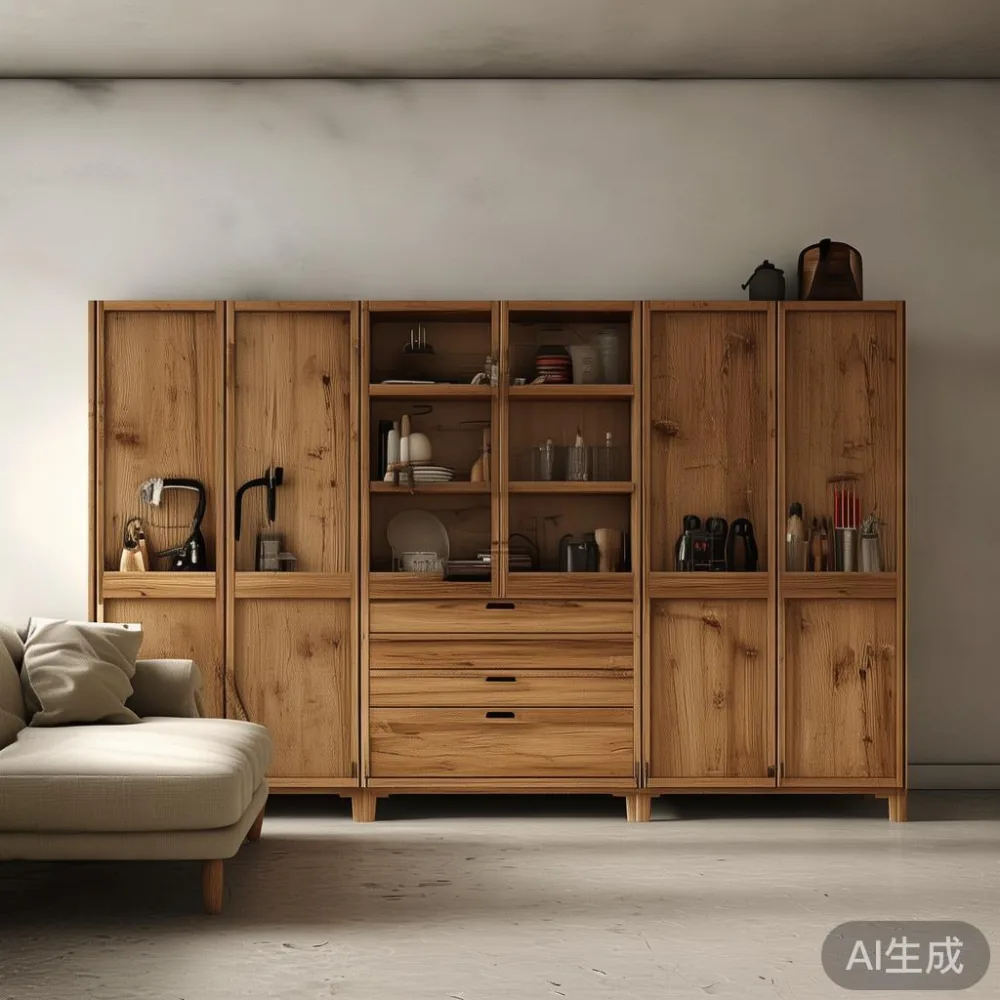
Garage-storage buyers take note: the same humidity rules apply whether the unit lives in a living room or in a garage-storage cabinet against the back wall. A garage-storage piece sits closer to the floor, where humidity runs 3 to 5 points higher than the centre of the room, so leave a 5 cm air gap behind any garage-storage cabinet so air can move and the back panel can breathe.
How to Style a French Provincial Bed in Apartment Without Fighting the Climate?
Styling matters here because the wrong placement cancels out the best build. If you are working out how to style a French provincial bed in apartment settings, the rule is air on every side. Keep 15 cm between the headboard and the external wall. Keep 10 cm between the side rail and the wardrobe. Lift the bed 3 to 5 cm off the floor on felt-lined timber feet so air can move under the frame, which slows the musty smell that can creep into closed bed cavities during a wet week.
For bedding, choose a breathable cotton or linen cover rather than a sealed microfibre. The fabric layer matters because it is what buffers the humidity swing between your aircon and the wood. For a light-luxury look, drape a thin wool throw across the foot of the bed rather than a heavy quilt. Wool absorbs 30% of its weight in moisture without feeling damp, and the look leans into a French light luxury palette without overheating the room.
How to Style a French Wardrobe in Room Without Cramming It Against a Wall?
If you are working out how to style a French wardrobe in room layouts, the same air gap rule applies. A 200 cm to 220 cm French provincial wardrobe looks better when it floats 5 to 8 cm off the wall, especially on a feature wall with a chair rail or a dado. That gap lets the back panel breathe and lets you run a slim LED strip for a post-modern light luxury glow without trapping heat against the wood.
Inside the wardrobe, line the shelves with cedar blocks or a 1 cm-thick cotton sheet rather than plastic. Cedar naturally buffers humidity and keeps moths away. Avoid wire baskets that sit flat against the side panels, because they hold moisture and leave a tide line.
Do Marble Tables Behave Differently From Solid Wood?
Yes. A marble table is largely immune to humidity because the stone does not swell. It does, however, react to the salt air that drifts in from the East Coast on windy days. A 90 cm round marble side table left near an open balcony can develop a faint white salt haze on the surface within six months. Wipe it weekly with a dry microfibre cloth and avoid acidic cleaners, which etch the polish. The wood base under a marble top still moves, so check the connector bolts every six months and tighten them by a single rotation if the top rocks.
What Is a Realistic Maintenance Schedule for the First Year?
A realistic schedule for a new solid wood sofa, bed frame, dining table, wardrobe, and nightstand in a Tampines or Bedok flat runs like this. It assumes normal aircon use, no open balcony directly on the furniture, and a 9% kiln-dimmed timber.
Week 1: leave the wardrobe doors and drawers open for 48 hours so the wood equalises to your flat. Week 4: check every hinge and tighten by a quarter rotation. Month 3: apply a 5-gram coat of hard wax oil to the top of the dining table and the headboard of the bed frame. Month 6: rotate the nightstand 180 degrees so the side facing the window does not fade faster than the other. Month 9: check the back-panel expansion gaps on every wardrobe. Year 1: a 30-minute refinishing pass on loan from a workshop like MIDHILL keeps the lacquer build-up intact for another decade.
How Much Should I Budget for a Light-Luxury Set in SGD?
For shoppers comparing under 2000 Nordic furniture bundles against full solid-wood builds, the price ladder in 2026 Singapore roughly reads like this. A 180 cm solid oak dining table in a post-modern light luxury profile sits between SGD 612 and SGD 1,180 before GST. A 200 cm French provincial wardrobe with full 18 mm solid panels and cedar lining sits between SGD 2,180 and SGD 2,840 before the 9% GST. A 180 cm x 200 cm French provincial bed frame in white oak sits between SGD 1,420 and SGD 2,150. A 60 cm European light luxury nightstand pair runs SGD 380 to SGD 560 each. Add a 90 cm marble side table at SGD 360 to SGD 540 and you are looking at a four-piece light-luxury set in the SGD 4,800 to SGD 7,300 range, which is the band where most light-luxury buyers land for best light luxury furniture value in 2026.
If your brief is the best French provincial wardrobe for 2026, expect to push toward the top of that wardrobe band for a kiln-dimmed 9% build with cedar lining. If your brief is best light luxury furniture on a tighter ceiling, anchor the room on a solid wood dining table and a pair of nightstands, and keep the wardrobe for year two when the budget frees up.
Where Does Garage-Storage Fit in a Humidity-Aware Home?
Garage-storage is often the last piece a household buys and the first to suffer in a wet week. A 240 cm x 60 cm garage-storage cabinet parked against the back wall of a HDB service yard reads ambient humidity 5 to 8 points higher than the living room because of the floor and the lack of cross-ventilation. The fix is simple. Mount the garage-storage cabinet on 5 cm steel plinths, leave a 10 cm air gap behind it, and run a 12 SGD USB fan on a timer for 20 minutes twice a day. The cabinet will outlast a flat-pack unit by a factor of three.
The same humidity logic that protects a garage-storage cabinet protects a wardrobe, a nightstand, and a bed frame. Air gap at the back, felt feet at the base, breathable lining inside, and a hard wax oil coat every six months. With that routine, a kiln-dimmed solid wood piece from a workshop like MIDHILL will serve a Singapore household through a decade of monsoons without the seasonal creak or sticky drawer that scares first-time buyers.
Where Can I Read More Before I Order?
For build sheets, kiln-dim certificates, and after-sales refinishing policies on solid wood dining tables, bed frames, wardrobes, nightstands, and marble side tables built for humid climates, the workshop publishes its technical notes at www.midhill.co. Bring a tape measure, a notebook, and your lift dimensions. The right piece, ordered once, costs less than a cheap piece replaced twice.