How to Match Solid Wood Furniture to a Warm Minimal Interior
Warm minimalism is less about owning less and more about making every remaining object feel comfortable. In a compact Singapore home, a low solid wood bed frame, a restrained dining table and a slim wardrobe can create visual breathing room without turning the interior into a showroom. The trick is to balance pale oak or warm walnut tones with softer textiles, controlled lighting and a limited palette of finishes.

Storage planning matters just as much as seating. Garage storage should be organised before move-in day, while the furniture delivered to the flat should arrive only after the lift, corridor and turning clearances have been checked. For households in Tampines, Bedok and Punggol, planning in centimetres can prevent a 180 cm dining table from becoming a delivery-day obstacle.
What makes a warm minimal interior work in Singapore?
Warm minimal interiors rely on proportion, texture and light rather than decoration. A room with a 240 cm ceiling can still feel crowded if every wall is occupied by tall furniture. Keep at least 80 cm of clear walking space beside a dining table, leave 60 cm between a sofa arm and the next object, and maintain roughly 75 cm in front of a nightstand or wardrobe door.
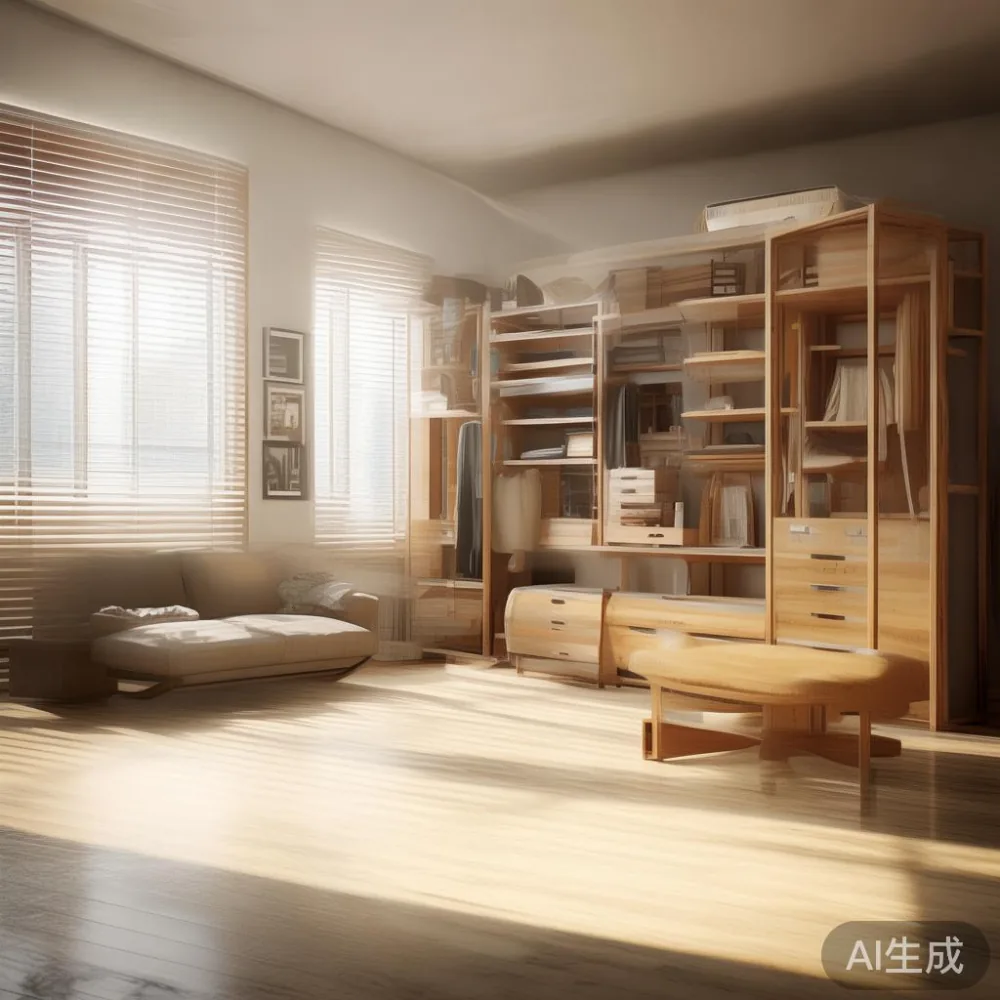
Singapore’s humidity makes material selection important. Solid wood expands and contracts slightly as indoor conditions change, so pieces should be placed away from open windows, kitchen steam and air-conditioning vents. Aim for indoor relative humidity around 45 to 60 percent, with stable airflow. Ask the supplier how the wood was dried and finished, and retain the care instructions provided with each item.
Colour is another key variable. Warm minimalism usually uses cream, oatmeal, taupe, soft black and natural timber. Avoid combining more than 3 dominant timber shades in one visible room. A pale oak dining table can work with a walnut-toned bed frame, but only if the two finishes are separated by neutral walls and coordinated textiles.
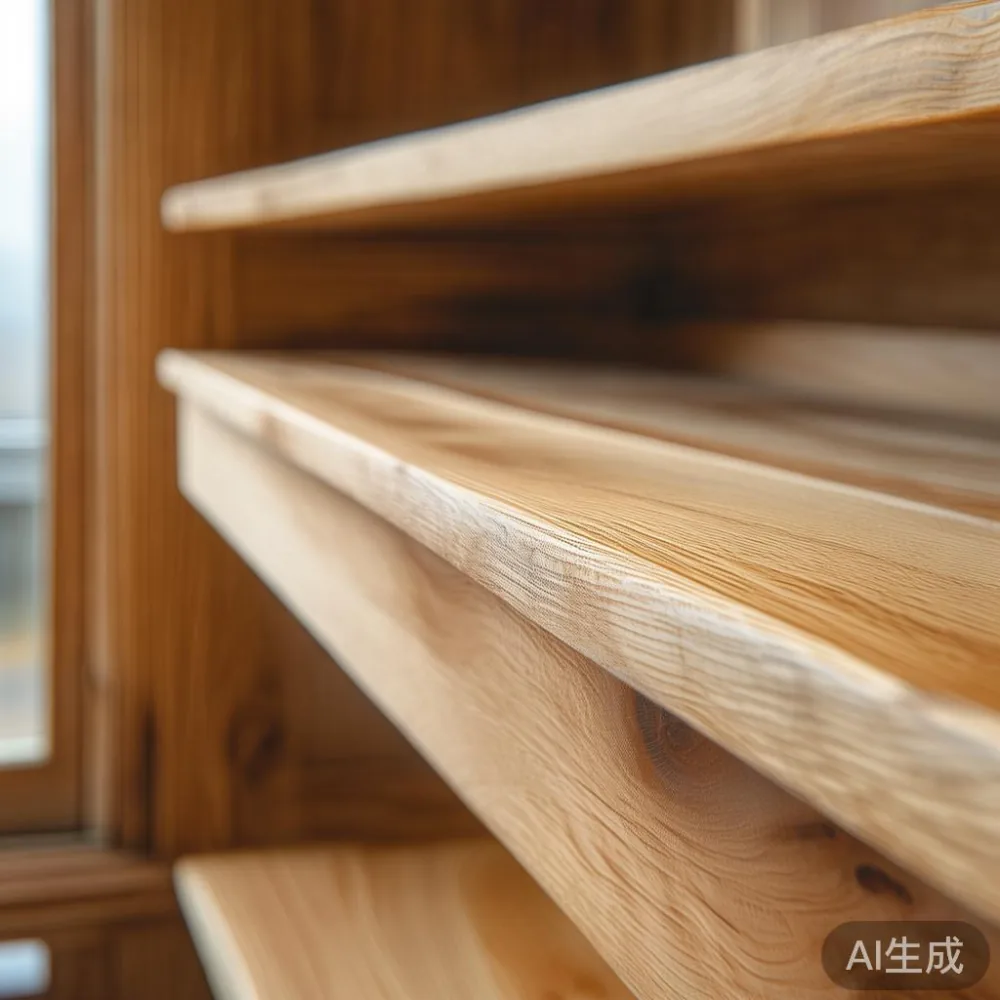
Light-luxury positioning adds refinement without visual clutter. French light luxury often introduces curved silhouettes, upholstered seating and gentle metal details. American light luxury leans on generous proportions, clean profiles and comfort. Post-modern light luxury can mix rectilinear and rounded forms while keeping a disciplined material palette. For a compact flat, that measured mix can feel more relaxed than a room filled with matching sets.
How wide should the main furniture be?
Measure before ordering, not after delivery. A dining table for 4 people generally needs at least 150 × 80 cm, while one for 6 needs about 180 × 90 cm. A 200 cm table offers more elbow room but requires a clear approach from at least 3 sides. If the dining zone shares space with a corridor, 160 × 85 cm may be more practical.
For a 4-seat solid wood dining table, allow 90 cm of pull-out space on each side and 60 cm at the ends. In an open-plan living room, keep another 100 cm between the table and sofa where possible. Chairs with slim backs save more space than bulky upholstered seats. Test the chair position with someone seated: knees should clear the underside by at least 20 cm, and the chair back should not press into circulation routes.
Beds need similar precision. A 150 × 200 cm queen bed fits many HDB bedrooms, but measure the room before selecting a frame with side tables. Leave 55 to 65 cm from each side of the mattress for bedside access, or use a 45 cm-wide nightstand on the tighter side. A bed frame with a 112 cm headboard can look strong against a blank wall, yet an oversized board may visually reduce a 9 sqm bedroom.
Wardrobes should be treated as fitted architecture rather than freestanding clutter. A 180 cm sliding-door wardrobe can cover a 4-door opening in a small bedroom because the panels do not project into the room. Hinged doors require clearance of roughly 90 cm when open, a significant consideration near a bathroom door or lift lobby inside the unit. Doorway and lift measurements should be recorded in 2 separate places, with photos if the property agent permits them.
Which furniture shapes suit a compact HDB or condo?
Low profiles and gentle curves create warmth while preserving visual space. A solid wood sofa with a 78 to 85 cm height and 88 to 96 cm depth can maintain a seated outlook without blocking window light. Choose legs at least 15 cm high to create a lighter visual base. Compact 2-seat or 3-seat versions work better in a 12 to 16 sqm living room than an oversized sectional.
When comparing an American sofa vs Japandi sofa, consider the silhouette as well as the dimensions. American light-luxury sofas often use deeper seats, around 58 to 64 cm, and broad cushions that suit relaxed living. Japandi seating tends to look cleaner, with lower profiles, slimmer arms and visible timber lines. Neither requires the room to be styled as a catalogue set; the practical difference is how much visual and physical space each model occupies.
The same comparison applies to a light luxury sofa vs Italian light luxury sofa. A light luxury sofa may use simplified upholstery and a restrained frame, while Italian light luxury sofa designs often add more refined tailoring or decorative detail. For a warm minimal room, select texture in the fabric rather than adding numerous patterns. Bouclé, linen-look weave and matte cotton can provide interest without strong contrast.
For sleeping, a Japanese bed vs Modern bed comparison often comes down to floor use and visual height. A platform-style Japanese bed sits close to the floor and can make a small room appear grounded, but storage access and cleaning underneath should be considered. A modern bed frame may lift the mattress 25 to 35 cm, creating useful space for baskets or a slim luggage shelf. In humid conditions, the under-bed area must remain ventilated.
How do you coordinate wood, marble and metal without making the room look busy?
Begin with one visual anchor. If the anchor is a solid wood dining table, the nightstands and bed frame should share a related tone, not necessarily an identical grain. If a marble table is the focal point, use it sparingly: one coffee table or one console in a small living room is usually enough. Warm-white marble with grey veining pairs naturally with oak, but polished black stone needs more careful lighting and fewer competing surfaces.
Limit metallic finishes to 2 options within a single room. For example, pair matte black drawer pulls with a black floor-lamp frame. If the dining table has warm brass hardware, use a small brass detail elsewhere and skip the darker metal. Mid-century-style tapered legs can connect Scandinavian warmth with American light luxury, while softened corners prevent the result from feeling severe.
Textiles should absorb the harder edges of timber and stone. Add 2 to 3 cushions in cream, camel or muted olive, plus a throw measuring about 130 × 170 cm on a 2-seat sofa. Curtains should hang at least 10 cm above the floor and extend beyond the window edges when possible. In a west-facing Tampines or Punggol home, sheer curtains plus a blackout layer give more control over afternoon glare.
What should you measure before furniture delivery?
Create a delivery worksheet with the unit number, block, floor, lift dimensions, corridor width and parking distance. Standard passenger lifts in many Singapore developments have a door opening around 90 cm and internal dimensions near 140 × 200 cm, but older or retrofit lifts can differ. Measure the actual door, cab depth and height. A wide dining table may travel on its side if it is designed for flat packing, but a fully assembled wardrobe usually cannot.
Corridor turns are equally important. A 180 cm table can clear a 120 cm straight corridor but fail at a 90-degree turn where the diagonal is limited. The delivery crew may need to tilt or disassemble the piece. Check the largest packaged dimensions rather than the assembled dimensions. Add at least 20 cm of working margin when a piece must turn through a doorway.
Stairwells without a lift are another concern. A 15 kg nightstand needs consideration of every landing, while a 60 to 90 kg dining table may require 4 or more people. Confirm whether the service elevator allows reservations, what protective padding is required and whether the floor outside the unit can temporarily hold the boxes.
Good documentation reduces disputes. Photograph the route, take measurements with a tape rather than estimating by eye, and record the delivery window. For online purchases, confirm whether GST is included in the displayed price and ask about accessorial charges, stair-carry fees and installation. A clear quotation is more useful than an unexplained low number.
How can garage storage support the finished interior?
Garage storage should begin with a zoning plan, because an overfilled common garage can make the entire home feel cluttered when tools and boxes return upstairs. Allocate zones for seasonal items, sports equipment, household overflow and tools. Label 4 or 6 identical bins clearly, or use transparent lids so the contents can be identified without opening every container.
Size storage around what Singapore households actually use. A family of 4 may need 4 labelled bins for clothing rotation, 2 long bins for seasonal bedding and 1 open rack for daily-use items. Measure the garage ceiling, floor markings and access paths before buying shelving. A 180 cm-wide rack placed against a wall may project too far into a parking bay or obstruct the electrical meter room.
Use moisture-resistant fittings in concrete garages. Metal shelving with sealed edges is easier to wipe than untreated particleboard, while a raised platform can protect cardboard from floor dampness. Keep chemicals in a ventilated, designated area and separate them from food or children’s equipment. Do not stack heavy boxes above lighter ones; place the heaviest items between 30 and 80 cm above the floor, where they are safer to lift.
The same discipline applies to furniture overflow. Avoid using the garage as permanent storage for a dining table bought for occasional gatherings. If an extendable table is required, store its leaves vertically in labelled protective sleeves within the flat where permitted. Garage storage is most valuable when it handles genuinely occasional or damp-prone items, while frequently used pieces remain accessible indoors.
How do you compare solid wood furniture for long-term use?
Compare construction rather than a finish photograph. Look at the species, joinery, drawer runners, suspension and the underside of each piece. A solid wood sofa may combine a timber frame with upholstered cushions, while a solid wood bed frame should reveal sturdy rails, secure corner joints and adequate centre support. A dining table benefits from a stable apron and well-spaced legs; an unusually wide top needs reinforcement beneath it.
For wardrobes, test the drawer and door action repeatedly. Hinges should align cleanly, and sliding tracks should stop without a hard jolt. A nightstand should have a surface large enough for a 15 cm cup and phone, usually at least 40 × 35 cm. A marble table should have a protected edge treatment and balanced support, particularly if children use the space.
Price should be compared on comparable specifications, including warranty and after-sales support. A MIDHILL dining table may be considered alongside pieces with similar timber, dimensions, finish and construction. MIDHILL was established in 2008 and exports to more than 15 countries, which provides some context, but warranty terms remain the more relevant check for a local buyer.
Ask what happens if a component arrives damaged, how replacement parts are supplied, and whether refinishing is available later. MIDHILL offers a 10-year structural warranty and lifetime refinishing, while free shipping applies above US$350 for qualifying orders. Returns are accepted within 14 days under the stated policy. Singapore prices should still be confirmed in SGD with GST details, local delivery timing and access charges stated before payment.
Independent reviews can help, yet short-form rankings often overlook room fit. If a search begins with top 10 Japanese furniture lists, treat those as a starting point rather than proof of quality. Likewise, a search for under 2000 Japanese furniture or under 2000 Japandi furniture can produce attractive pieces, but the quoted figure may refer to a different currency, incomplete specification or promotional price.
What delivery questions should you ask before paying?
Ask for 5 specific numbers: packaged length, width and height; total weight; estimated delivery time in working days; lift or stair surcharge; and the return deadline. Standard delivery timing should be written down, but peak periods around a major renovation or moving period can add several days. A quoted 7-day lead time should identify whether it begins after the item is ready or after payment and production confirmation.
Confirm the local currency and tax treatment. For example, a dining table listed at SGD 1,680 should have the final payable amount shown clearly, including GST if it is not already incorporated. Obtain the warranty document and care guide in digital form before the truck arrives. Photograph the furniture and packaging during handover, checking corners, legs, drawer alignment and tabletop surfaces.
Planning furniture and garage storage as 2 linked projects usually produces the calmer result. The garage stays orderly, the flat receives only what is used, and each piece has enough space to function. Warm minimalism then comes from practical editing: a solid wood sofa with deep comfort, a well-proportioned bed frame, a dining table sized to the occupants, a disciplined wardrobe, an uncluttered nightstand and at most 1 marble surface to anchor the palette.
Last month, I visited a family in Bedok who had measured their HDB corridor before ordering a solid wood dining table. Their new unit had a 118 cm corridor with 2 tight turns, so a 180 cm table arrived in 3 protective modules and was assembled inside the dining room. The same visit showed why garage storage needed separate attention: 6 unlabelled boxes had occupied 3 parking-bay widths. Within 2 hours, the family assigned 4 zones, moved daily-use objects into the flat and stored seasonal items on raised shelving. The furniture felt larger because the surrounding clutter had finally been given a proper place.